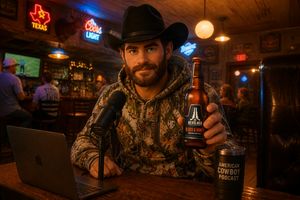
WE KNOW WHO THE Dallas Cowboys Will Draft in the First Round
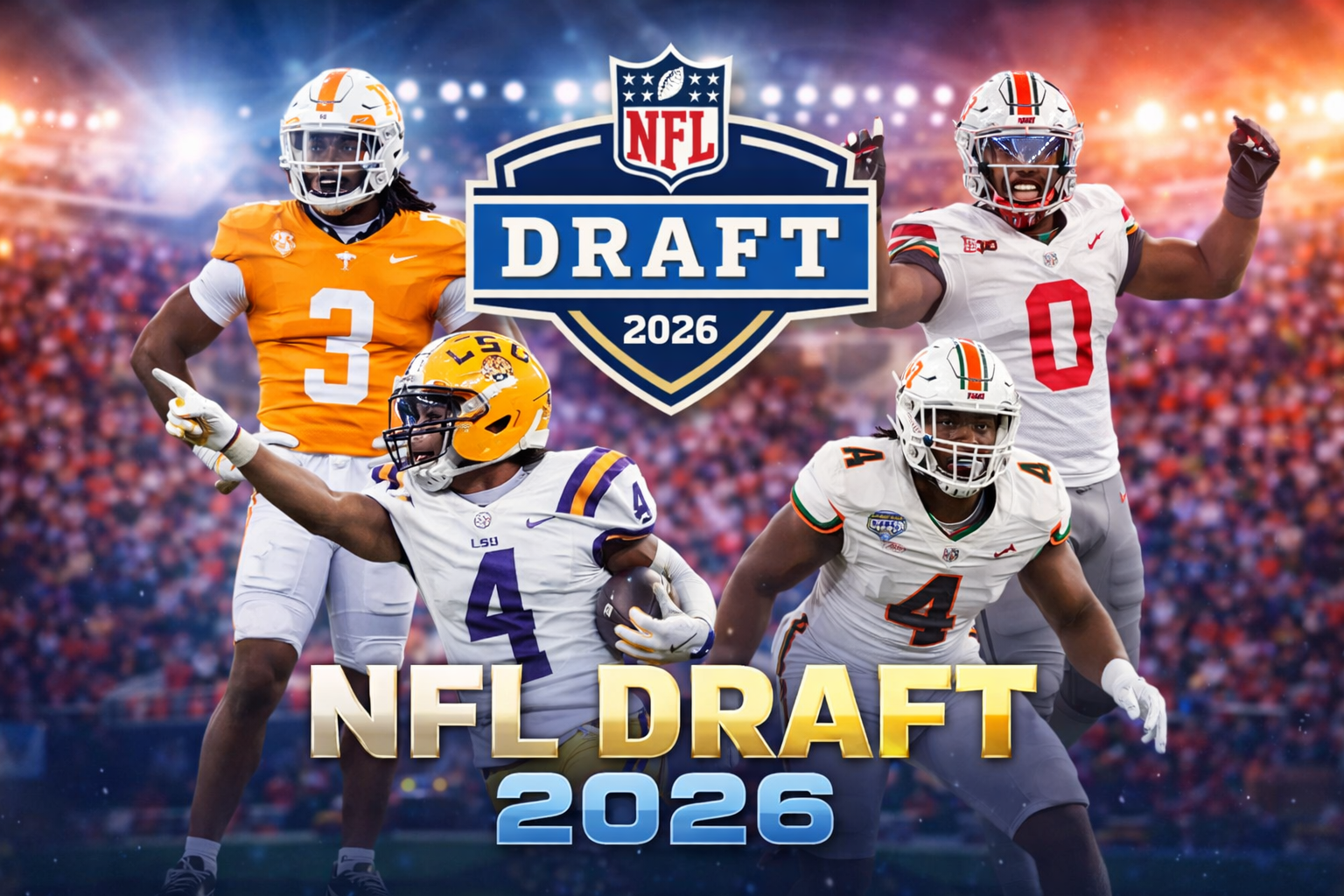
By Ryder Knox, Sound Off News
The clock is ticking toward April 23rd in Pittsburgh, and for the Dallas Cowboys, this isn’t just another draft—it’s a defining moment.
Two first-round picks.
A roster in transition.
A fanbase that doesn’t want “good”…they want contending again.
And right now, inside draft rooms, on analyst boards, and across the league’s most trusted voices—from Mel Kiper Jr. to Daniel Jeremiah—one reality is becoming clear:
Dallas isn’t guessing this year. They’re targeting something very specific.
This article breaks it all down—the strategy, the names, the probabilities, and ultimately:
Who the Cowboys are most likely to draft in Round 1—and why.
The Situation: Why This Draft Matters More Than Most
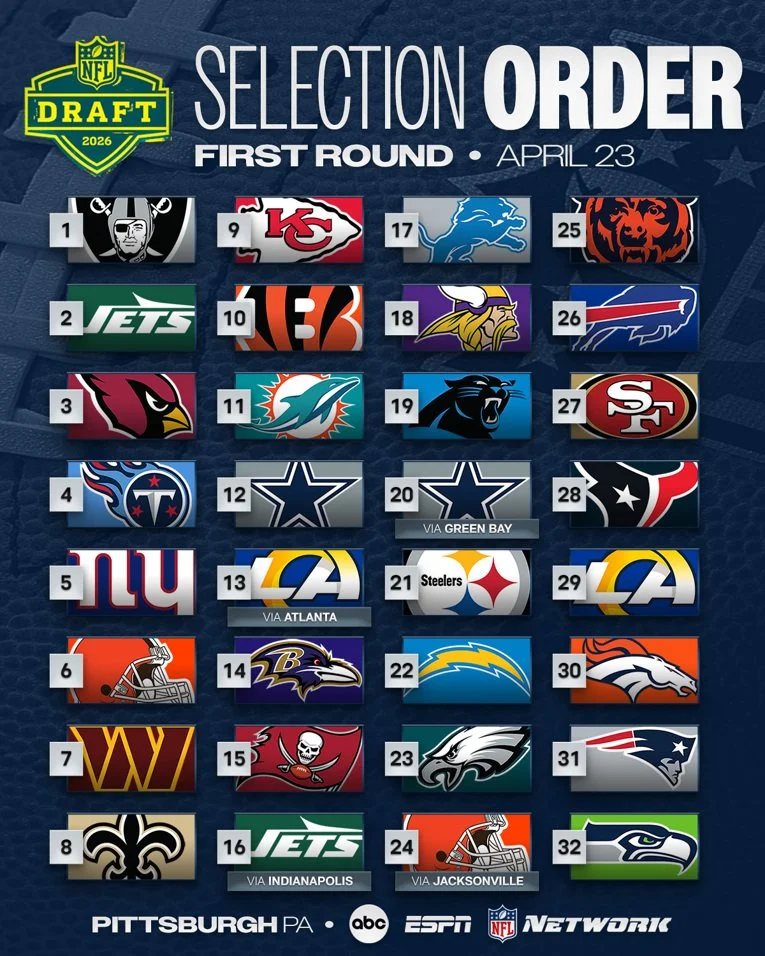
The Cowboys hold two first-round picks: No. 12 and No. 20 overall.
That alone changes everything.
This isn’t a team hoping for value. This is a team with control.
But there’s a catch—and it’s one that insiders like Jon Machota and Todd Archer have consistently emphasized:
After pick 20…Dallas doesn’t pick again until No. 92.
That gap is massive.
Which means every decision in Round 1 isn’t just about talent—it’s about roster construction, depth, and long-term identity.
What the League is Saying (April 1–5 Consensus)
Across the most recent mock drafts and insider reports (April 1–5 only), there is overwhelming agreement on one thing:
The Cowboys are going defense.
Not maybe. Not possibly.
Almost certainly.
Here’s how the top analysts break it down:
ESPN (Kiper, Miller, Reid, Yates)
Projects EDGE rushers at both picks
Emphasis: “Dominant pass rush unlocks everything”
NFL Network (Jeremiah, Zierlein, Edholm, Reuter)
Mix of:
Cornerback
Linebacker
EDGE
Strong push for versatility and secondary help
The Athletic / Cowboys insiders
Reinforce:
Secondary is a need
Linebacker depth is thin
Pass rush still drives elite defenses
And when you layer it all together, the message becomes simple:
Dallas is building its identity on defense first.
The Blueprint: What Dallas Better Get Right
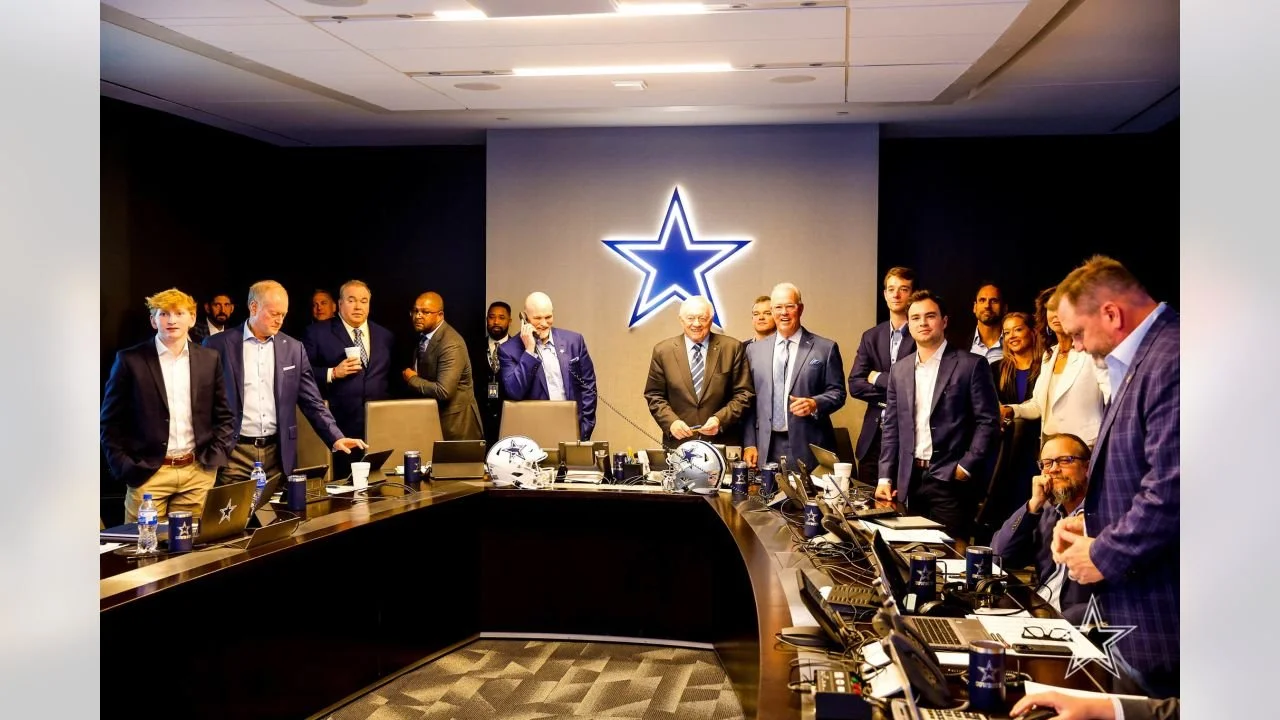
Let’s stop pretending this is complicated.
This isn’t one of those “get cute and outsmart everybody” situations. You don’t need a whiteboard, a flow chart, and three guys in the room saying, “Well technically…” No. Just… pick the right player.
This isn’t about winning the draft room press conference either. Nobody’s handing out trophies for “Best Explanation After the Pick.” Fans don’t hang banners that say, “We almost made a really smart decision.”
And it’s definitely not about chasing the next flashy name so somebody can sell a few extra jerseys. We’ve done that before. We’ve got closets full of those decisions.
This is about fixing what has kept the Dallas Cowboys exactly where they’ve been—good enough to talk about in December, and quiet by mid-January.
Because right now, the gap between Dallas and the teams that actually win when it matters… it’s not talent. They’ve had talent. Every year we hear, “This might be the most talented roster…” and every year we’re watching somebody else still playing.
It’s identity.
It’s knowing exactly who you are, what travels in the playoffs, and building around that instead of hoping it figures itself out.
And if they miss this—if they overthink it, or try to get fancy—we’re all gonna be right back here next April, having the same conversation.
And honestly… with Jerry still running things, we might as well go ahead and pencil that in now.
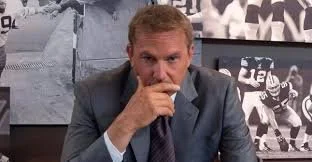
1. Linebacker — Stop Ignoring the Middle of Your Defense
Here’s the truth Dallas needs to face:
For years, the Cowboys have tried to get by at linebacker instead of dominating it.
And in today’s NFL, that approach gets exposed.
You don’t win playoff games with linebackers who:
Need protection
Come off the field on third down
Struggle in space
You win with players who erase mistakes.
A true linebacker in today’s game isn’t just a tackler. He is:
Your coverage safety valve
Your run-stopping anchor
Your blitz trigger……..think Fred Warner.
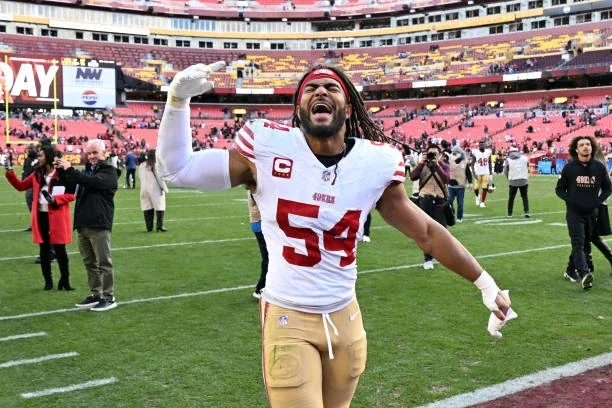
If Dallas does not walk out of Round 1 with a true three-down linebacker, then they are not building forward—they are patching problems.
2. Edge Rusher — If the Cowboys Think They Have Enough, They Don’t
This is where championship teams separate themselves from everyone else.
Average teams convince themselves they have enough pass rush.
Championship teams ask how they can make quarterbacks uncomfortable for four quarters.
The Cowboys have to decide which one they want to be.
Because pressure is not just a stat—it is a multiplier.
It:
Speeds up elite quarterbacks
Forces bad decisions
Covers up weaknesses in the secondary
And when the games matter most, when everything tightens in the playoffs, pressure still shows up.
If the Cowboys think they have enough at edge rusher, they are thinking like a good team, not a great one.
Adding one pass rusher is not excessive. Doubling down is not reckless.
It is intentional team building.
3. Defensive Back — Adapt or Get Exposed
This is where the league has already evolved, and teams that fail to adjust get exposed quickly.
The traditional labels do not carry the same weight anymore.
It is no longer just:
Corner
Safety
The real question is whether a defensive back can function in space.
Because modern offenses are designed to isolate weaknesses.
If a defensive back:
Cannot cover inside
Cannot tackle in space
Cannot adjust pre-snap
He becomes a target.
The most effective defenses are not built on position labels. They are built on versatility.
They need players who can:
Cover the slot
Rotate into deep coverage
Step into the run game without hesitation
This draft class offers those types of players in abundance.
If the Cowboys fail to take advantage of that, it will not be because the opportunity was not there.
The Bottom Line
This draft will reveal what the Cowboys truly believe about winning.
Not what is said publicly. Not what is marketed.
What they actually prioritize.
If they:
Reinforce the middle of their defense
Continue to invest in pass rush
Add versatility in the secondary
Then they are building a roster capable of competing at the highest level.
If not, then it is another year of hoping the current formula holds.
And that approach has already shown its ceiling.
The Top Targets at Pick No. 12
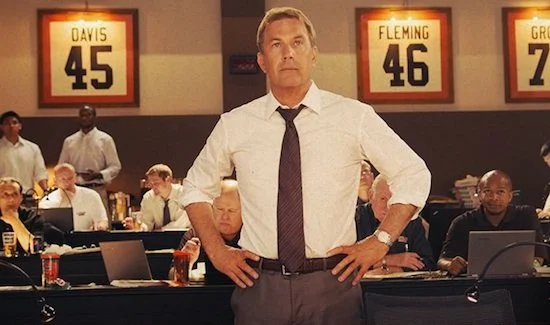
Inside the COWBOYS’ War Room — What They’re Really Thinking
This is where the draft actually begins for the Dallas Cowboys.
Not at No. 1. Not in the top five.
At 12.
Because this is the spot where front offices stop drafting on hype and start drafting on conviction.
And if you talk to people around the league—scouts, analysts, and those closest to the building—the same theme keeps surfacing:
Dallas is not walking into this pick guessing.
They’ve already built their board.
They’ve already tiered their players.
And there are four names that keep coming up in those conversations.
Not randomly. Not loosely.
Repeatedly.
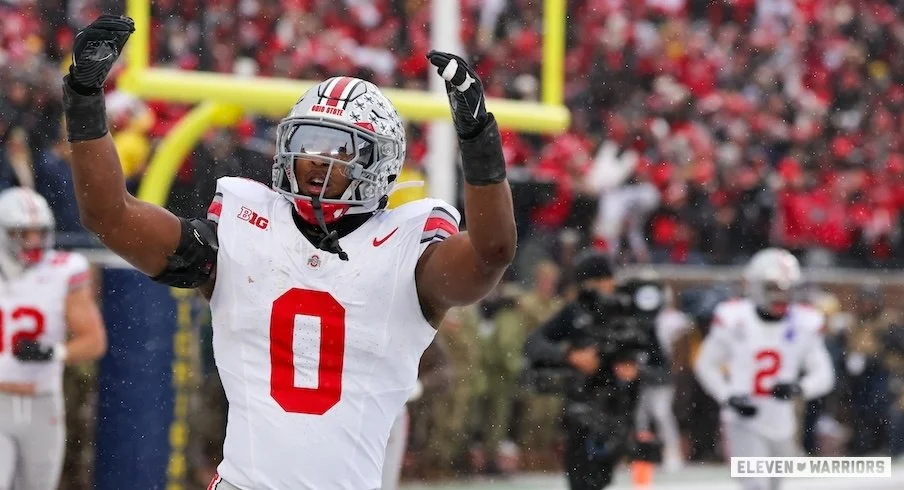
Sonny Styles (LB, Ohio State)
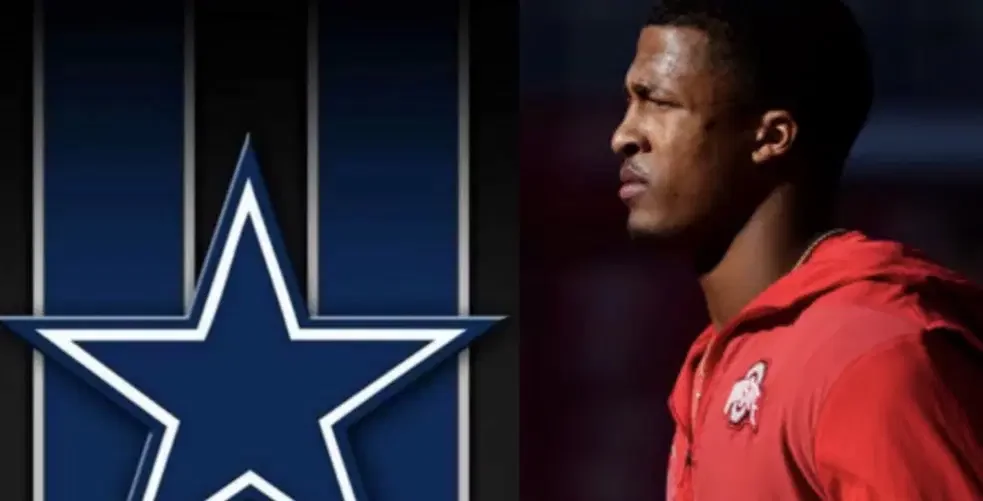
The “If He’s There, Don’t Overthink It” Prospect
There is a reason his name keeps coming up first.
Styles isn’t just a fit—he’s the type of player that changes how a defense functions.
He brings:
Elite sideline-to-sideline range
Physical presence downhill against the run
The ability to cover, blitz, and stay on the field all three downs
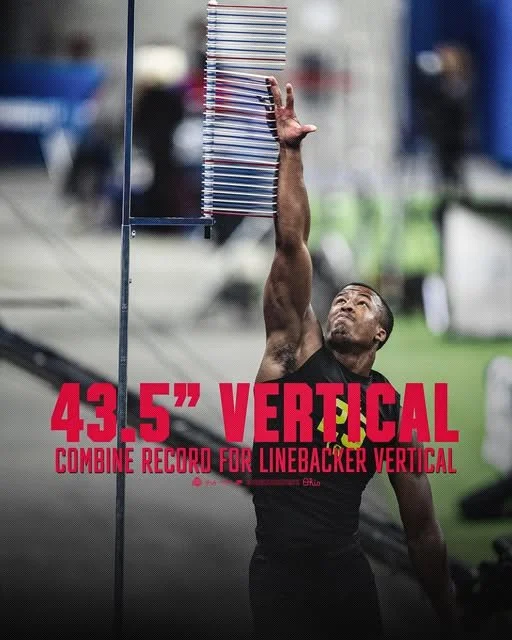
This is not a role player. This is a centerpiece.
Behind the scenes, the language tied to Sonny Styles has been consistent across evaluators:
“Too good to pass up if he falls.”
And that’s the key word—if.
Because most boards don’t expect him to be sitting there at 12. But if he is, Dallas doesn’t need to get creative. They don’t need to chase value.
They need to turn the card in.
Styles is the type of defender you build structure around, not plug into it. He gives you answers to modern offensive problems—tight ends who move like receivers, backs who flex out, quarterbacks who extend plays. He’s a matchup eraser in a league built on creating mismatches.
At his size, with his range, he blurs the line between linebacker and safety. That’s not just versatility for the sake of it—that’s defensive freedom. You can keep your base personnel on the field and still match spread looks. You can disguise coverages, rotate late, spin him down into the box, or carry him vertically with bigger bodies. He lets you stay multiple without substituting.
And what stands out is how natural it looks. He doesn’t feel like a tweener—he feels like a solution.
Against the run, he’s physical and decisive. He triggers downhill, takes proper angles, and finishes. In coverage, he’s comfortable in space. He doesn’t panic, doesn’t get lost in traffic, and understands leverage. You’re not hiding him—you’re featuring him.
There’s also a presence factor with Styles that shows up on tape. He plays fast, communicates, and carries himself like the quarterback of the defense. That matters more than people want to admit. You’re not just drafting traits—you’re drafting command.
For Dallas, this isn’t about filling a hole. It’s about adding a player who elevates everything around him. Someone who allows you to disguise more, rotate more, and play faster as a unit.
Because when you have a piece like this, your defense becomes less predictable—and a lot more dangerous.
So if he’s there at 12, the conversation should be short.
This isn’t a debate. It’s a decision already made.
Turn the card in.
Probability at No. 12: 20–30%
Rueben Bain Jr. (EDGE, Miami)
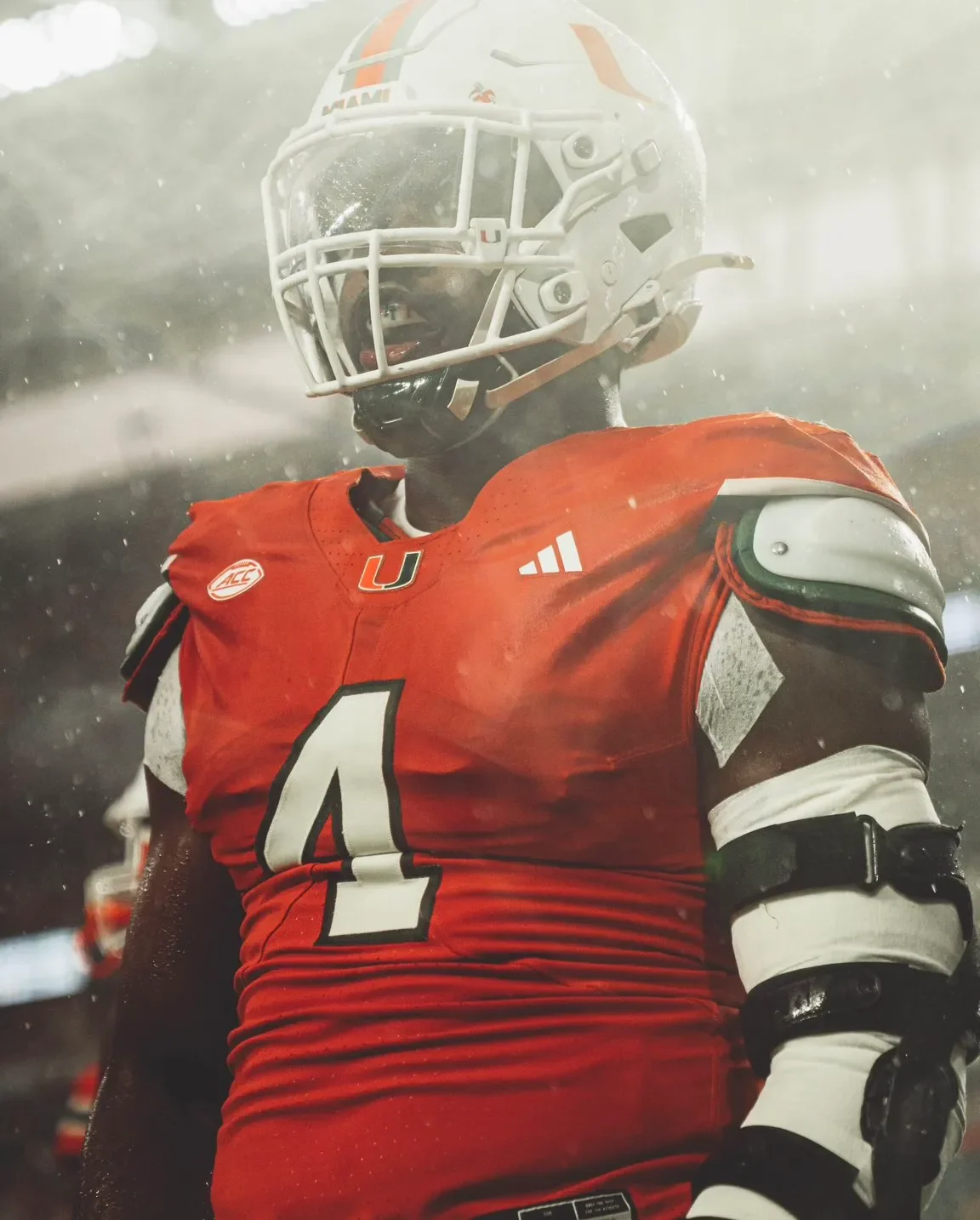
The Identity Pick
If Styles is the cleanest value, Bain is the clearest message.
Drafting Bain tells the league exactly what Dallas believes:
That pressure still dictates everything.
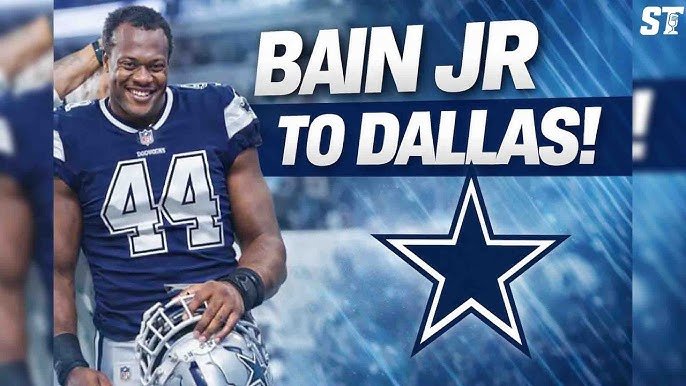
Bain brings:
Power at the point of attack
Proven production
A motor that doesn’t fade late in games
This is the type of selection that doesn’t just fill a need—it defines a philosophy.
And there’s real traction behind this possibility. ESPN projections have already tied him directly to Dallas, and internally, the logic is simple:
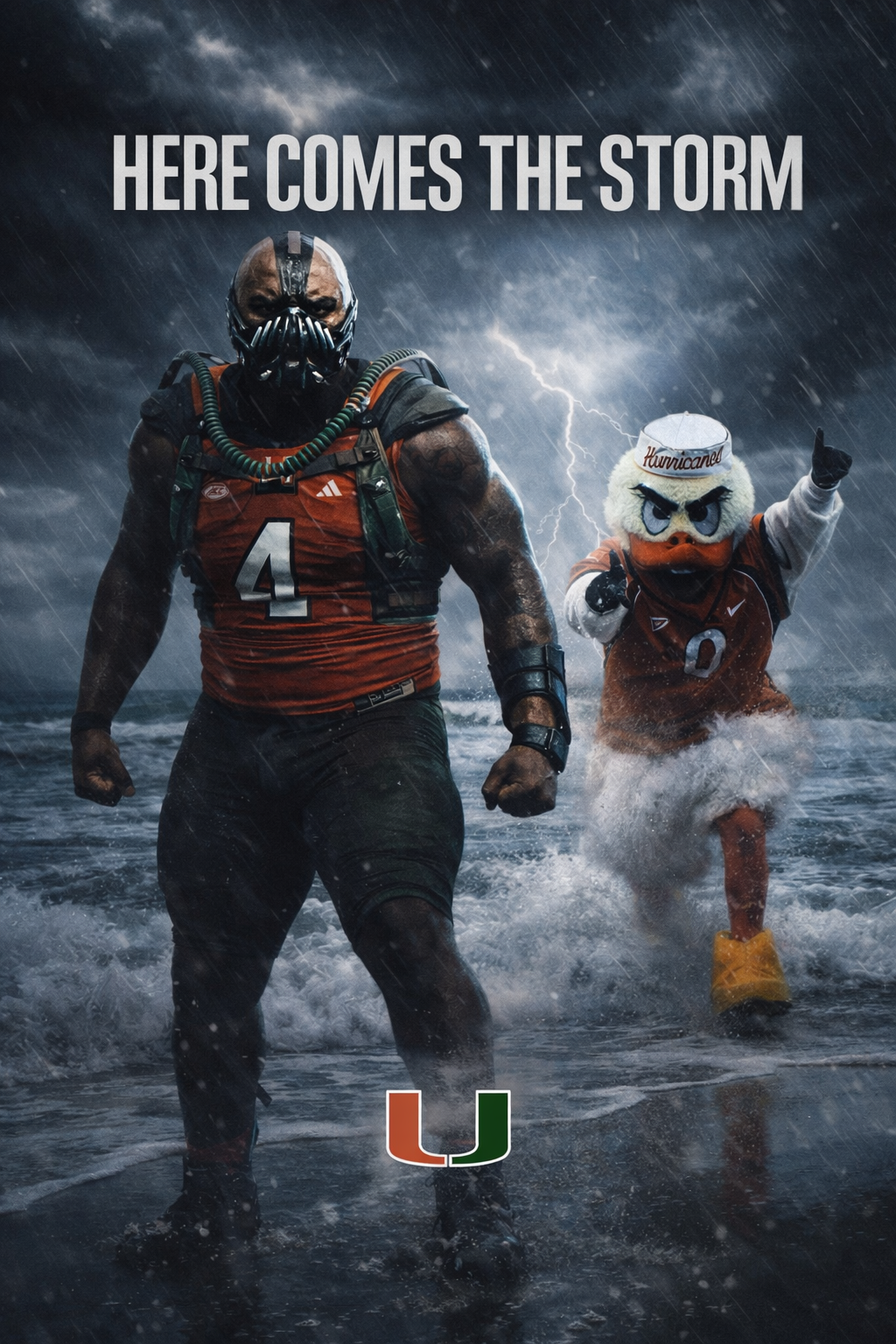
If you can affect the quarterback consistently, you don’t have to be perfect everywhere else.
That’s how elite defenses are built—and that’s exactly where Ruben Bain enters the conversation.
Bain isn’t just a pass rusher you sprinkle into a rotation. He’s the type of player who changes how offenses operate snap to snap. Protection slides start leaning his direction. Tight ends stay in longer. Running backs get pulled into chip responsibilities. All of that has a ripple effect across the entire defense.
Because when one guy demands that much attention, everybody else eats.
What stands out with Bain is how he wins. It’s not just effort—it’s controlled violence. He plays with leverage, strong hands, and an understanding of how to collapse the pocket, not just run around it. He doesn’t get washed out of plays. He compresses space. Quarterbacks feel him even on snaps where he doesn’t get home.
And that matters more than people realize.
A sack shows up in the stat sheet. Pressure shows up in wins.
Bain creates that steady disruption that forces quarterbacks off their spot, speeds up reads, and leads to mistakes. That’s how turnovers happen. That’s how games flip.
He also gives you flexibility up front. You can line him up wide, reduce him inside on passing downs, stunt him, move him around. He’s not just a one-speed edge guy—you can build packages around him.
And when you have that, it takes pressure off your secondary. Corners don’t have to cover for four or five seconds. Safeties aren’t asked to be perfect over the top every snap. The whole structure of your defense tightens up because the ball has to come out quicker.
That’s the value.
With Bain, you’re not drafting a finished product—you’re drafting a tone-setter. A foundational piece who raises the ceiling of your front and simplifies life behind it.
Because at the end of the day, if you can consistently disrupt the quarterback…you dictate the game.
And Bain gives you that kind of presence.
Probability at No. 12: 15–25%
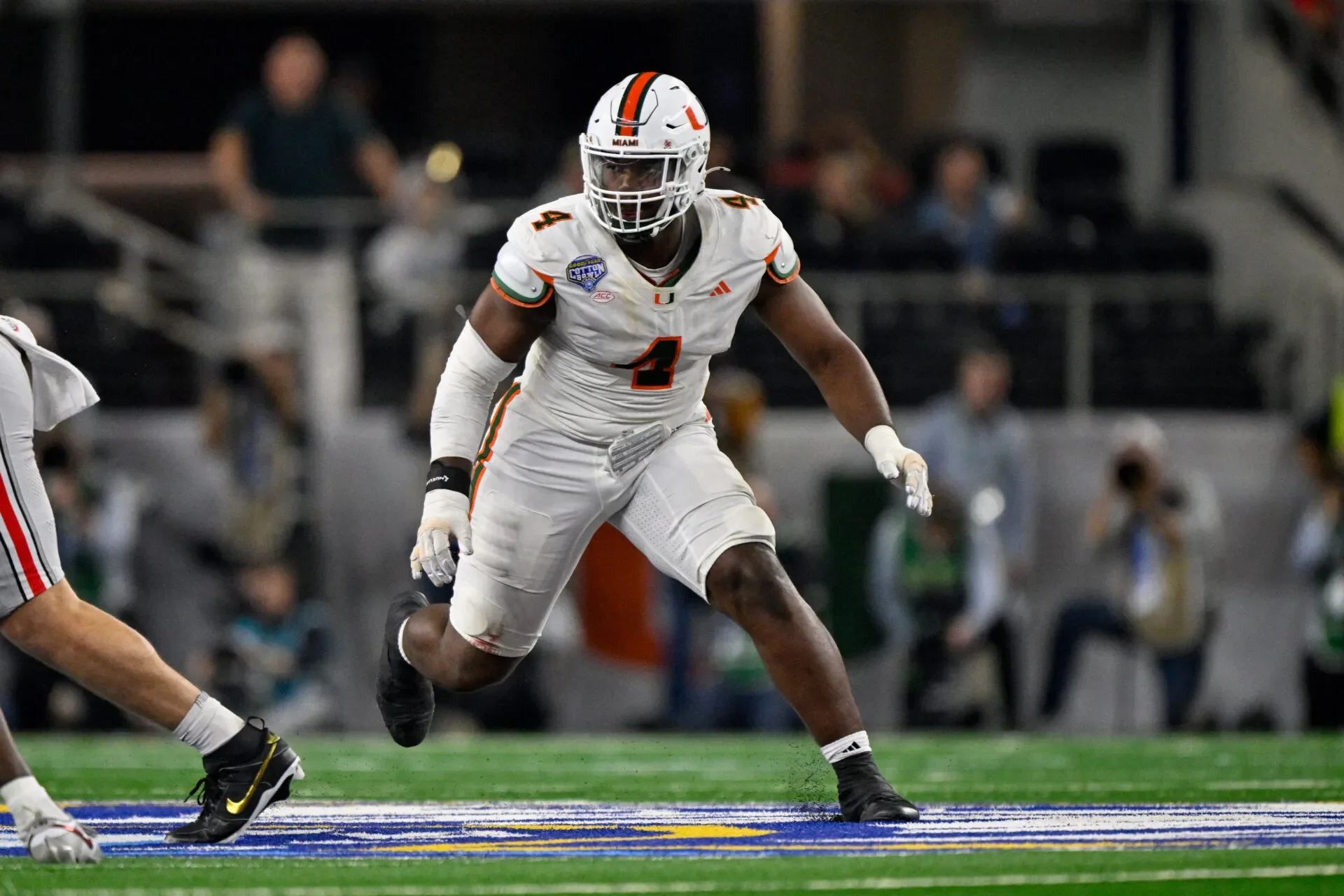
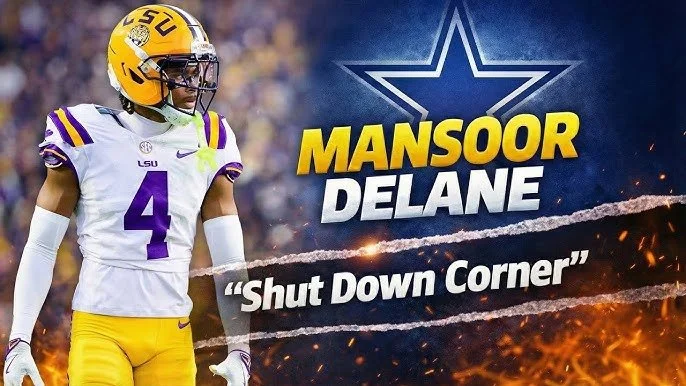
Mansoor Delane (CB, LSU)
The Controlled, High-Level Decision
If Dallas decides to play this clean and calculated, Delane is the pick.
He is:
Technically sound
Instinctive in coverage
Comfortable in multiple schemes
There is nothing risky about this selection. And sometimes, that’s exactly the point.
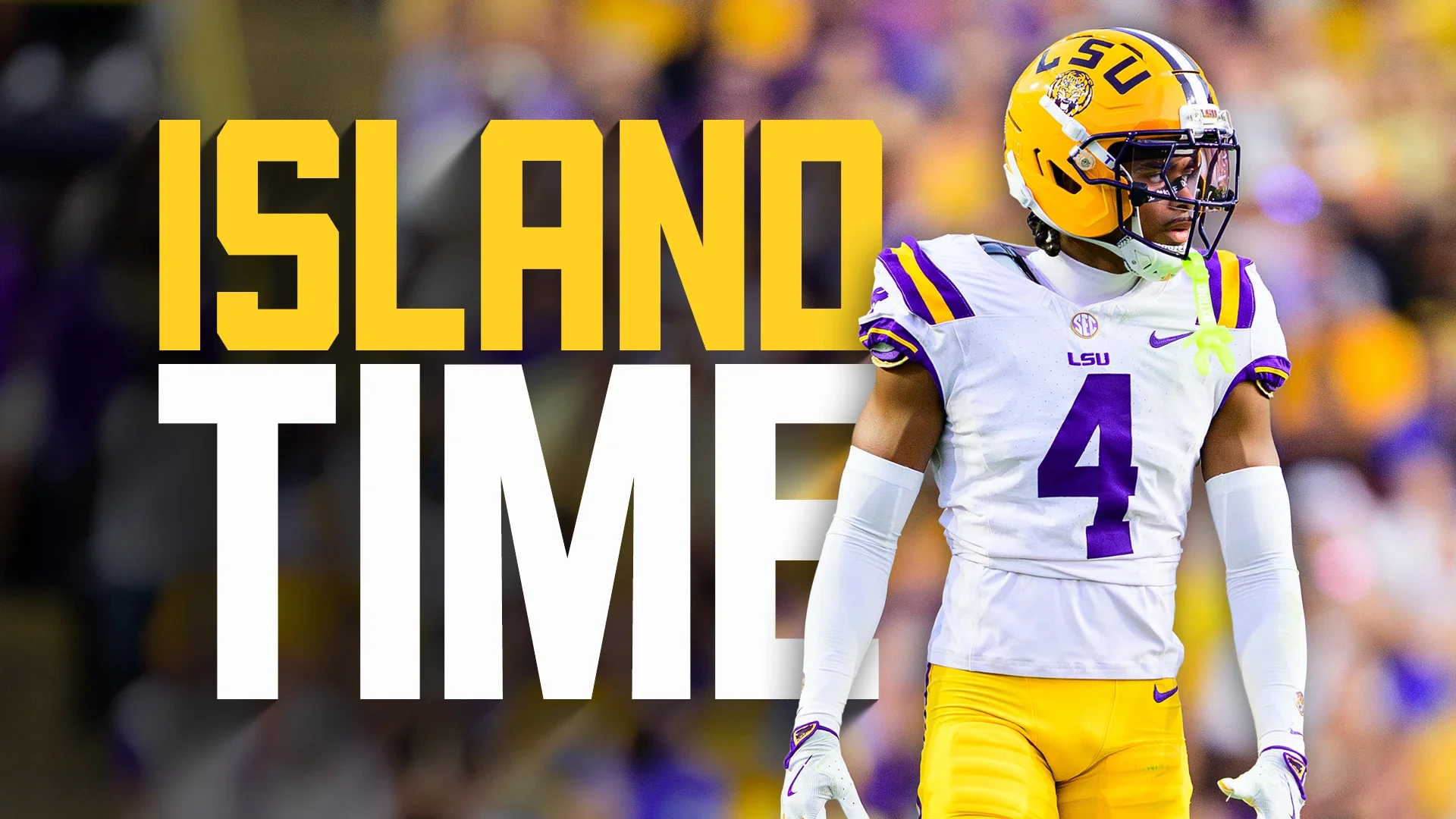
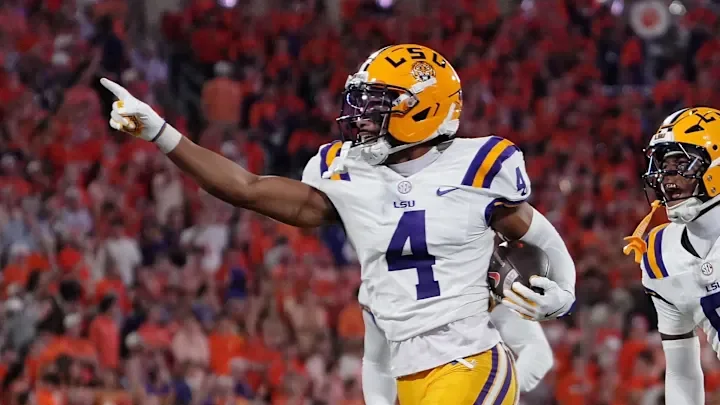
Delane represents more than just a solid draft pick—he represents certainty in a position group that often comes with volatility.
This is the type of selection where a front office is clearly signaling confidence in both the evaluation process and the player’s floor. When teams say, “We’re taking a Day 1 starter who stabilizes the secondary immediately,” they’re not talking about projection—they’re talking about reliability. Delane brings that.
In a draft class loaded with defensive back talent, what separates him isn’t just athletic ability—it’s consistency, discipline, and football IQ. He doesn’t rely on flash plays to make an impact; he wins with positioning, technique, and an understanding of route concepts that allows him to stay a step ahead. Coaches trust players like that early.
He fits the mold of a defender who can step into multiple roles—boundary corner, nickel packages, and even contributing in run support—without becoming a liability. That versatility only increases his value on draft day.
Ultimately, Delane is the kind of pick that might not dominate headlines, but inside the building, it’s viewed as a foundational move. A player you plug in early, build around, and trust to raise the level of the entire secondary from day one.
Probability at No. 12: 15–20%
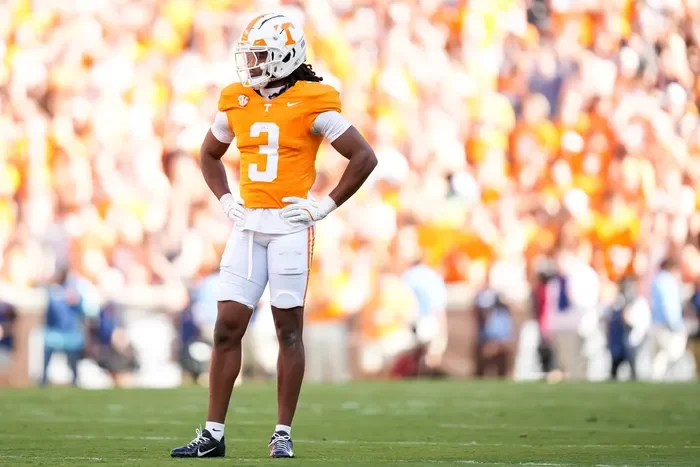
Jermod McCoy (CB, Tennessee)
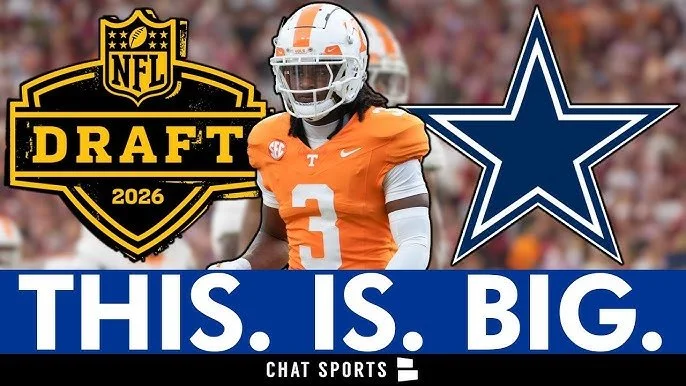
The Gamble That Could Pay Off Big
McCoy is where things get interesting.
Because the talent is not in question.
He is:
Physical at the line
Competitive in coverage
Built for press-man systems
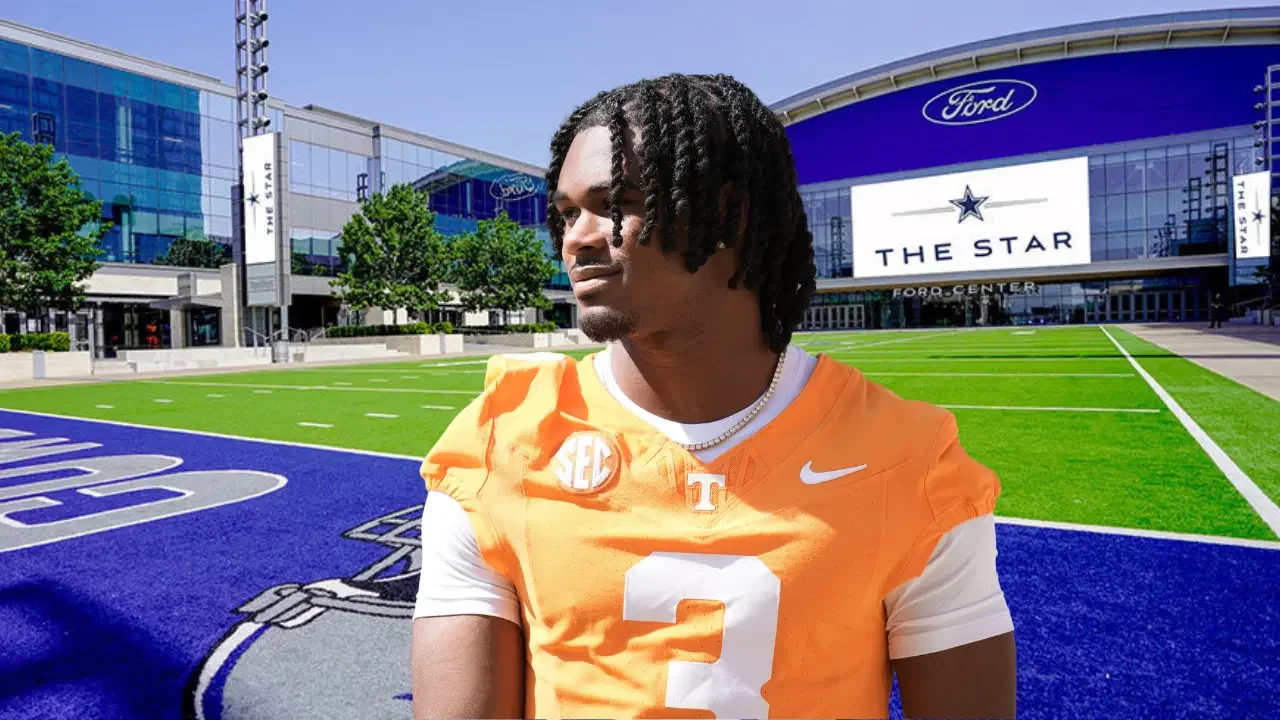
The hesitation comes from one place—health. And not just surface-level concern either. When you’re talking about a player like Jermod McCoy, you’re talking about a prospect whose tape screams Top 10 talent. That’s where the conversation shifts from who he is to what he’ll be coming off injury.
An ACL isn’t just a checkbox for teams anymore—it’s a full evaluation. Medicals, recovery timeline, long-term durability, and most importantly: does he get back to being the same mover? Because McCoy’s game is built on fluidity, change of direction, and the ability to mirror at a high level. If that’s even slightly compromised, it changes the projection.
So now war rooms are asking the real question:
Is the upside worth the risk at 12?
Because if you’re getting the pre-injury version of McCoy, you’re not drafting a “good corner”—you’re drafting a potential CB1 who can travel with top receivers, hold up in man coverage, and give you flexibility on the back end. He’s got that calm, controlled play style—doesn’t panic, doesn’t grab, trusts his technique. Those guys translate.
But if there’s any hesitation in the medicals, or if teams believe he won’t be fully himself early on, that’s where the board gets complicated. Now you’re not just drafting a player—you’re drafting a timeline.
Some organizations won’t touch that at 12. They’ll want immediate availability, clean evaluations, no projection tied to recovery. Others will look at it differently: If we’re right, we just stole a top-tier talent outside the top 10.
And that’s where Dallas becomes interesting.
Dallas has historically shown a willingness to bet on traits, upside, and long-term return—especially when it comes to defensive talent. They’re not afraid of taking calculated risks if they believe the ceiling justifies it.
The real question is whether they view McCoy as a calculated risk…or an unnecessary one at that spot.
Because if their medical staff signs off and they believe he’s getting back to full form, this isn’t a gamble—it’s a value pick.
But if there’s even a little doubt, pick 12 becomes a lot harder to justify.
That’s the tension around McCoy. Not talent. Not fit.
Just timing—and trust.
Probability at No. 12: 10–15%
The Wild Card at 12
The Move No One Expects—But Everyone Is Watching
There is a scenario—small, but real—where Dallas pivots.
Offense.
Names like:
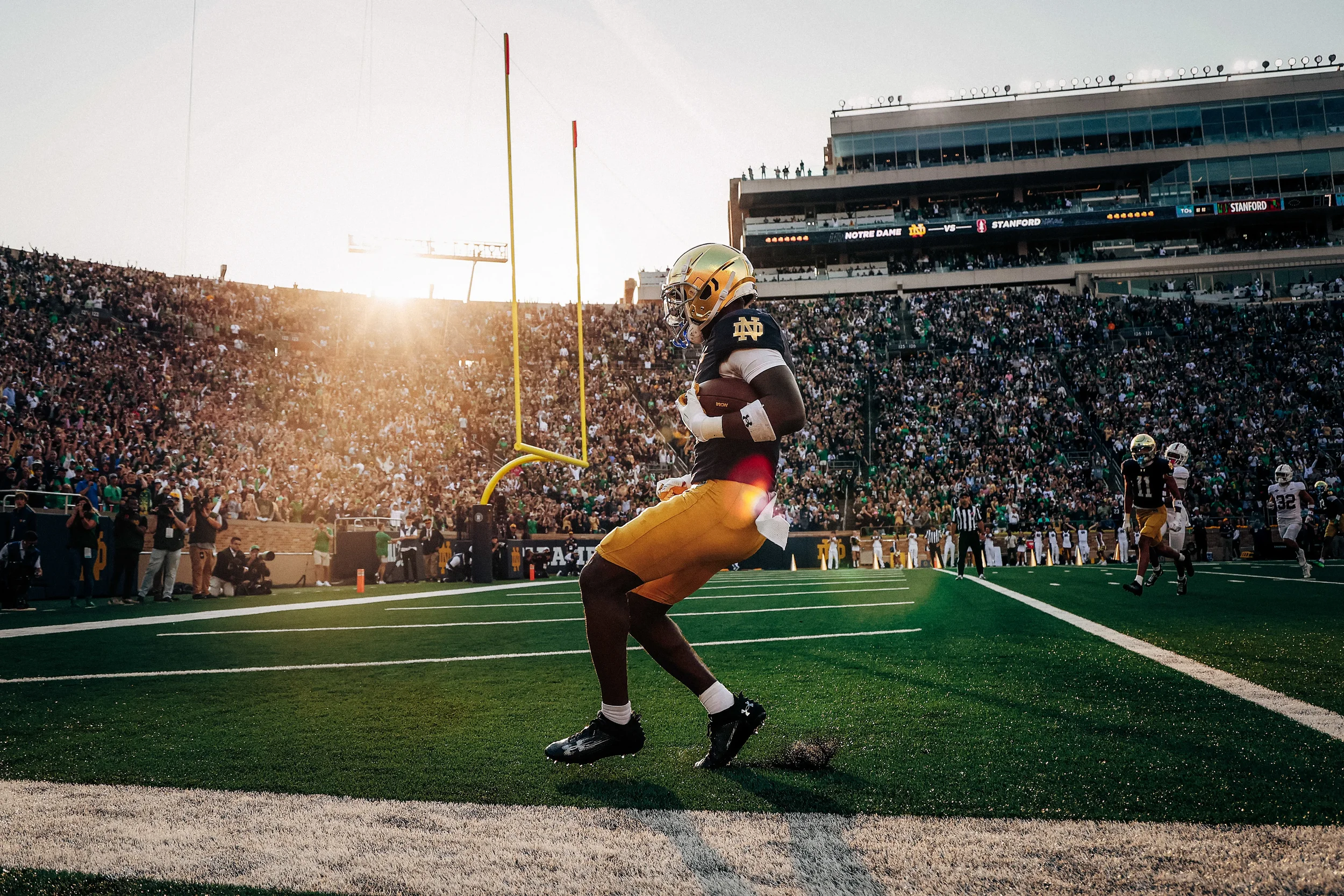
Jeremiyah Love (from people who don’t know football)
Offensive line reinforcements
have surfaced in broader conversations.
But make no mistake about it—inside this draft cycle, that is not the primary plan.
That is the contingency.
If the defensive tier gets wiped out early…then and only then does Dallas adjust.
Until that happens, the expectation remains the same:
Defense is the priority.
Pick No. 20 — Where the Draft Gets Strategic
Pick 12 is about conviction.
Pick 20 is about intelligence.
This is where the Cowboys have to decide whether they are drafting players—or managing the board.
Because this pick carries more weight than it looks.
Option 1: Trade Down
The Move That Makes Too Much Sense
This is not speculation. This is a theme that keeps showing up across multiple credible projections.
Dallas trades down.
And when you look at the structure of their draft, it becomes obvious why.
There is a massive gap until pick No. 92
The talent tier from 20–35 remains strong
Moving down allows Dallas to regain Day 2 capital
This is how smart teams operate. They don’t chase picks—they maximize them.
If the board holds, expect Dallas to listen to calls.
And if the right offer comes in, expect them to move.
Probability: 35–50%
Option 2: Double Down on Pass Rush
The Aggressive Approach
If Dallas walks out of pick 12 with a defensive piece—and then turns around and adds another edge rusher at 20—it sends a very specific message:
They are building their defense through pressure.
Targets in this range include players like:
Akheem Mesidor
Zion Young
This approach is not about balance. It’s about dominance.
It’s about creating a defensive front that doesn’t give quarterbacks time to think.
Probability: 25–35%
Option 3: Add a Defensive Back
The Value Play
If Dallas does not address the secondary at 12, this becomes a very real possibility.
This is where players like:
Dillon Thieneman
Hybrid defensive backs
come into play.
And given how the modern NFL operates, adding versatility on the back end is not a luxury—it’s a necessity.
This option depends heavily on how the board falls early.
Probability: 15–25%
The Big Debate
Should Dallas Go All-In?
There’s one idea floating around right now that just won’t go away—and it feels like one of those ideas that sounds better the longer you don’t think about it.
Trading both first-round picks to move into the top three.
For Jeremiyah Love.
Now I don’t know how this got traction, but somewhere along the way people started acting like this is just a normal Tuesday decision.
Let’s slow that down.
First off—Jeremiyah Love is a good player. Nobody’s arguing that. But the way he’s being talked about right now, you’d think he’s been running through NFL defenses on Sundays.
He played at Notre Dame.
And with all due respect…he wasn’t exactly facing a weekly schedule of elite NFL-caliber defenses. A lot of those Saturdays looked real impressive—but they weren’t exactly built the same as what he’s about to see on Sundays.
So now we’re talking about trading two first-round picks…for a running back…who might not even be the best player in his own draft class.
And that brings us to something everybody in football—scouts, coaches, front offices—has known for years:
You don’t draft a running back in the first round.
You just don’t.
Not because they aren’t talented. Not because they don’t help.
Because the position doesn’t last, and the value doesn’t hold.
You can find production later. You can build committees. You can plug guys in behind a strong offensive line.
But what you don’t do—if you’re trying to build something sustainable—is trade premium draft capital for a position with one of the shortest shelf lives in the sport.
Which is why this whole conversation feels less like strategy…
…and more like temptation.
Because if there’s one thing Jerry Jones has never backed down from, it’s a big swing.
This is Jerry Jones “The Gambler.”
And you can almost picture it. Draft night. Lights on. Cameras rolling.
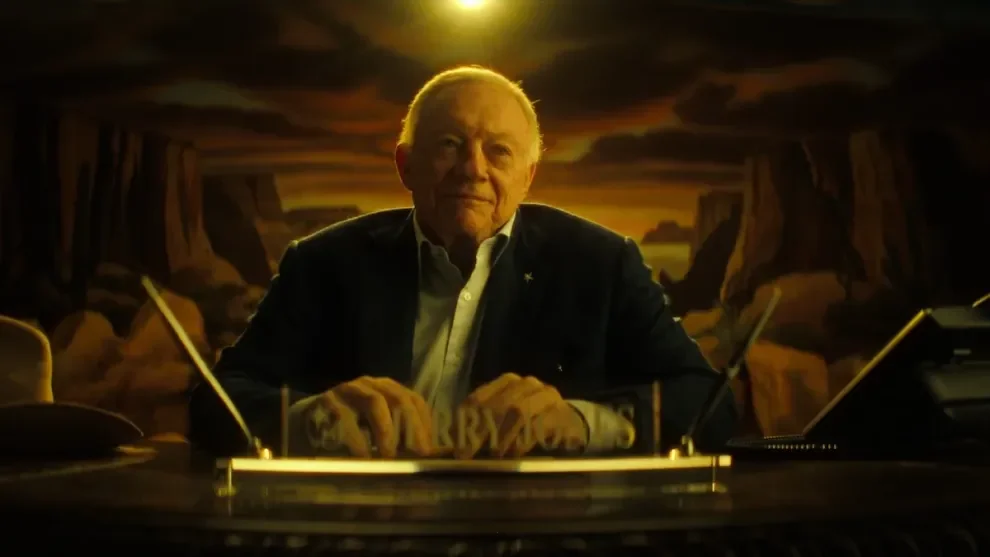
Everybody playing it safe…
…and Jerry leaning forward like, “What if we did something nobody else would do?”
And for a moment, it sounds exciting. It always does.
But that’s the danger.
Because this is the kind of move that wins the night. It wins the headlines. It wins the reaction shows.
People would be losing their minds.
But five years later?
You’re either calling it genius…
Or you’re sitting there trying to explain why you gave up two first-round picks for a running back—while the rest of your roster still needed help.
And that’s the part nobody wants to think about when the lights are on.
Final Prediction — What Sound Off News Believes Dallas Will Do
Strip everything away—the noise, the speculation, the headlines—and a pattern emerges.
Dallas is going to trust its board.
Dallas is going to lean defense.
And Dallas is going to use its second first-round pick as leverage.
Here is the most likely outcome:
Pick No. 12
Dallas selects the best defensive player available, with Sonny Styles, from Ohio State as the priority target if he is on the board.
But if he’s gone—and there’s a very real chance he will be—this is where Dallas shows you exactly how they think.
Because now it becomes a choice between philosophy vs. value vs. risk tolerance.
If Styles is gone, the cleanest and most logical pivot is Rueben Bain Jr. from The U. Probability if Styles is gone
35–45%
Or Cornerback-
Mansoor Delane
Jermod McCoy
Probability
30–40%
So at Pick 12 we predict in this order the Cowboys will take one of these four based on availability:
Styles
Bain Jr.
Delane
McCoy
Pick No. 20
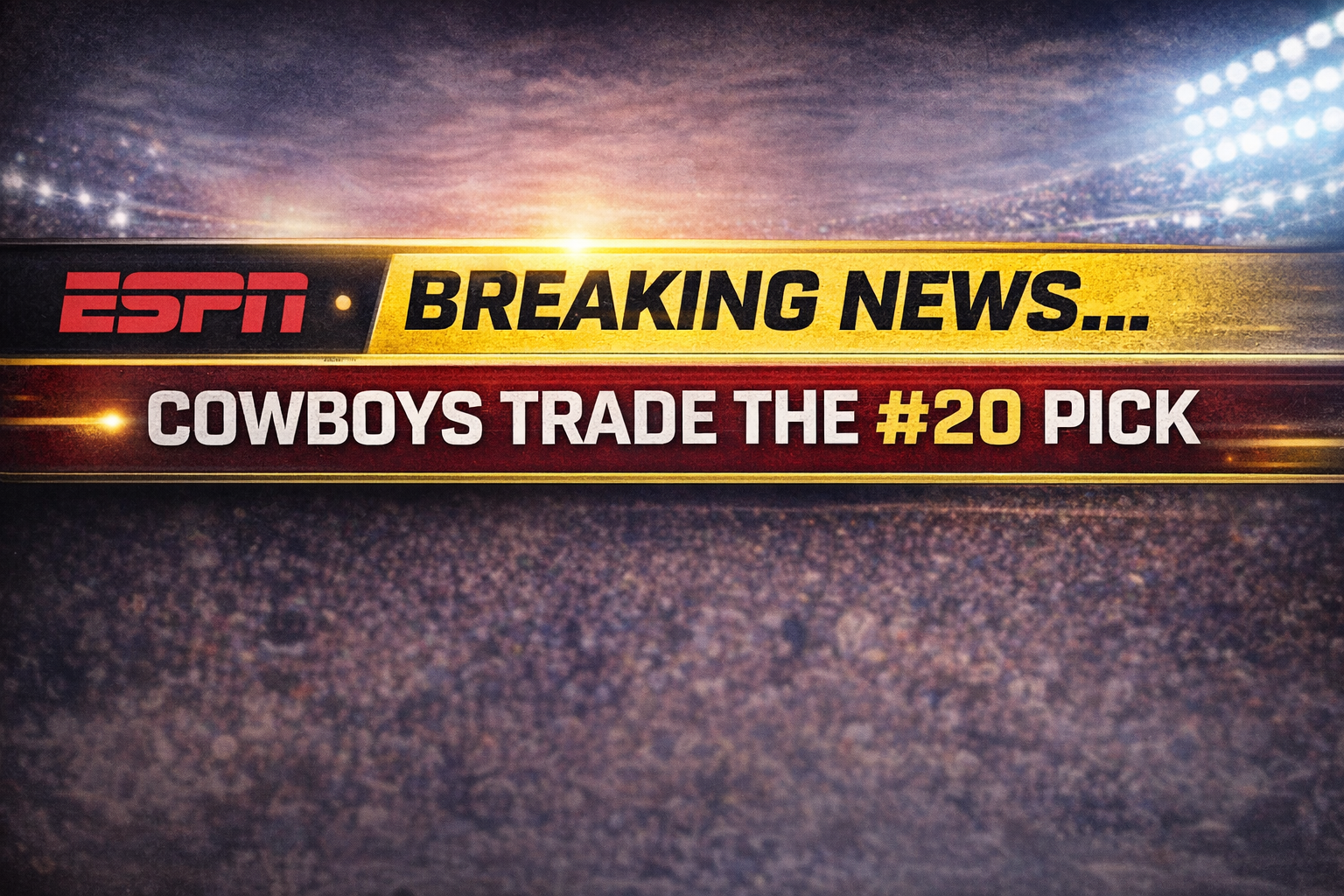
Dallas trades down.
And if you’ve been paying attention to how smart organizations operate, that’s when things actually start to get dangerous—in a good way.
Because this isn’t Dallas backing off.
This is Dallas playing the board.
They slide back, pick up valuable Day 2 capital, and still stay in a range where the talent doesn’t fall off—it just shifts. And that’s the part casual fans miss. The difference between pick 20 and pick 30 in this class? It’s not a cliff. It’s a lane change.
And sitting in that lane…are impact players.
Players that don’t just fill depth charts—they become part of the foundation.
We’re talking about names like:
CJ Allen (LB) — a downhill, physical presence who brings toughness back to the middle of your defense
Anthony Hill Jr. (LB) from Denton, Texas — speed, explosiveness, sideline-to-sideline range; the kind of athlete that changes how offenses attack you
Jacob Rodriguez (LB) from Wichita Falls, Texas — instinctive, high-motor, always around the football
Or if Dallas decides to stay aggressive up front:
Akheem Mesidor (EDGE) — powerful, disruptive, built to collapse pockets
T.J. Parker (EDGE) — long, athletic, with real pass-rush upside
And if they want to take advantage of one of the deepest position groups in the draft—the secondary:
Jermod McCoy (CB) — first-round talent, physical, competitive, with real upside if healthy
Colton Hood (CB) — elite speed, fluid hips, and the kind of measurables teams covet
Avieon Terrell (CB) — instinctive, tough, plays bigger than his frame
Chris Johnson (CB) — another versatile defensive back who fits today’s game
That’s the advantage of trading down.
You’re not giving something up.
You’re multiplying it.
Now instead of forcing a pick at 20, Dallas is sitting there later in the round with:
More draft capital
The same tier of players
And more flexibility to keep building
This isn’t flashy.
It’s not going to win the draft-night headlines. No one’s jumping out of their seat when the ticker says “Cowboys trade down.”
But inside war rooms across the league?
That’s the move people respect.
Because this is how disciplined teams build something that lasts.
Not just one season. Not just one run.
A roster.
An identity.
A direction.
And if Dallas plays it this way—if they trust the board, move back, and still land one of these impact defenders—they won’t just win the first round.
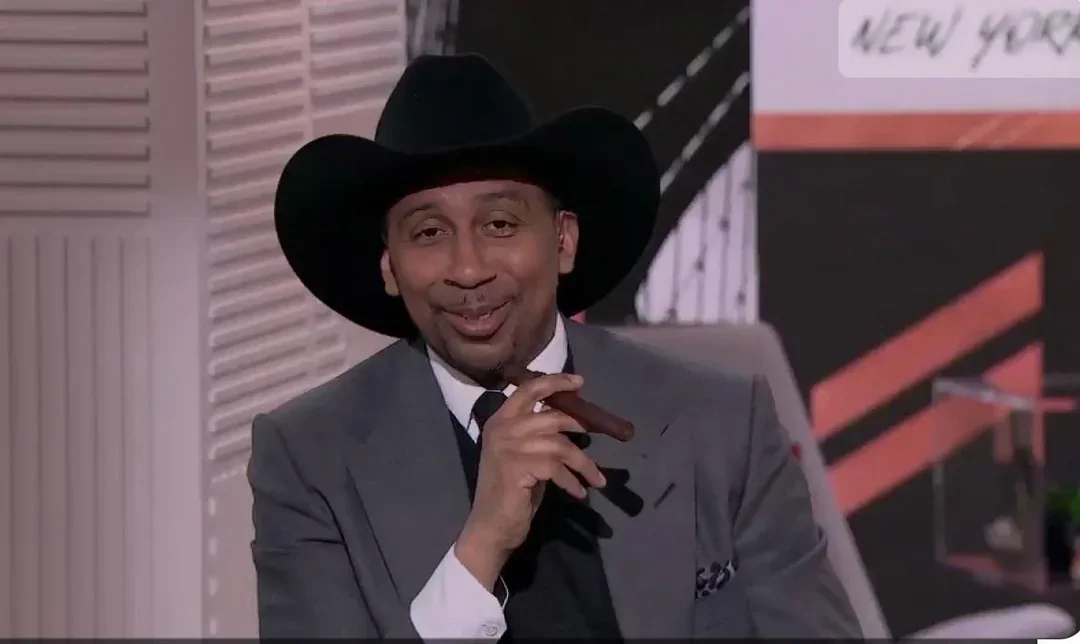
They’ll take control of where this franchise is going next, right, Stephen A?
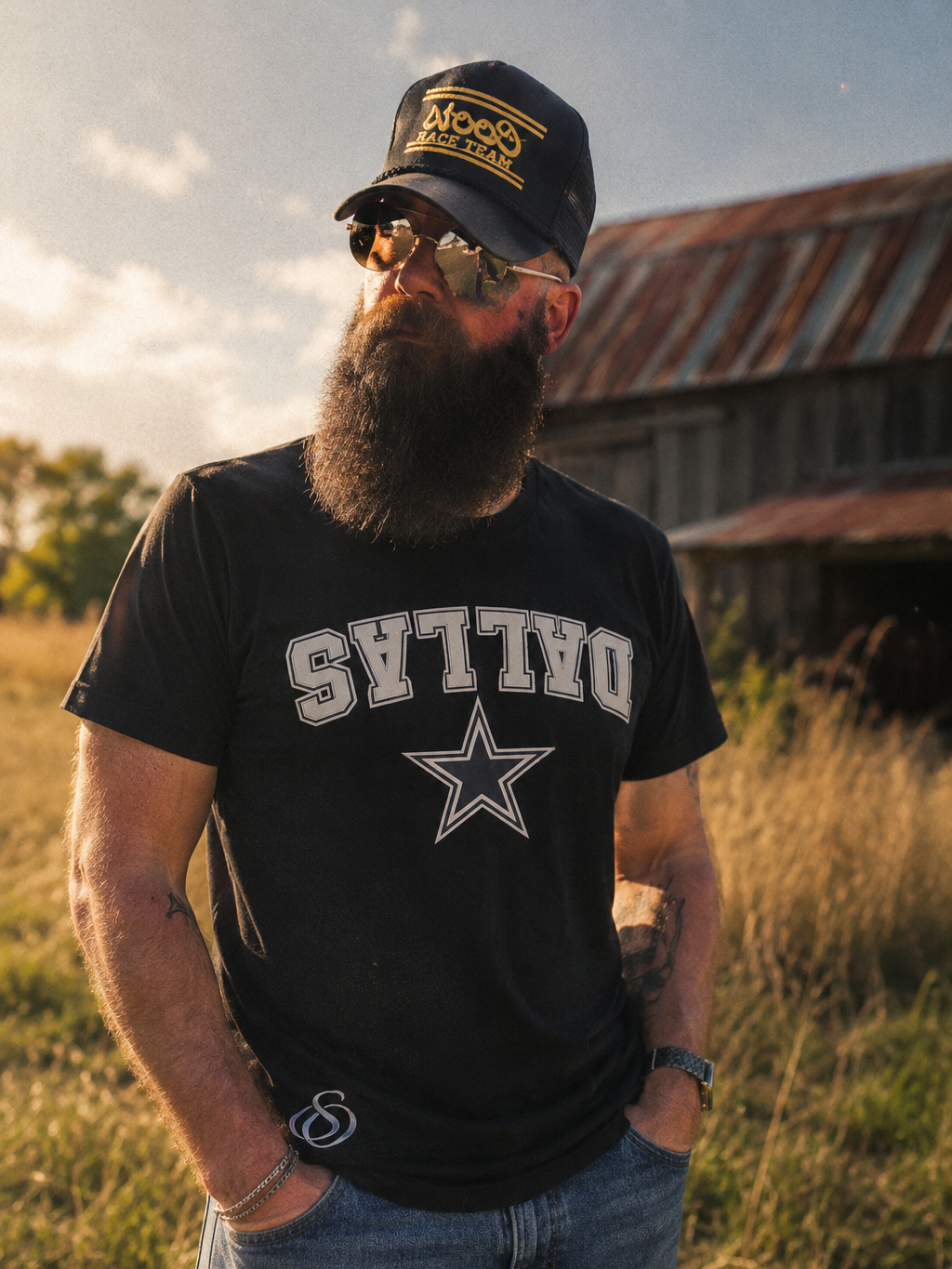
Flip the script and rep Dallas with a bold, no-nonsense look. The Upside Down Dallas Shirt takes a classic athletic design and turns it on its head—literally. Featuring arched, outlined lettering in a clean upside-down layout with a centered star, this shirt delivers a sharp, standout style that’s instantly recognizable.
The Story Behind Upside Down Dallas
Upside Down Dallas started as a feeling.
The world shifted in 2020. Everything changed. Nothing felt normal.
So the city flipped.
What started as a design became something bigger. It became identity. It became pride. It became a way to stand out without saying a word.
Today, it represents more than a moment. It represents Dallas from a different perspective. Dallas is the first upside down.
Built on a sleek black tee, it keeps things simple, strong, and unmistakably Dallas. Whether you’re out, at the game, or just making a statement, this shirt brings a unique edge to a timeless look.
Comfortable, durable, and made for everyday wear—this is for those who like their style just a little different.
Classic black color with bold white outline print
Upside-down athletic lettering for a unique look
Clean, minimalist design with centered star detail
Comfortable fit for everyday wear