A Ceasefire, a Signal, and a Warning: What Really Happened Last Night
By Jeff Campbell, Sound Off News
The headline says ceasefire.
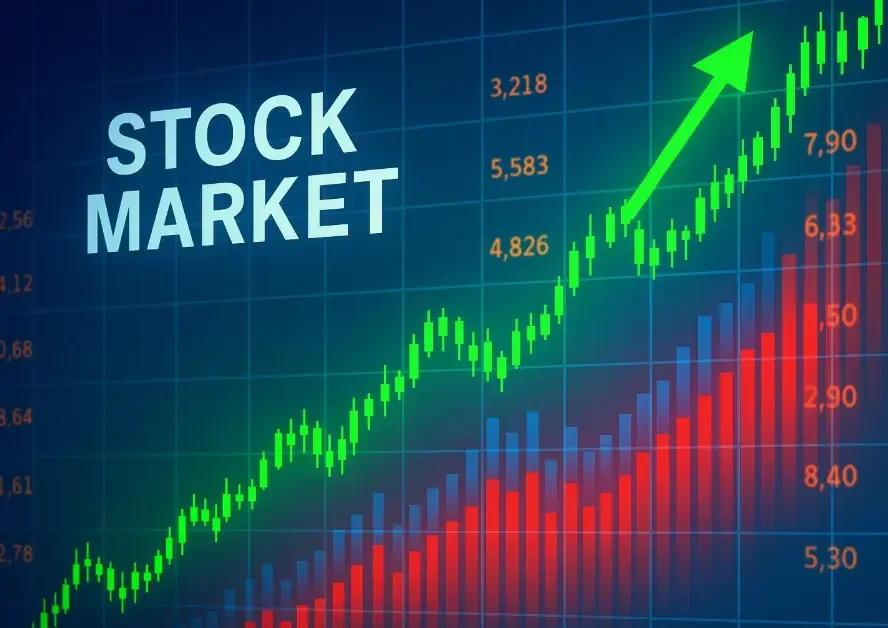
The market says relief.
But the real story is far more complex—and far more telling.
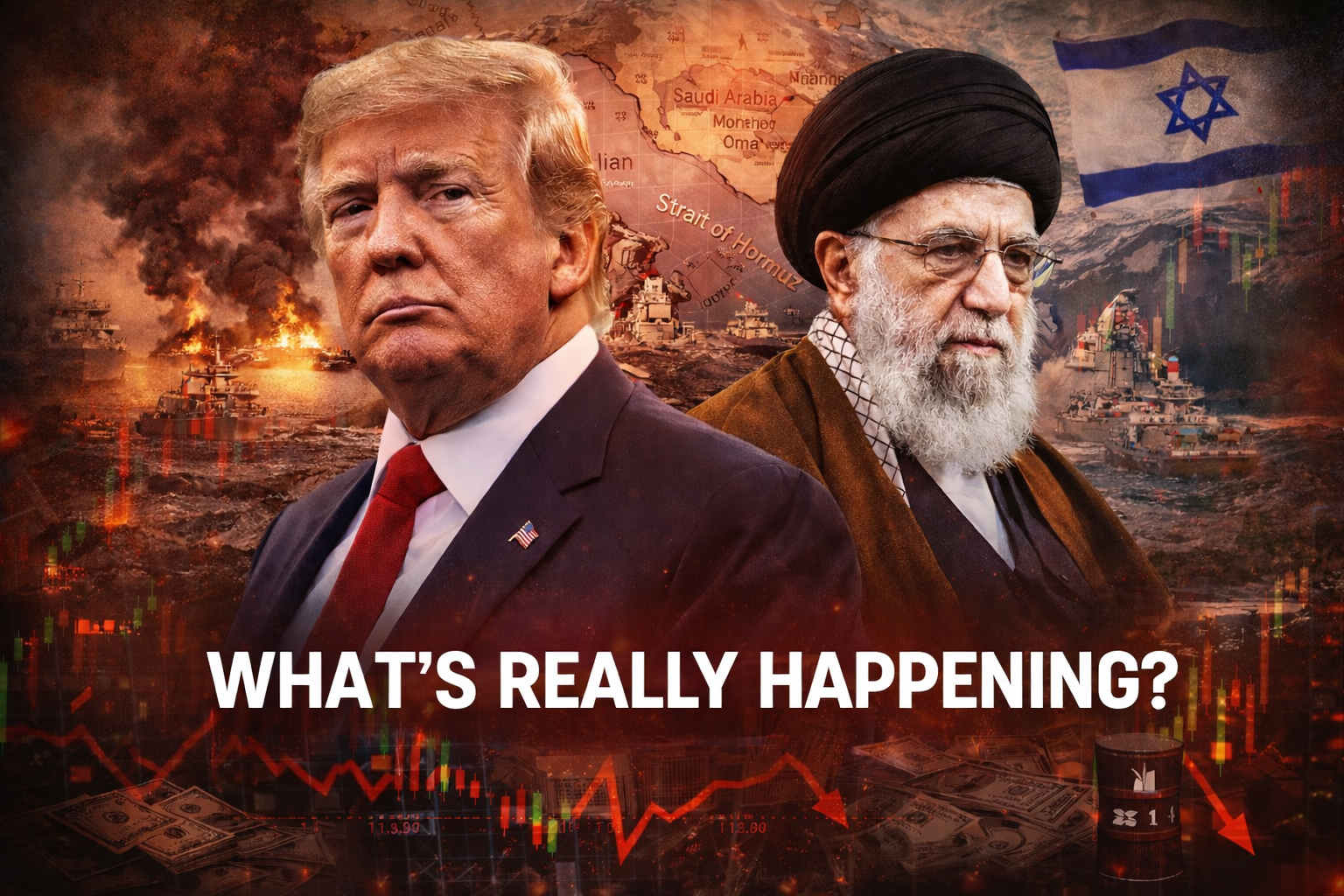
Last night’s two-week ceasefire between the United States and Iran, which includes conditional reopening of the Strait of Hormuz, is being framed as a step back from the brink. Oil dropped nearly 15%. Stocks surged. Headlines turned optimistic.
But if you look closely, this isn’t resolution.
It’s a pause—and possibly a fragile one.
The Market Told the Truth First
If you want to understand what actually matters in global conflict, don’t start with politicians—start with markets.
The immediate reaction was clear:
As soon as traders believed the Strait of Hormuz might reopen, everything moved.
Oil dropped sharply
Equities rallied
Bond yields fell
Inflation expectations eased
That tells you something critical:
The world isn’t primarily afraid of war right now. It’s afraid of inflation.
Hormuz handles roughly 20% of global oil flow. That’s the pressure point. Not missiles. Not rhetoric. Supply.
But here’s the reality—only a handful of ships have resumed movement. Nearly a thousand remain backed up. At the current pace, the system won’t normalize before the ceasefire even expires.
So yes, markets are celebrating.
But they may be celebrating too early.
Trump’s Move: Strategy or Retreat?
Just hours before the agreement, President Donald Trump was publicly threatening devastating escalation. Then suddenly, a two-week ceasefire emerges, paired with openness to Iran’s 10-point proposal.
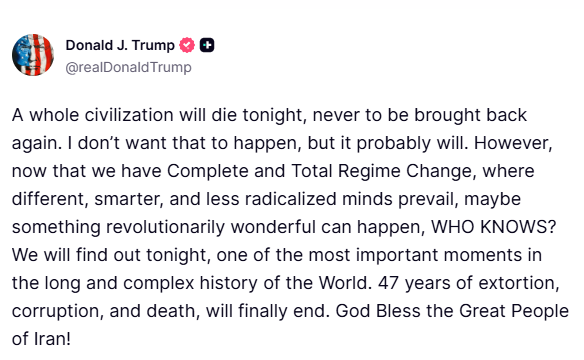
That shift is significant.
From a policy standpoint, it signals a willingness to step back from immediate confrontation. From a political standpoint, it reinforces a now-familiar pattern—apply maximum pressure, then recalibrate before the full economic consequences hit.
Some will call that strategy. Others will call it retreat.
But what matters more is how it’s being interpreted.
Other Reactions Reveal Something Deeper
An analysis of reactions surrounding the shows something far more revealing than simple political disagreement.
The same event—a ceasefire—produced completely different conclusions:
A strategic win
A humiliating concession
A calculated pause
A sign of weakness
And these interpretations did not converge—even as more information became available.
This isn’t just polarization. It’s something deeper.
As outlined in the research analysis, political reactions are not driven purely by facts or outcomes, but by identity, perception of strength, and the preservation of dignity.
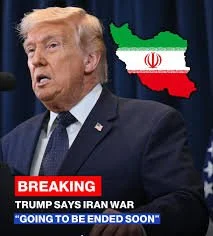
For some, Trump stepping back cannot be weakness—it must be strategy.
For others, anything short of escalation is unacceptable.
The result is not confusion.
It’s a structured divide—where each interpretation protects a different underlying worldview.
In other words:
People aren’t reacting to what happened.
They’re reacting to what it means for who they believe we are.
This Is No Longer a Three-Player Game
Another major shift—this conflict is no longer just about Washington, Tehran, and Tel Aviv.
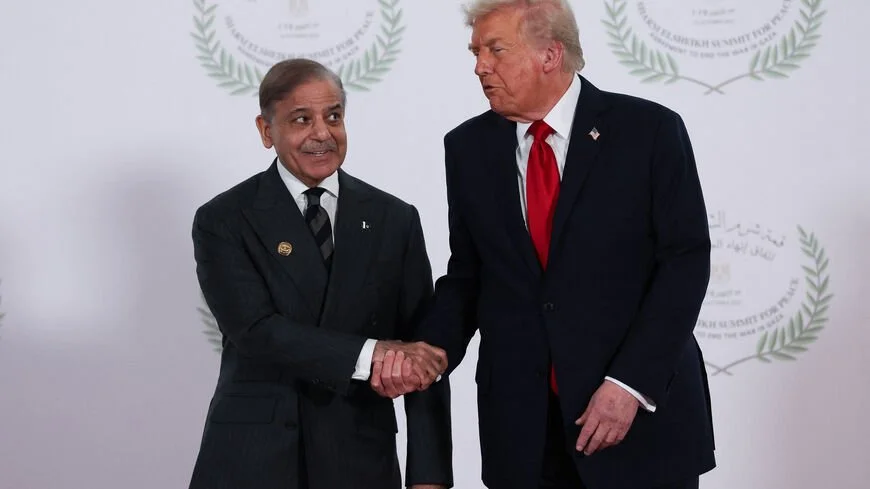
Pakistan is now positioned as a key mediator, hosting talks beginning April 10
China is likely influencing outcomes behind the scenes due to its reliance on Iranian oil
Oman may play a role in tolling and passage agreements through Hormuz
Iran’s proposal itself includes language about controlled passage and strategic dominance of the Strait—which, if accepted in any form, fundamentally changes the balance of power in the region.
This isn’t just diplomacy.
It’s a restructuring of influence.
The Illusion of Stability
Despite the ceasefire, the risks haven’t gone away—they’ve just shifted.
Israel has already stated operations in Lebanon will continue
A commercial vessel in the Persian Gulf was struck just yesterday
Shipping companies remain cautious entering the region
Insurance costs and transit risks remain elevated
Even the White House has described the situation as a “fragile truce.”
And that’s exactly what it is.
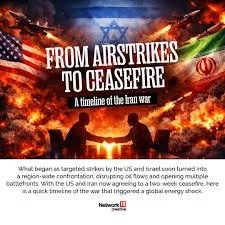
What Happens Next (And Why It Matters)
1. Watch the Strait of Hormuz
If traffic resumes quickly and consistently:
Oil could fall further
Markets could extend gains
If not:
Prices stabilize higher
Volatility returns fast
2. Fuel Prices Will Lag
Even if oil drops:
Gasoline and diesel won’t fall overnight
Jet fuel markets could take months to stabilize
Supply chain disruptions are still working through the system
Translation:
Consumers will feel this longer than markets.
3. The Real Issues Are Still Unresolved
The ceasefire does nothing to solve:
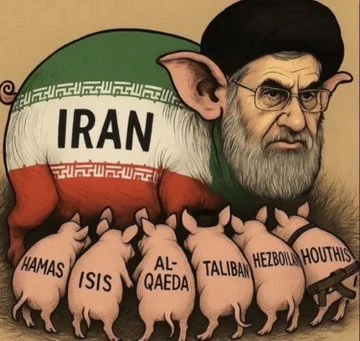
Iran is still Iran. Unless the job is finished.
Iran’s nuclear program
Sanctions and economic pressure
Missile development
Proxy conflicts across the region
Long-term control of Hormuz
These are the issues that determine whether this becomes stability—or just another pause before escalation.
Bottom Line
This ceasefire isn’t peace—it’s leverage doing what it’s supposed to do.
What we’re seeing is a strategic pause, created by pressure that forced movement. When strength is clear and credible, outcomes follow. That’s not theory—that’s exactly what just played out.
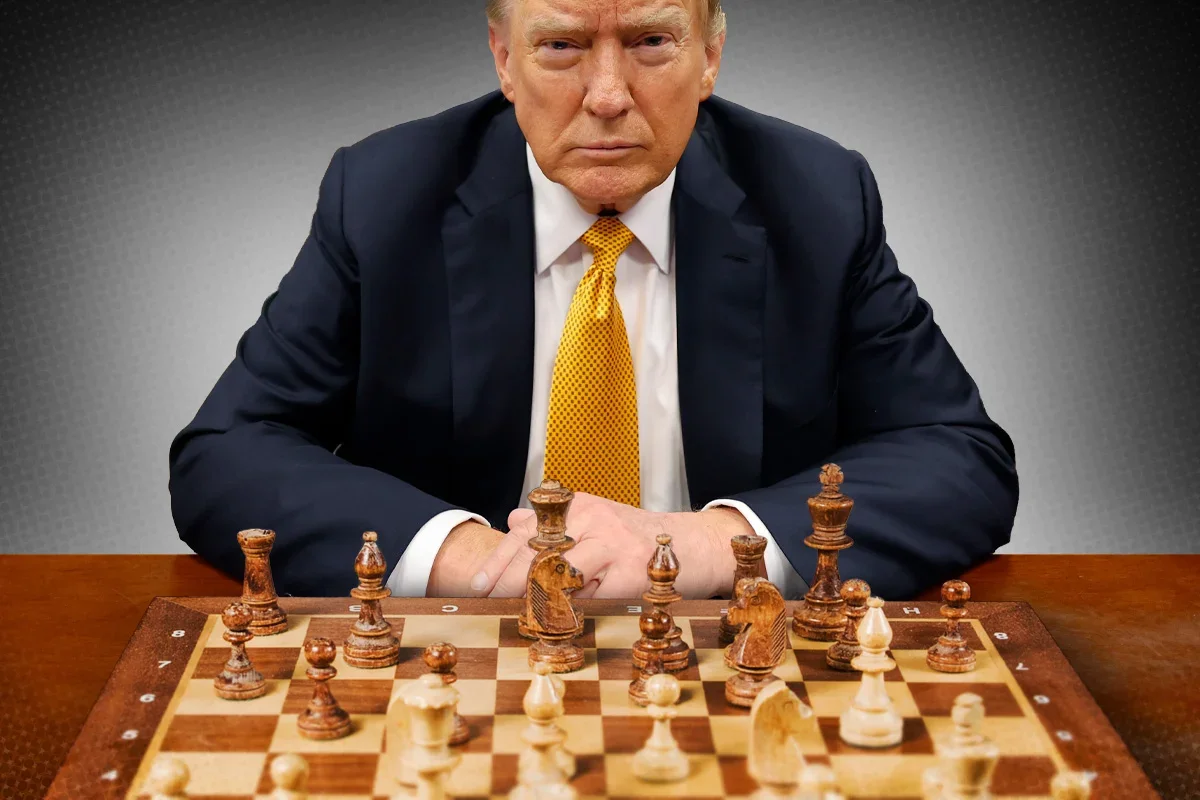
Markets may be breathing easier, but they’re reacting to the idea that stability is possible because decisive leadership created an opening. That doesn’t mean the risk is gone—it means the situation has been reset under new terms.
The political divide you’re seeing isn’t about confusion—it’s about perspective. Some see strength in escalation alone. Others understand that real strength is knowing when to push—and when to pull back after you’ve gained leverage.
And the region?
Still volatile. Still armed. Still far from resolved.
Nothing about Iran’s long-term ambitions has changed. Nothing about the broader instability in the Middle East has disappeared.
But this moment matters—because it shows what happens when leadership is willing to act, not just react.
The real question isn’t whether this was necessary.
The real question is whether that same pressure and clarity will be sustained moving forward.
I leave you with this….
What we saw last night wasn’t just diplomacy—it was controlled pressure, applied and then pulled back at the right moment.
Markets moved first—as they always do. And what they showed us was simple: when strength creates leverage, outcomes follow. The moment there was a path to stability in the Strait of Hormuz, everything shifted. That doesn’t happen without pressure being applied in the first place.
Perception mattered just as much as policy—but in this case, perception was driven by one thing: unpredictability backed by the willingness to act. That’s what forces movement. That’s what brings people to the table. You don’t get concessions by being passive—you get them by making it clear you’re willing to go further than the other side is comfortable with.
And then there’s the part people are going to debate—but it’s worth saying plainly:
A ceasefire like this doesn’t happen in a vacuum. It happens because one side realizes the cost of continuing just went up.
Now, does that mean the conflict is over? Not even close.
Even when the fighting pauses, the underlying issues are still there—nuclear concerns, regional influence, proxy conflicts, control of key trade routes. None of that disappears overnight.
It’s more like this—two guys are about to get into a fight, and one of them steps in, sets the tone, and makes it clear how far he’s willing to go. Suddenly, things cool off. Not because the disagreement is gone—but because the terms just changed.
That’s where we are.
Because in today’s world:
Markets react to strength, not speeches
Leverage matters more than optics
And pauses like this aren’t endings—they’re resets
The real question isn’t whether this stops things.
It’s whether that pressure continues to shape what happens next.

Celebrate freedom, fireworks… and whatever just happened.
The “Erika Did It” Patriotic Tee brings bold American pride to life with a vibrant flag design and enough red, white, and blue to make your uncle start talking about the Constitution at a cookout.
Whether you’re at a backyard BBQ, watching fireworks, or just standing around holding a plate of food you didn’t cook, this shirt is built to stand out. It’s the kind of shirt that makes people look at you, look at the shirt, and then just quietly nod like, “Yeah… I’m not asking questions.”
Designed as a fun, conversation-starting piece, it captures the spirit of independence… except for the kid in Provo, Utah.
Disclaimer:
This design is intended for general patriotic and novelty use. Any names or phrases are used in a generic, non-affiliated manner and are not associated with any specific individual, organization, or event.
P.S. Nobody at Sound Off are suicidal.