

US SOCCER STATE OF THE UNION
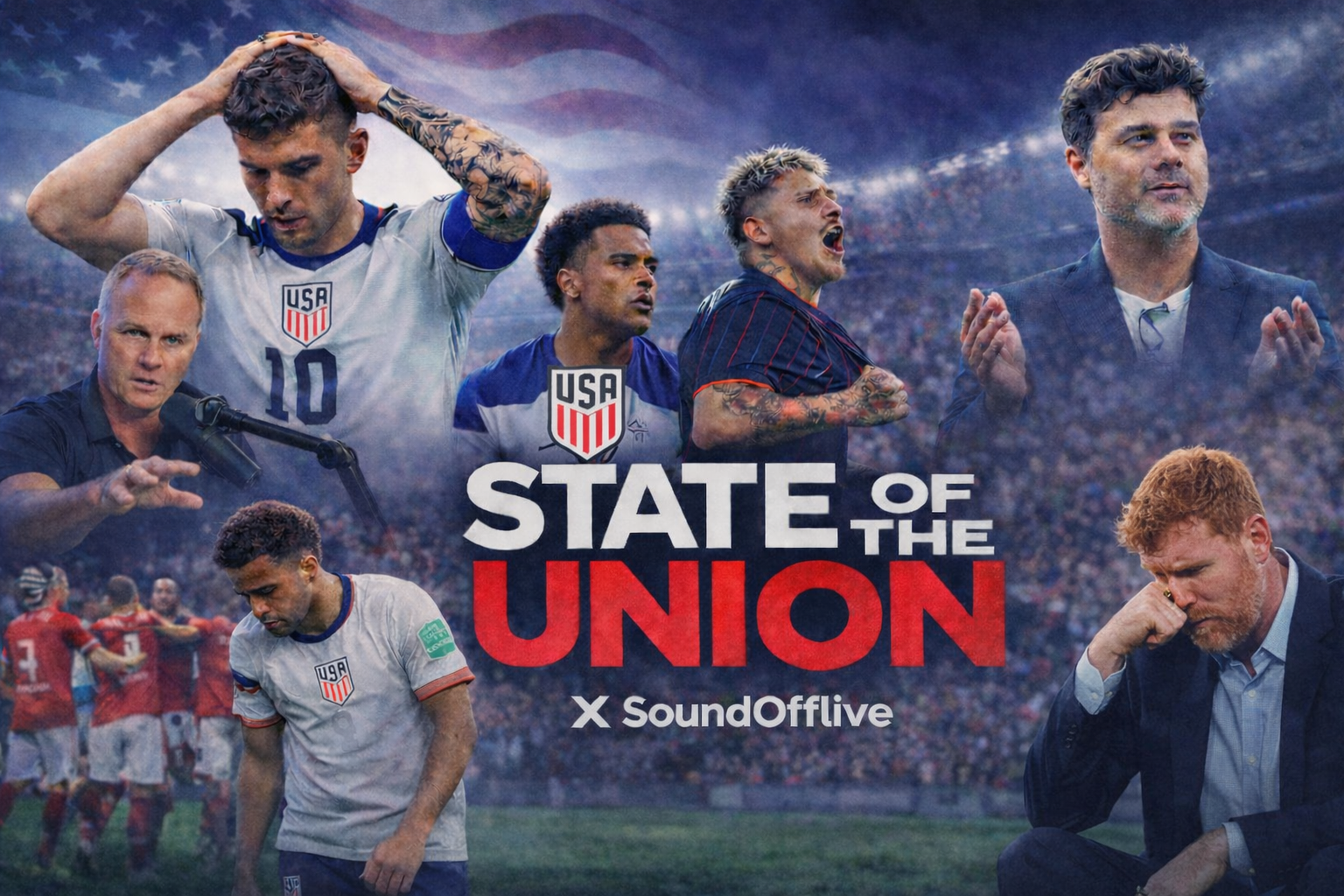
By Jeff Campbell | SoundOff News
There are moments in sports when you don’t need a scoreboard to tell you something has changed.
You can feel it.
It’s in the way the crowd gets quiet just a second earlier than it used to. It’s in the way a missed chance doesn’t feel unlucky anymore—it feels predictable. It’s in the way fans start explaining things instead of celebrating them.
And right now, that’s where the United States Men’s National Team is living.
Not in crisis.
But not in comfort either.
Somewhere in that uncomfortable middle ground where belief used to be automatic—and now it has to be earned again.
The Mood Flip Nobody Wanted to Admit
Two games.
That’s all it took.
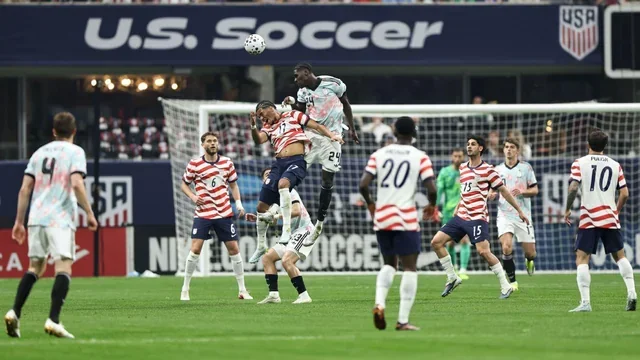
Two games in Atlanta—Belgium and Portugal—and suddenly the narrative flipped like a light switch nobody remembers touching.
A 5–2 loss. A 2–0 loss. Seven goals conceded. Questions multiplied. Confidence reduced to “well… we had some good moments.”
And here’s the part nobody wants to say out loud—but everybody’s thinking:
This wasn’t supposed to happen now.
Not this close.
Not with a World Cup on home soil staring you in the face.
Because these weren’t just friendlies. They were labeled—by the federation itself—as final auditions.
Which is a fancy way of saying:
“We should probably know who we are by now.”
And instead, we walked away wondering if we even know what we’re trying to be.

The Head Coach Says “Details”… The Critics Hear “Time’s Up”
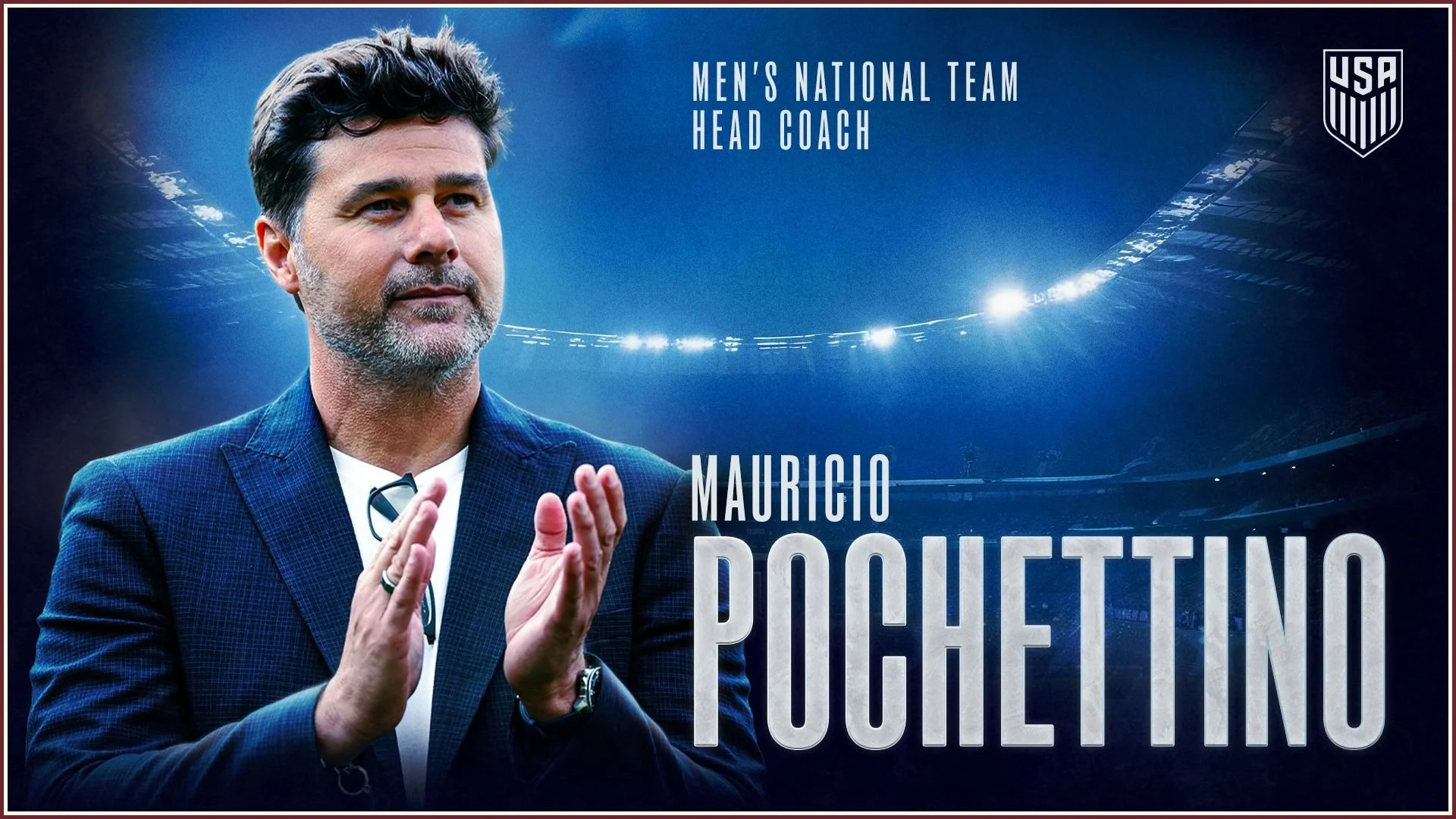
Mauricio Pochettino stood at the podium and said what coaches say when they’re trying to steady a room:
“We’re close.”
“It’s the details.”
“We’re not far away.”
And look—he’s not wrong.
If you watch the tape, the U.S. did have stretches. Good ones. Dangerous ones. Moments where you thought, “Yeah… that looks like a team that belongs.”
But here’s the problem with “moments.”
World Cups aren’t decided by moments.
They’re decided by margins.
And right now, every margin seems to be going the other way.
Now flip the channel.
Because while Pochettino is preaching patience, the critics are preaching urgency—and they’re not being subtle about it. I can’t blame them. We cannot fumble this World Cup, and it is starting to feel like that’s exactly what’s about to happen.
LIVE U.S. vs Belgium Instant Reaction with Alexi Lalas, Stu Holden & David Mosse Presented by @Zillow #zillow
Alexi Lalas is asking for consistency—basically saying, “Pick something and stick with it.”
Herculez Gomez? He skipped the patience part entirely.
He said it feels like time has run out.
He said it feels like four years were wasted.
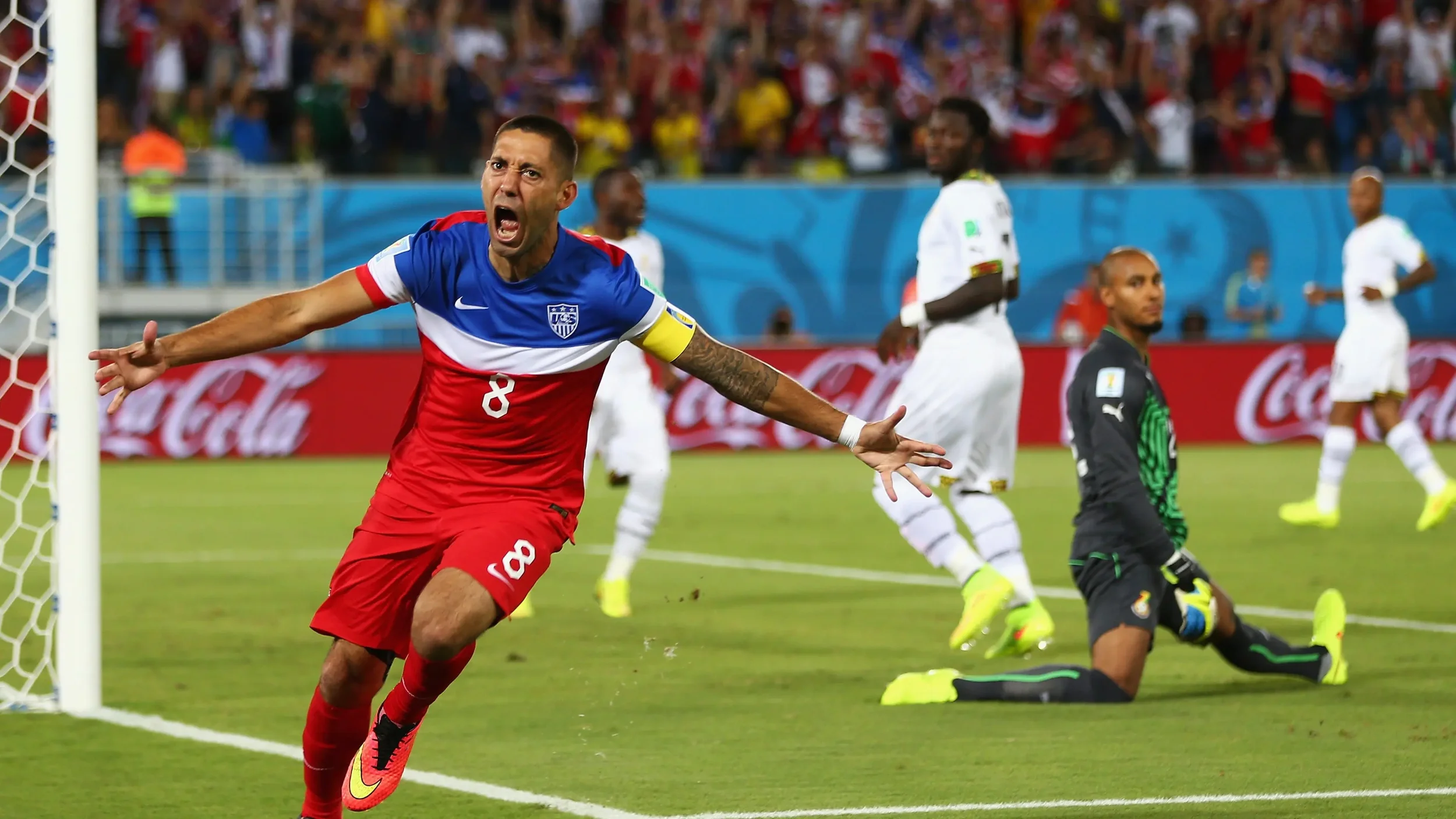
And Clint Dempsey—who usually keeps it measured—cut through it in a way only a former player can:
If you’re a striker watching your coach play without a striker…
You’re not confused.
You’re mad.
And honestly? That might be the most honest take of all.
Because players don’t hear “tactical flexibility.”
They hear “I don’t trust you.”
GOLZ TV IS NOW LIVE! Visit www.golz.tv for unlimited, fan-generated soccer content! Follow us at: Twitter: https://twitter.com/golz_tv Instagram: https://www.instagram.com/golz.tv/
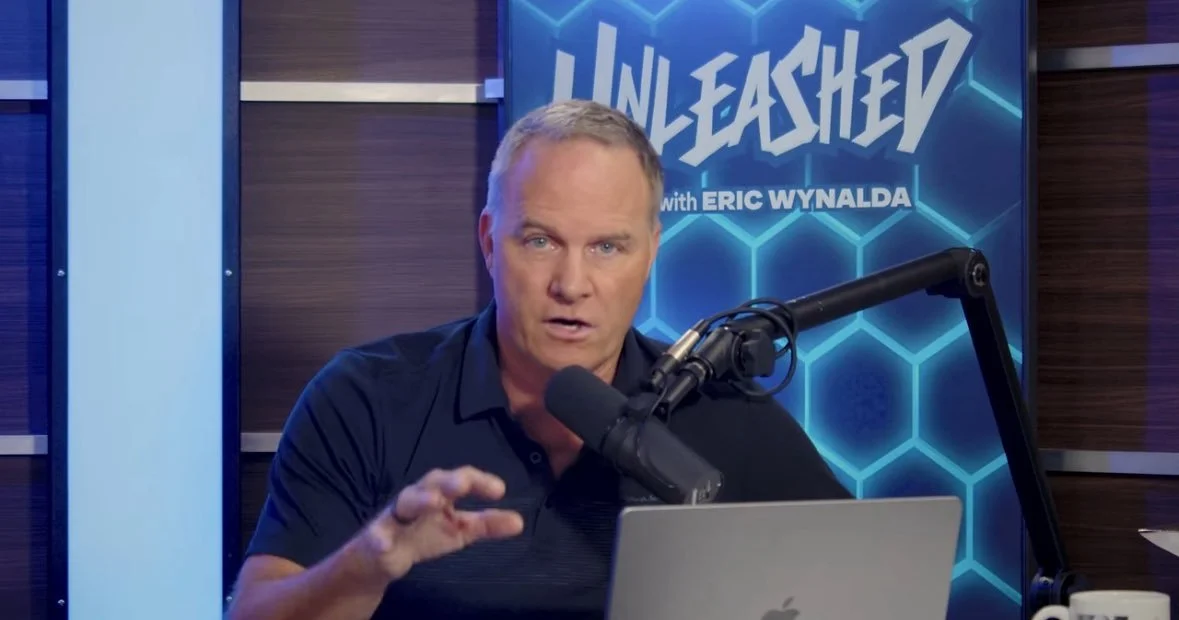
Wynalda has consistently pointed to a lack of clear identity:
What system are we playing?
Who are we building around?
What style defines this team?
To him, the U.S. looks like a team still experimenting way too late in the cycle, Especially after the Portugal and Belgium losses.
How are we literally months away from the World Cup and we still don’t know who we are?
………………………….
Meanwhile, Landon Donovan is promoting his book and mad at a 19-year-old, kid who lived his whole life in Germany, for not picking the USMNT to play for.
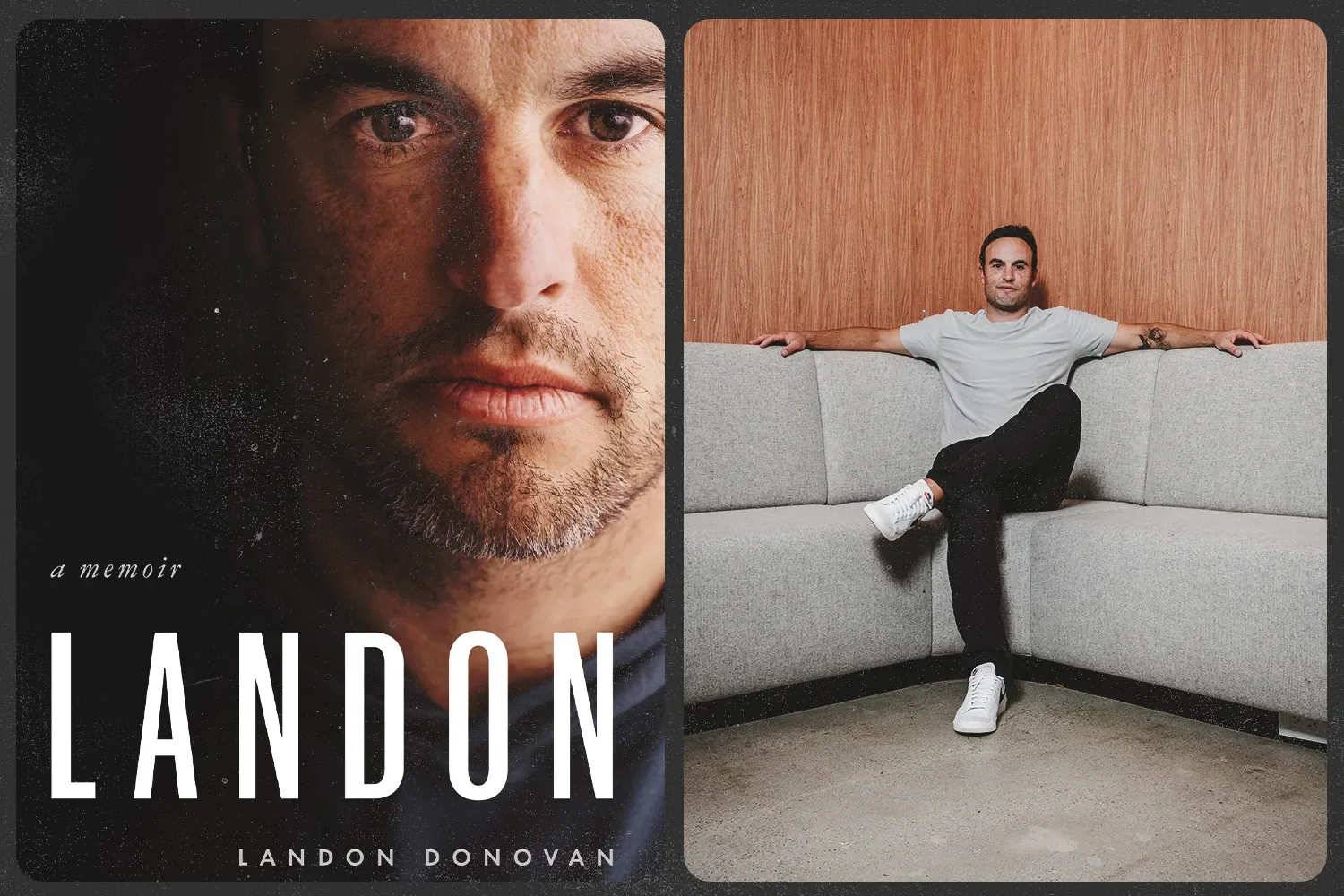
Landon on the couch—literally in this picture—arms spread out like he just solved U.S. Soccer…while still trying to figure out why a kid raised in Germany might feel German. It’s just one of those moments where you go…“Man… you really weren’t that incredible on the pitch…but off the pitch, you’ve become that guy at Thanksgiving who brings up stuff nobody asked about.”
The Tactical Identity Crisis (Or: Who Are We, Exactly?)
Let’s simplify this.
If you asked ten people what the U.S. is trying to be right now, you’d get twelve different answers.
That’s not a joke. That’s a problem.
Because over the past few months, we’ve seen:
A 3-4-2-1
A 4-2-3-1
A hybrid version of both
And at one point… a system that looked like it was drawn up five minutes before kickoff
And here’s where it gets uncomfortable:
They tried one system.
Then they tried another.
And somehow, they got worse results.
Outscored 7–2 across two games after switching shapes.
Now, I’m not saying formations win games.
But I am saying this:
Confusion loses them.
And right now, the U.S. looks like a team still asking questions instead of answering them.
The Pulisic Experiment (And Why It Matters More Than You Think)
Let’s talk about the elephant in the lineup.
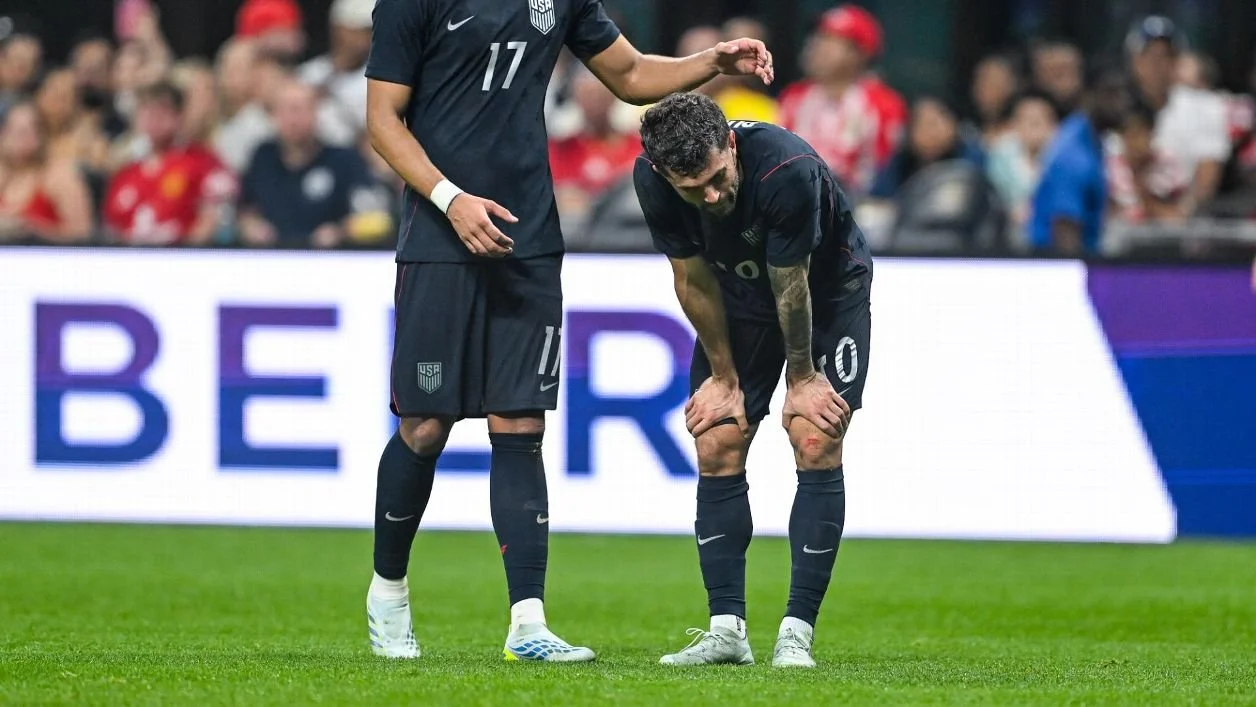
Christian Pulisic… at striker.
Now on paper, I get it.
You want your best player closer to goal.
You want him touching the ball where it matters most.
You want him scoring again.
That’s the theory.
But here’s the reality:
He hasn’t scored for club in 2026.
He’s on an eight-game international drought.
And now you’ve taken him out of the space where he’s most dangerous—and asked him to be something he’s not.
It’s like asking your fastest player to drive the bus.
He might do it.
But that’s not why he’s on the team.
And you could see it.
The frustration. The near-misses. The moments that almost turned into something—and then didn’t.
And in international football, “almost” is just a polite way of saying “no.”
The Real Problem: Moments Without Mastery
If you watched those matches—really watched them—you felt it.
At some point, you probably leaned forward and said it:
“We’re not that far off.”
And you’re right.
That’s exactly what makes this so frustrating.
Because when you turn on a match and watch teams like Brazil, Argentina, England—or even Belgium, who just walked into Atlanta and handled business—you start to understand what “not far off” actually means.
It means you can hang with them… until it matters.
Those teams don’t just play well—they control matches. They dictate tempo. They don’t just create chances—they expect to score from them. There’s a calmness, a confidence, almost an inevitability to how they operate.
Brazil gets in the final third, and you feel danger.
Argentina finds space, and you expect something to happen.
England builds an attack, and you know they’re not wasting it.
Belgium? They don’t need ten chances. They’ll take two—and that’s enough.
Now look at the U.S.
We get into good areas… and hesitate.
We create chances… and second-guess.
We build momentum… and let it slip.
That’s the gap.
And it’s not as big as people think—but it’s real.
Because at this level, the difference isn’t talent on paper.
It’s execution under pressure.
It’s what happens in the one moment that decides the game.
The U.S. needs three, four, five opportunities to find a goal.
Top teams?
They need one.
And when that moment comes, they don’t think—they act.
That’s why when we say “we’re close,” it’s true.
But it’s also incomplete.
Because close doesn’t win you games against Brazil.
Close doesn’t get you past Argentina.
Close doesn’t survive England.

And as we just saw…
Close doesn’t beat Belgium.
Because at this level, “almost” isn’t a stepping stone.
It’s a ceiling.
And until the U.S. learns how to turn those moments into something decisive—something clinical—something final…
They’ll keep walking off the field saying the same thing.
“We’re not that far off.”
While the scoreboard keeps telling a different story.
The Player Pool: Locks, Bubbles, and the Pressure Cooker
Now we get to the part that actually matters.
Because this isn’t theoretical anymore.
The roster is coming.
And decisions are about to stop being conversations—and start being consequences.
Let’s break it down.
The Locks (or as close as we’ve got)
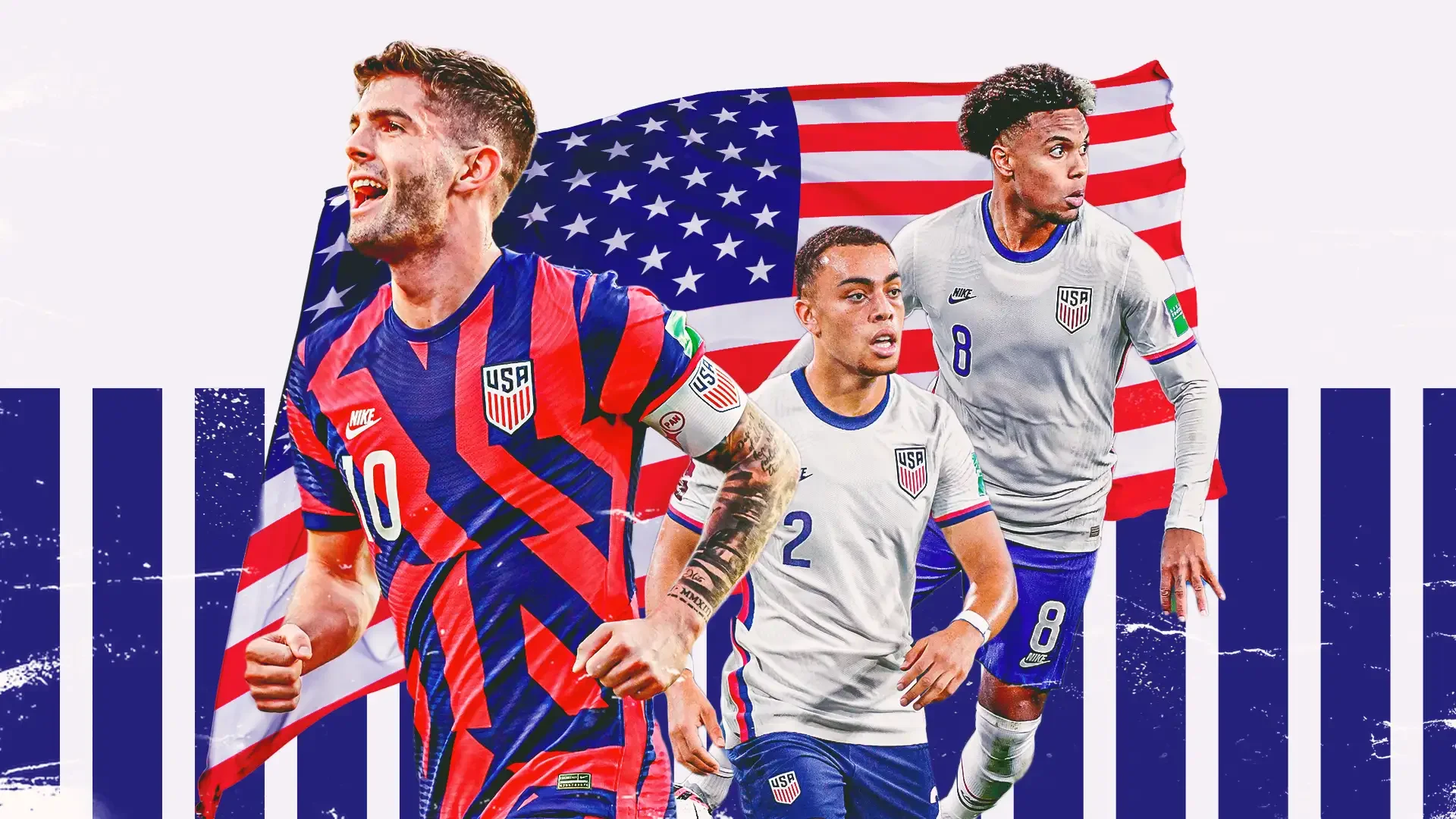
Christian Pulisic
Weston McKennie
Tyler Adams
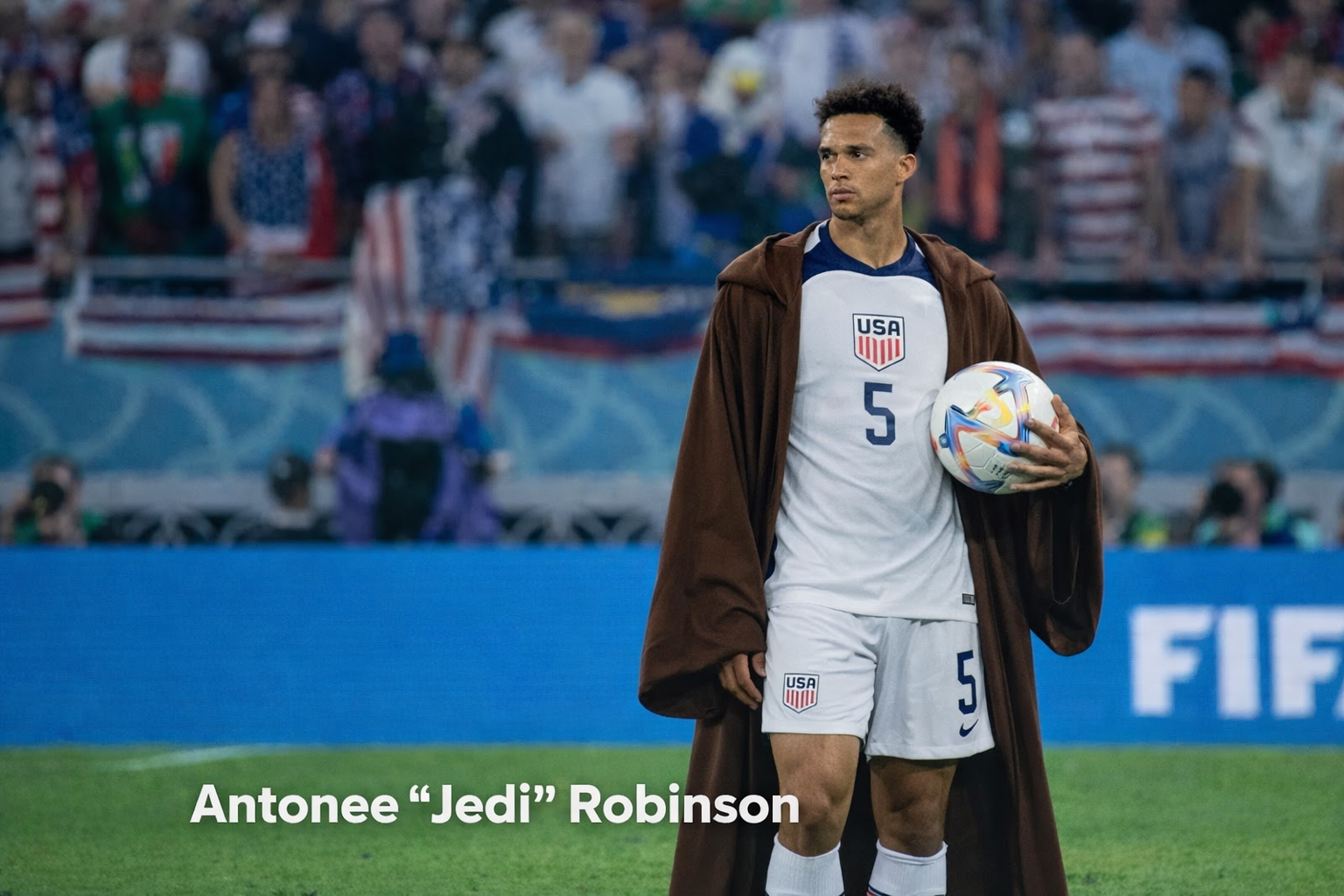
Antonee “Jedi” Robinson
Sergiño Dest
Tim Weah
Folarin Balogun
Ricardo Pepi
These are your core.
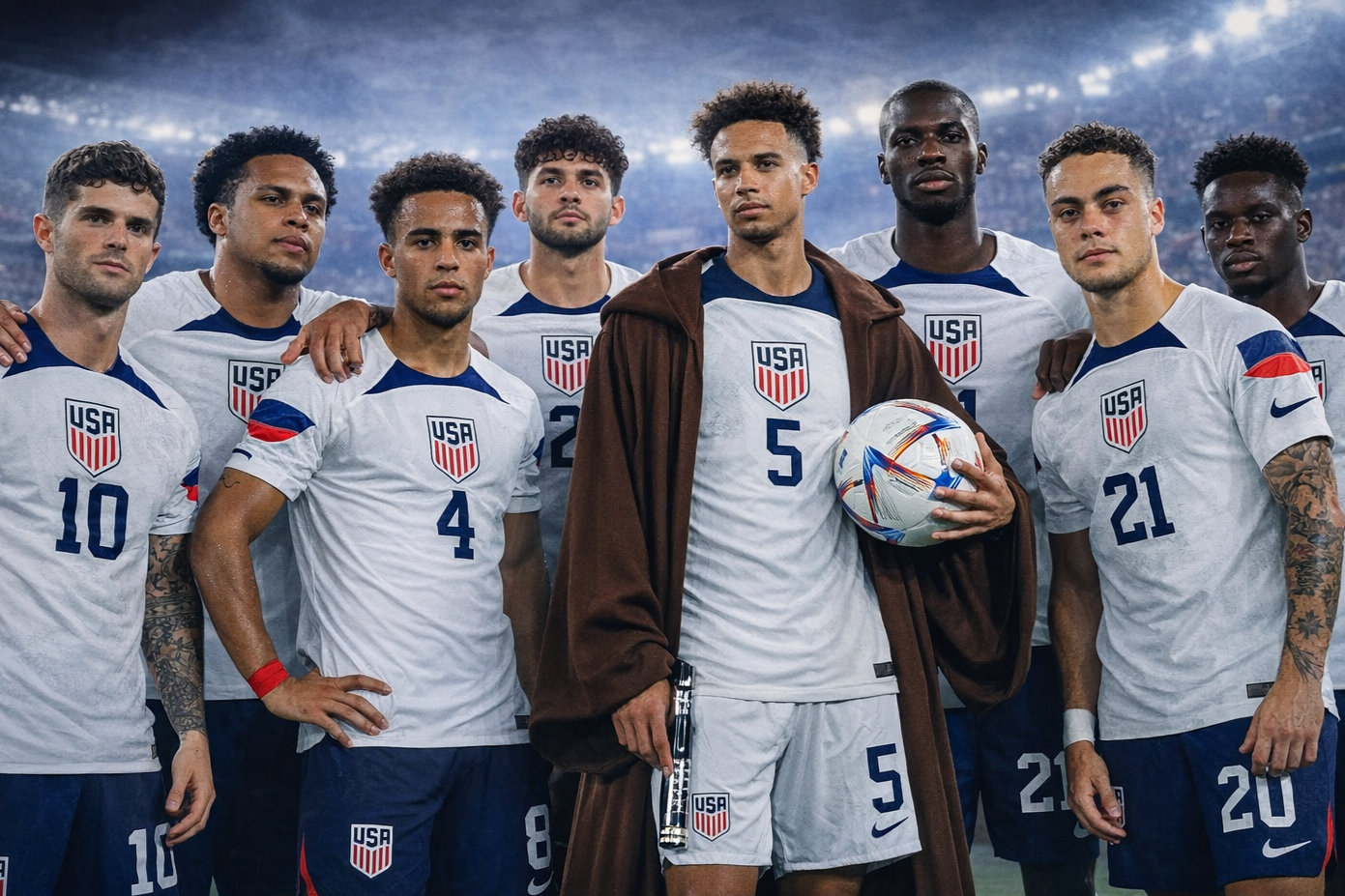
Your spine.
Your “if they’re healthy, they’re going” guys.
The Bubble (Where Careers Get Made or Lost)
Gio Reyna (talent vs availability)
Brenden Aaronson (engine vs end product)
Diego Luna (form vs experience)
Joe Scally
Miles Robinson
Auston Trusty
This is where it gets interesting.
Because this isn’t about who’s better.
It’s about who fits.
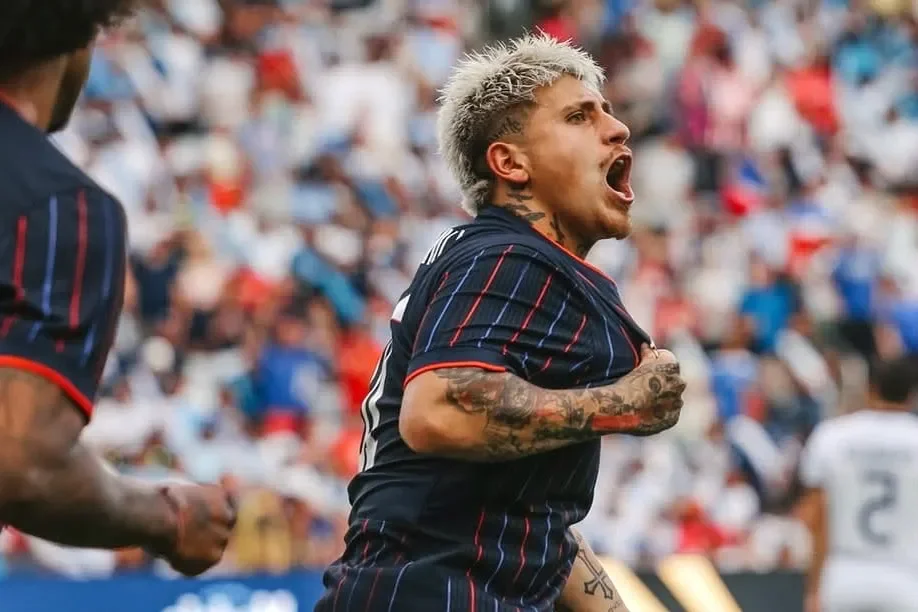
Diego Luna (Midfielder): Becoming Pochettino's right-hand man, Luna now has to prove that he can perform against top opposition. Scoring against Uruguay is a start, but the tougher challenges are yet to come. While he missed the March international break due to injury, Luna is a player whose stock rise due to others failing to step up.
And right now, we don’t even know what the system is—so how do you pick the players for it?
That’s like buying furniture before you know what house you’re moving into.
You might love the couch…
But it might not fit through the door.
Players on the bubble
Johnny Cardoso (Midfielder): he may have only gotten 45 minutes during camp before needing to return to his club earlier than expected, but Cardoso made enough of an impression that he'll be in the mix when it comes time to name the full World Cup squad.
Matt Turner (Goalkeeper): Turner is someone who will make it due to having World Cup experience and due to his leadership skills, but after struggling against Belgium, the race for the number one shirt feels over.
Miles Robinson (Defender): Holding down the Cincinnati defense, Miles Robinson is someone who Pochettino values in defense. He may not start many games, but Robinson has been among the first names that Pochettino looks to to close out matches, which is a valuable skill.
Auston Trusty (Defender): Celtic have had a tough season, going through three coaches, but Trusty has been at his best as of late and made an impact on the squad, starting against Portugal. It doesn't make him a lock to start for the squad, but he's absolutely in the mix.
Gio Reyna (Forward): Still struggling to start, or even play, for yet another club, Reyna is the most conflicting member of the squad. Based on everything that Pochettino has said about players needing to start and be at their best for clubs, you'd think that Reyna won't be in the running for the World Cup, but when he keeps making squads, he has to be considered here.
Tanner Tessmann (Midfielder): Thriving after his move to Lyon, Tessmann is someone who can fill multiple roles for the USMNT. He's gotten playing time as a defensive midfielder and as a centerback, versatility that could be key with the national team mixing things up tactically. After getting a start at center back, it feels like Tessemann has made it.
Ricardo Pepi (Forward): His assist against Belgium showed that Pepi didn't want to miss two consecutive World Cup squads. What you do in garbage time is important, and pressing hard to stop the opposition is just what Pepi did. Add that with his form at PSV, and it doesn't seem like Pepi will be left at home this summer.
Alex Freeman (Defender): After moving to Villarreal, Freeman is someone else struggling for playing time, but he's also learning a lot as he jumps from MLS to LaLiga play. Given that he puts in a shift every time that he is needed as a right back, there's no reason not to take him, especially when presumed starter Sergino Dest is also the second-string left back.
Max Arfsten (Defender): Able to play as a defender or essentially push up the pitch as a wide midfielder, Arfsten is another player who brings important versatility to the squad. Robinson may be the starter at left back, but it doesn't get much better as far as a change of pace option.
Brenden Aaronson (Midfielder): The top assister for Leeds United this season, it seemed like Aaronson didn't have much of a shot at making the World Cup squad, but his work rate and vision have kept him around the fringes. Only time will tell if that's enough, but Aaronson is doing enough to ensure that he's in the mix right now.
Chris Brady (Goalkeeper): A strong keeper for the Chicago Fire, Brady isn't in line to start World Cup games unless there is a significant injury to the keepers above him in the pecking order, but given that he continues to be called in as a keeper for training, he's in line for the role.
Mark McKenzie (Defender): A player with whom Pochettino has talked about the art of defending, McKenzie is someone who could be a surprise starter at the World Cup. He has settled in well since making the move to Toulouse in France, and as another player who is comfortable in a back three or a back four, this could be McKenzie's time.
Diego Luna (Midfielder): Becoming Pochettino's right-hand man, Luna now has to prove that he can perform against top opposition. Scoring against Uruguay is a start, but the tougher challenges are yet to come. While he missed the March international break due to injury, Luna is a player whose stock rise due to others failing to step up.
Sebastian Berhalter (Midfielder): The Vancouver Whitecaps man has quickly become one of the best players in the squad at delivering set plays. His play on the pitch needs improvement to truly be at a USMNT level at the World Cup, but if someone needs to deliver a free kick or a corner to change the outcome of a game, there are worse options.
Patrick Agyemang (Forward): Finding the back of the net for Derby County in the Championship, Agyemang is showing why Pochettino had faith in him. The forwards ahead of him are performing, so this is a tenuous spot, but with players like Haji Wright also being able to shift out wide, there's space for another out-and-out number nine, especially when Agyemang is the best forward in the air.
The Keeper Situation (A Quiet Storm)
Matt Turner gives up five.
Matt Freese emerges.
And suddenly, the most important position on the field is also the least settled.
That’s not ideal.
That’s like finding out your pilot is still deciding which plane he prefers.
2026 roster projection
Goalkeepers (3): Matt Freese (New York City FC), Matt Turner (New England Revolution), Chris Brady (Chicago Fire).
Defenders (10): Sergino Dest (PSV), Antonee Robinson (Fulham), Miles Robinson (FC Cincinnati), Chris Richards (Crystal Palace), Tim Ream (Fulham), Alex Freeman (Villarreal), Max Arfsten (Columbus Crew), Auston Trusty (Celtic), Mark McKenzie (Toulouse FC), Tim Weah (Marseille).
Midfielders (9): Weston McKennie (Juventus), Tyler Adams (Bournemouth), Diego Luna (Real Salt Lake), Brenden Aaronson (Leeds United), Sebastian Berhalter (Vancouver Whitecaps), Malik Tillman (Bayer Leverkusen), Johnny Cardoso (Atletico Madrid), Tanner Tessemann (Lyon), Gio Reyna (Borussia Monchengladbach).
Forwards (4): Christian Pulisic (Milan), Folarin Balogun (Monaco), Ricardo Pepi (PSV), Patrick Agyemang (Derby County).
Group D: Not a Nightmare… But Not a Free Pass
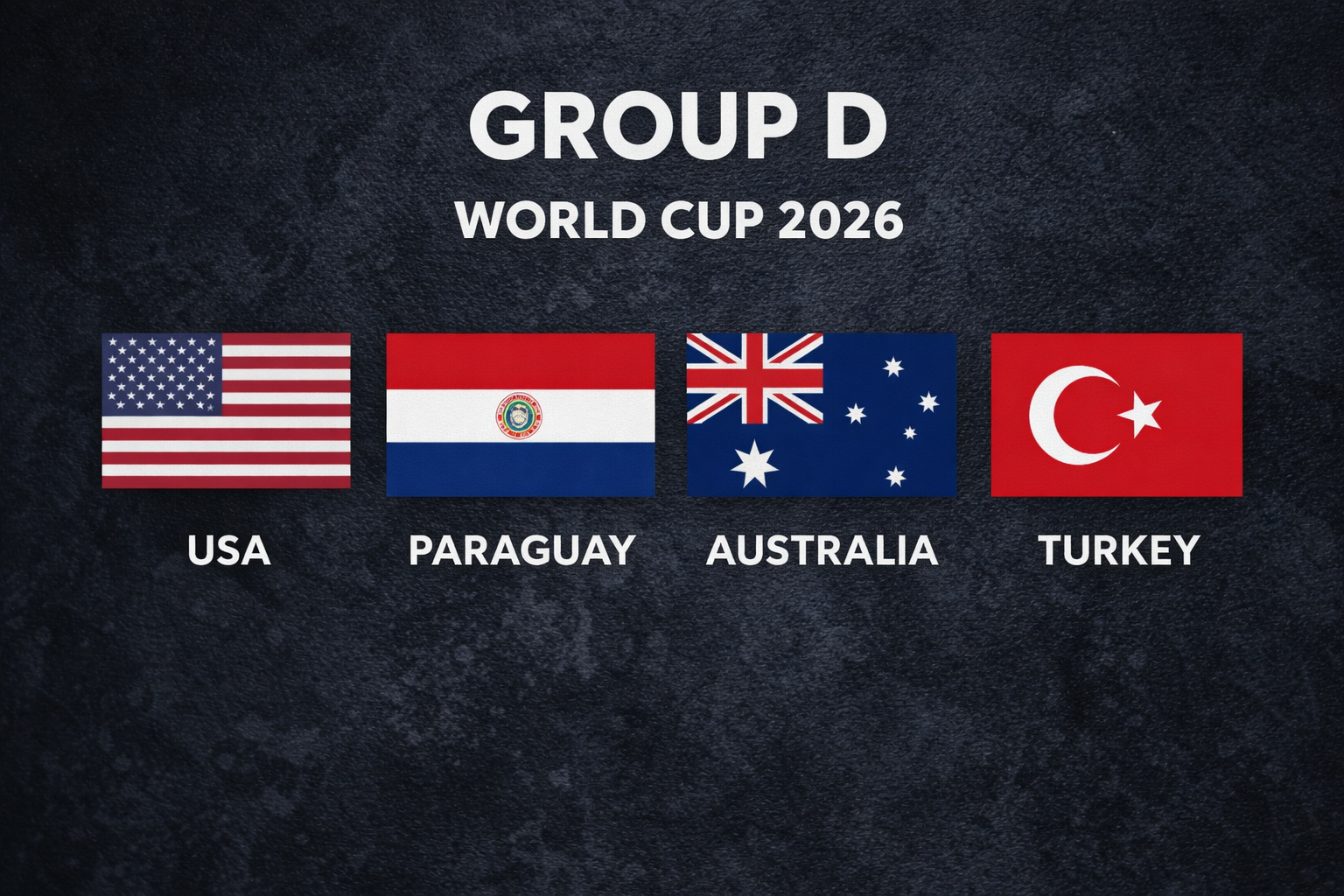
Let’s be clear.
This is not the “Group of Death.”
The U.S. should advance.
They might even win the group.
And most projections still say they will.
But here’s the part that should make you sit up a little straighter:
Groups don’t eliminate teams.
Performances do.
Because this group—Paraguay, Turkey, Australia—has one thing in common:
They will punish hesitation.
And right now, hesitation is exactly what the U.S. is showing.
The path is there.
But so are the trap doors.
Drop points early → pressure builds
Miss chances → confidence dips
Rotate too much → chemistry disappears
And suddenly, a group you were supposed to win becomes a group you’re trying to survive.
What Has to Change (And It Has to Change Now)
Two friendlies left.
That’s it.
No more experiments.
No more “let’s try this.”
No more “we’re close.”
This is where decisions get made.
1. Pick an Identity—and Commit
I don’t care if it’s a 4-2-3-1, a 3-4-3, or something Pep Guardiola scribbled on a napkin.
Pick it.
Train it.
Live with it.
Because right now, the team looks like it’s studying for a test it didn’t know was happening.
2. Put Players in Their Natural Roles
Pulisic is not a 9.
Let him be who he is.
Because when your best player is comfortable, your team is dangerous.
When he’s not?
You get what we just saw.
3. Demand a Full 90, Not Flashes
No more “we had good stretches.”
Nobody cares.
Elite teams don’t survive on stretches.
They control games.
And until the U.S. learns how to do that…
They’re going to keep learning the same lesson.
Over and over again.
So… What Happens at the World Cup?
Alright.
Let’s say it.
Because that’s why we’re all here.
If the World Cup started today…
What happens?
Here’s the honest answer:
The U.S. gets out of the group.
They have enough talent.
Enough quality.
Enough moments.
But once you hit the knockout rounds?
That’s when the tournament stops asking questions… and starts demanding answers.
Right now, this feels like a Round of 16 team.
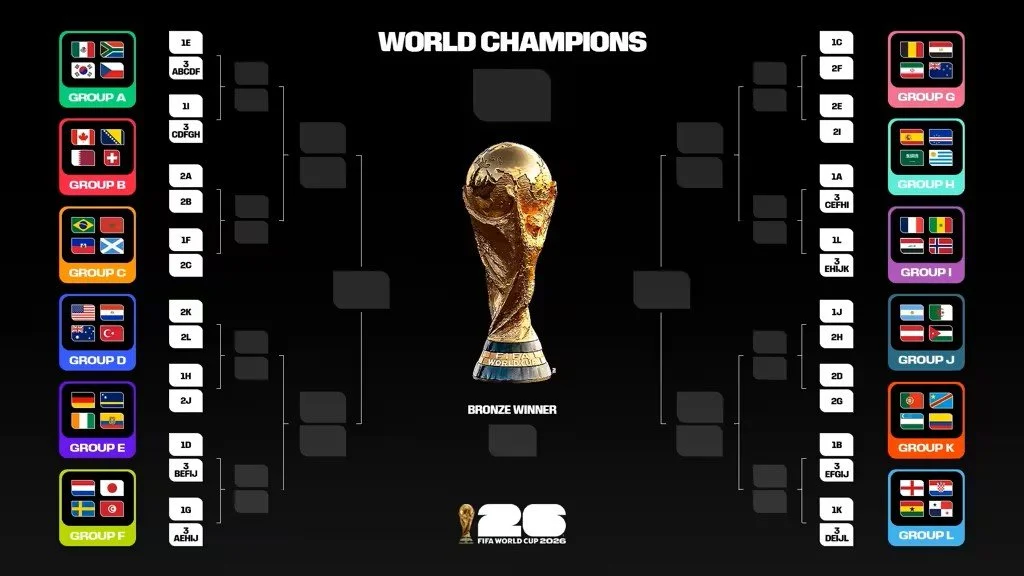
If you win the group—and that’s a big “if”—you’re likely staring at a third-place team from Groups B, E, F, I, or J. Translation? A matchup you should handle. Not easy, but manageable. The kind of game where talent and discipline should carry you through.
So let’s say you get it done.
You advance.
Now it shifts.
Round of 16… and here comes the Group G winner.
Most likely?
Belgium.
The same Belgium you hung with for a half… while not even playing your best. And maybe—just maybe—you convince yourself things are starting to click. The movement looks sharper. The chances look cleaner. You steal a moment, take your opportunity, and suddenly…
You’re in the Quarterfinals.
Now it’s real.
Now you’re talking about a Spain.
An England.
A Colombia.
Teams that don’t just play the game—they control it. Teams that don’t wait for mistakes—they force them.
And that’s where the truth shows up.
Because right now, this U.S. team isn’t walking into those matches thinking:
“We’re better than you.”
They’re walking in hoping they can prove it.
And that’s the difference.
They’re not there yet.
And that’s what makes this so frustrating.
Because you can see it.
You can feel it.
You can watch stretches of play and think—there it is… that’s the version of this team that can beat anybody.
But it doesn’t last.
Not yet.
They’re close.
Close enough to compete.
Close enough to believe.
Close enough to know that if they figure this out…
This isn’t just a good team.
This becomes something special.
Final Thought: This Is the Moment That Defines Them
Every great team has a moment like this.
A point where things wobble.
Where belief gets tested.
Where the easy narrative disappears—and something harder takes its place.
This is that moment.
For this group.
For this coach.
For this program.
Because right now, the U.S. isn’t being judged on what it could be.
It’s being judged on what it is.
And what it is… is unfinished.
But here’s the thing about unfinished teams:
They either fall apart…
Or they come together.
And the next two games?
They’re going to tell us which one this is.
Because the time for talking is over.
The time for “details” is over.
The time for figuring it out…
Is now.
No apologies. No backing down.
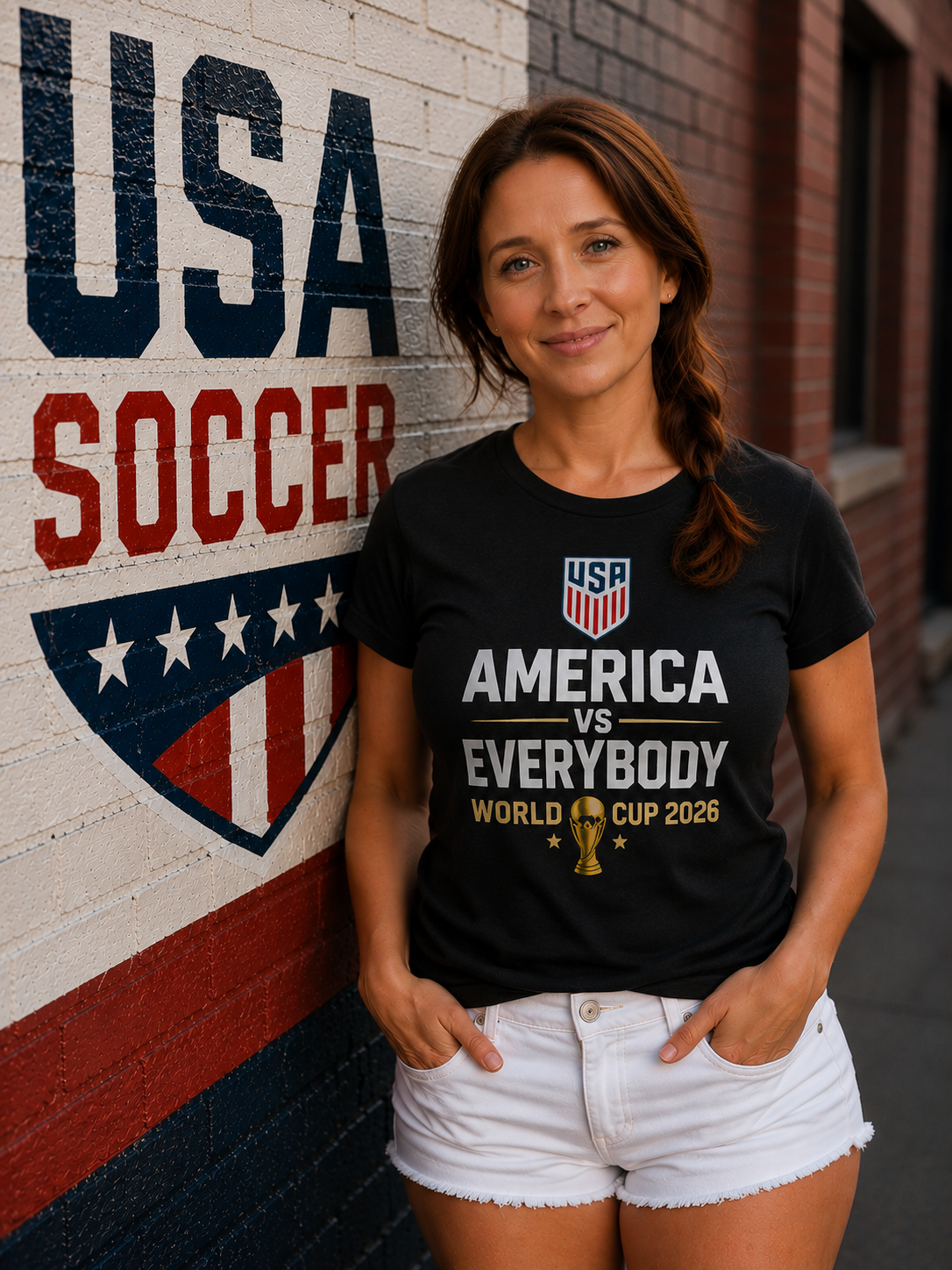
America vs Everybody.
And this time… it’s different.
The United States isn’t showing up just to compete—we’re showing up with a generation that’s been built for this moment. Fast. Technical. Fearless.
You’ve got pace on the wings, creativity in the midfield, and a core that’s been tested on the biggest stages in Europe. These guys aren’t hoping to belong anymore—they know they do.
And now it’s on home soil.
That matters.
The crowd. The energy. The expectation.
This is the kind of stage where teams either shrink… or rise.
We’re rising.
This shirt isn’t just something you wear—it’s what you believe. It’s the mindset of a team and a country that’s done waiting for respect.
Because when it’s USA… it’s always us against them.
Featuring a bold, clean design with the USA crest, sharp white lettering, and gold World Cup-inspired finish, this tee delivers a premium look with a message that hits.
Premium fit and feel
High-contrast design for black tees
Clean, athletic style with an edge
Built for game days, watch parties, and everyday wear
And as always, part of the proceeds go toward causes that matter.
2026 isn’t about showing up.
It’s about taking over.