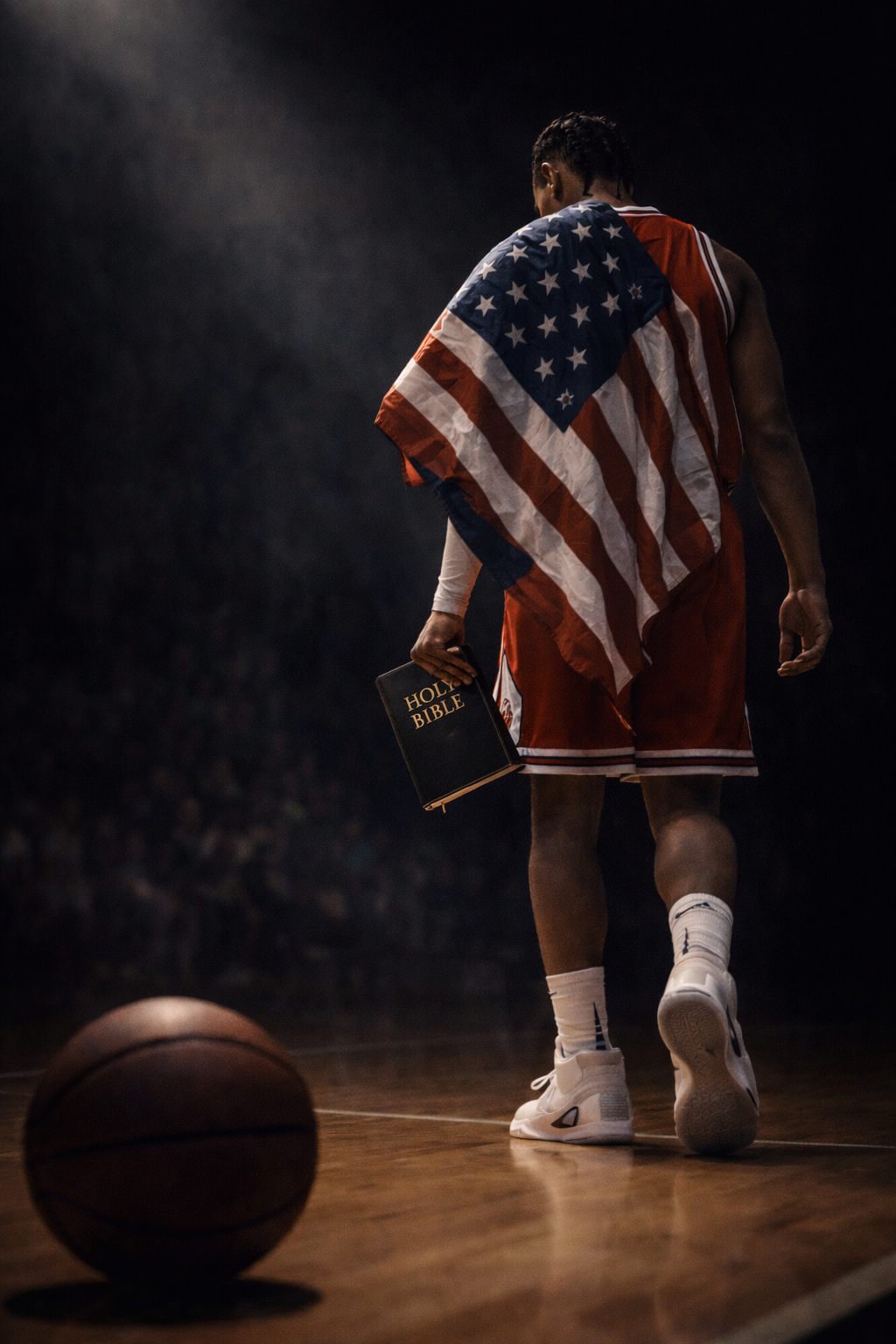
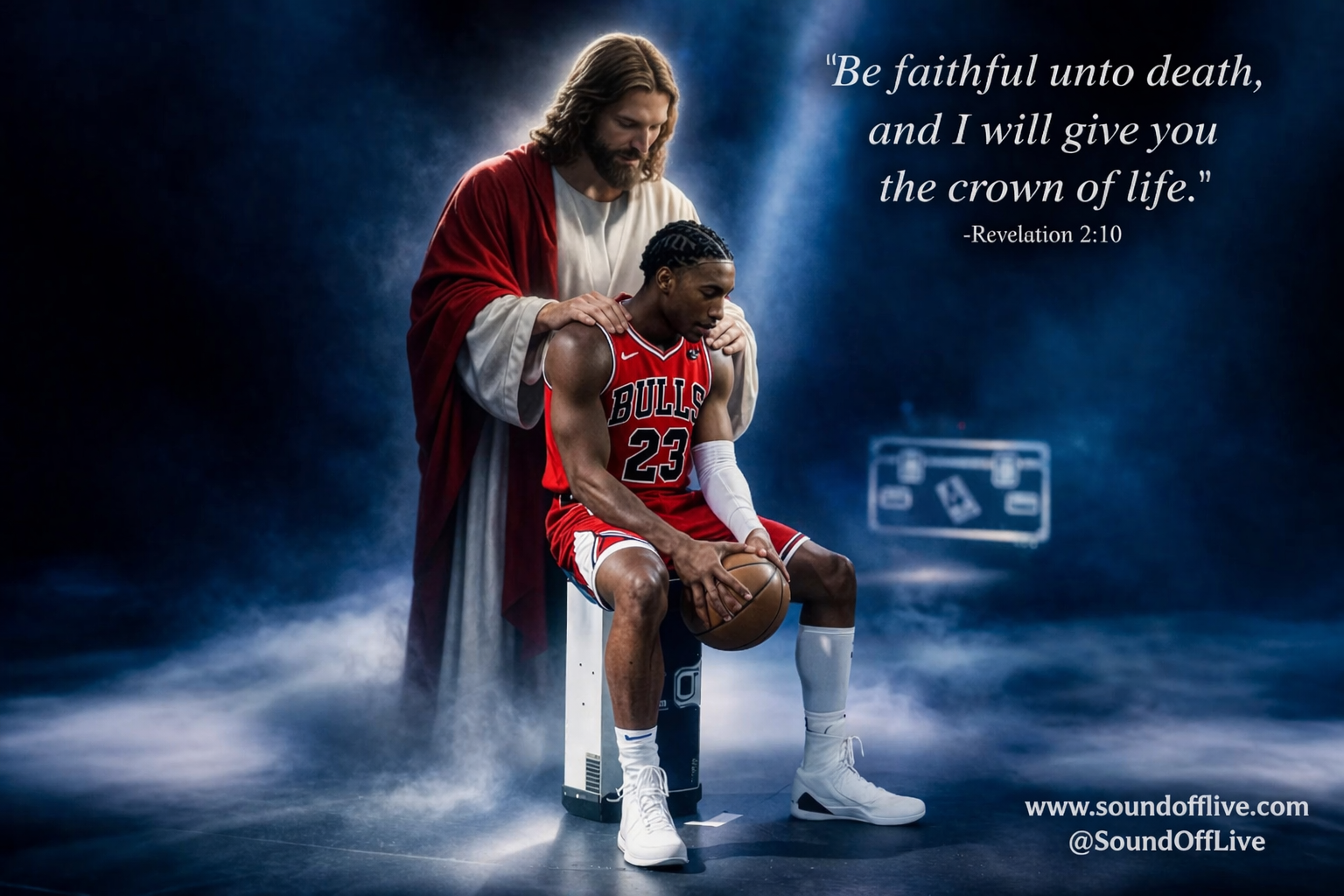
Faith Under Fire: Jaden Ivey, the NBA, and a Culture That No Longer Tolerates Christian Conviction
By: Ryder Knox
In today’s America, a line is being drawn—and for many, it’s becoming increasingly clear which side of that line faith now falls on.
The recent situation involving NBA player Jaden Ivey is not just a sports story. It is a cultural moment—one that raises serious questions about religious freedom, consistency, and the direction of a country that once boldly declared itself “One Nation Under God.”
Ivey’s situation began not with protest, disruption, or defiance of team play—but with a social media post. A personal expression of belief. He questioned whether the NBA’s celebration of Pride Month aligned with what he described as righteousness. No walkouts. No locker room divide. No refusal to compete. Just words.
And for that, he was removed from the Chicago Bulls organization.
The Bulls cited “conduct detrimental to the team,” aligning their decision with league values around inclusion. Additional claims surfaced—he was “too preachy,” spoke too much about Jesus, and created discomfort in the locker room.
But Ivey pushed back publicly:
“My conduct was not detrimental to the team… I did exactly what the coach asked me to do… It is strictly because I spoke the truth of the word of God.”
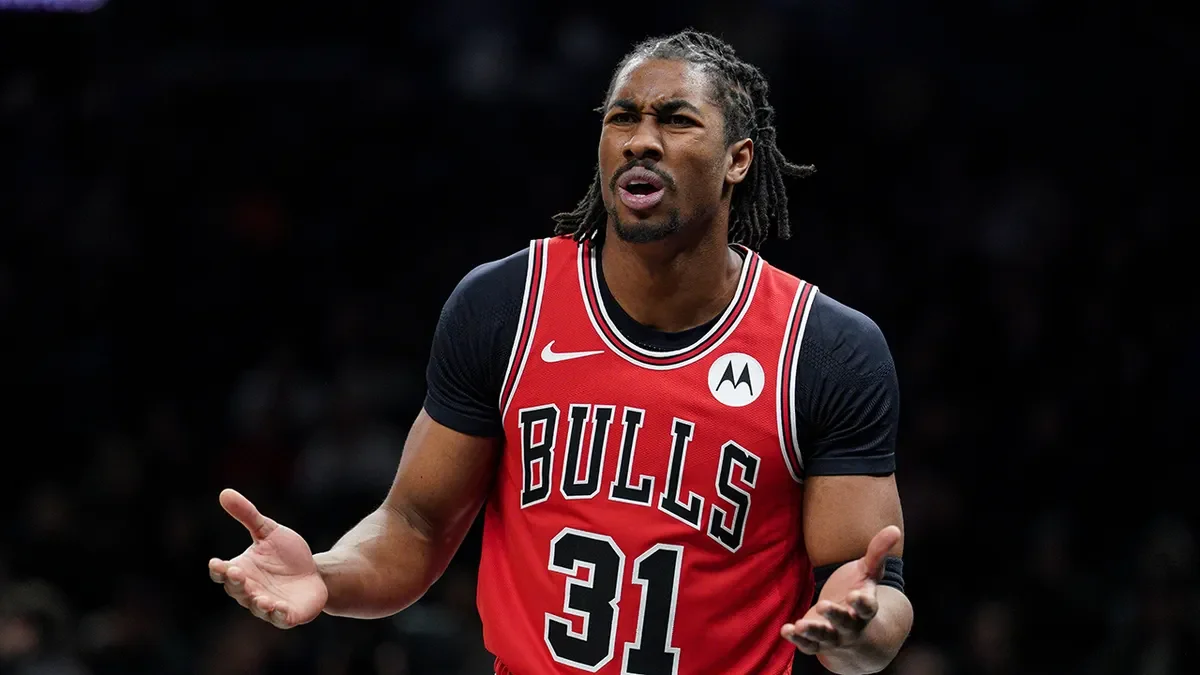
Jaden Ivey of the Chicago Bulls during the game against the Brooklyn Nets at Barclays Center on Feb. 9, 2026, in New York City. (Evan Bernstein/Getty Images)
Let’s be clear—he was not cut from the NBA entirely. His contract is still being honored. But he has been removed from participation and banned from future team involvement. And somehow, we’re supposed to believe that means everything is fine.
That logic doesn’t hold.
Getting paid doesn’t mean you weren’t pushed out. It just means they didn’t want the legal fight that comes with making it obvious.
Even critics have tried to minimize the situation. Commentators like Damon K. Jones suggested that since Ivey is still receiving his contract, there’s no real issue. It’s just business, there is no crying in business!? But that argument misses the point entirely. The issue isn’t the money—it’s the message.I ask this question, If Jaden Ivey as a muslim, and everything he said had mohammed’s name in it instead of Jesus. Would he still have been fired? If you say yes, you’re under a rock.
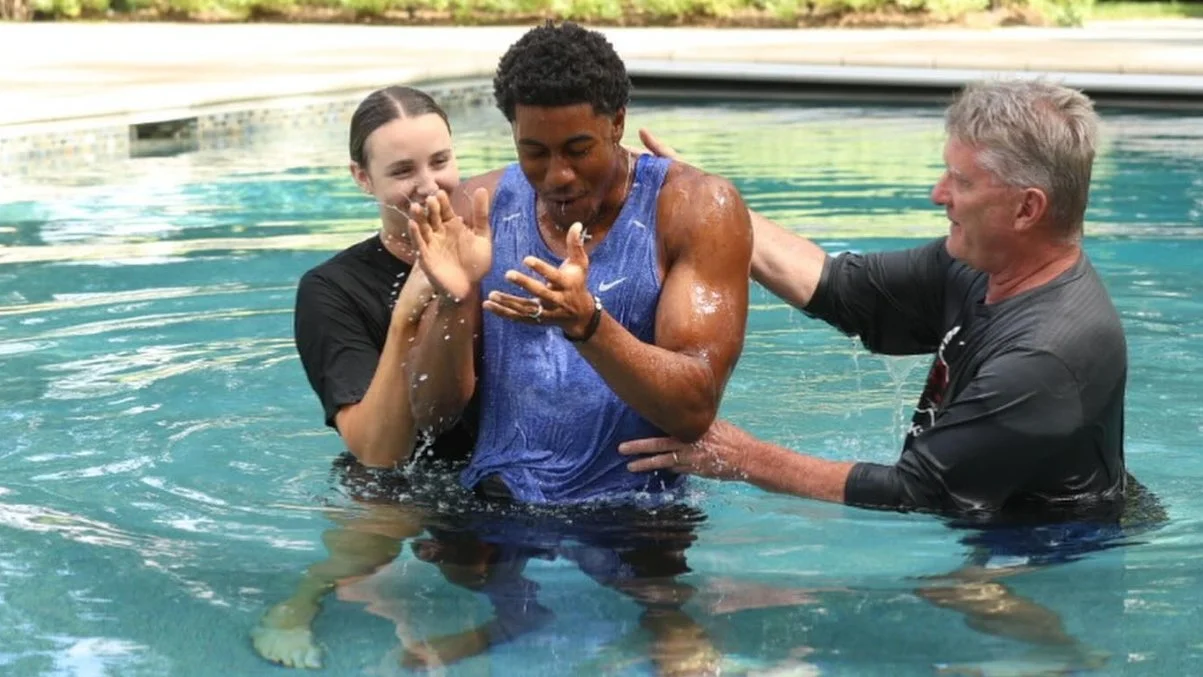
(Photo courtesy of Instagram/@poisonivey)
And the message is this: certain beliefs are no longer welcome.
What makes this moment even more striking is the broader cultural context. In today’s America, we see public accommodations, celebrations, and even state-level recognition for other belief systems and ideologies. Entire streets shut down for public prayer. Government leaders (North Carolina Governor) formally recognize religious observances like Ramadan. And yet, when a Christian speaks openly about biblical truth, it becomes a problem.
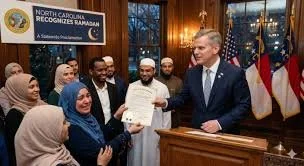
North Carolina Governor Josh Stein officially recognized the month of Ramadan in 2026, marking the holy month of fasting, reflection, and community service for the state's more than 130,000 Muslim residents.Approximately 1.16% of North Carolina's total population.
In Texas, back in September of 2025, there was a moment that felt like a return to something foundational—public school classrooms displaying the Ten Commandments. For many, it was a quiet but powerful reminder of the values this country was built on. But by October, they were gone. Removed.
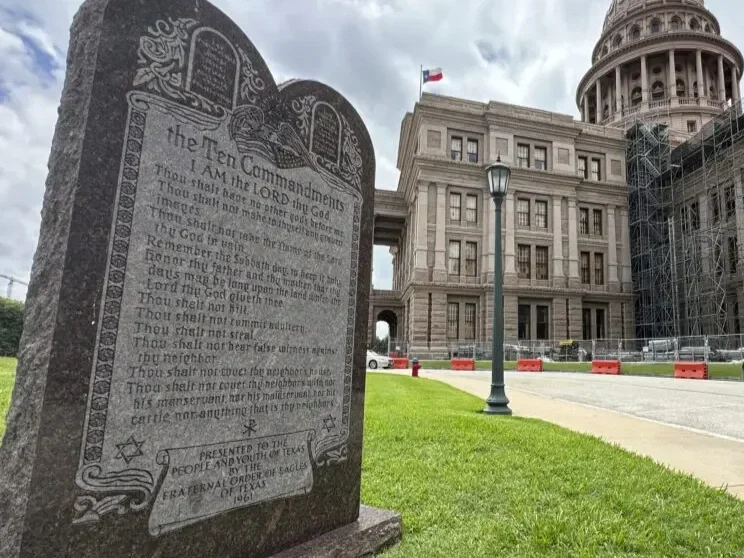
The Ten Commandments outside the Capitol, Thursday, June 20, 2024, in Austin, Texas.
At the same time, designated spaces in school hallways were being set aside for prayer and fasting during Ramadan—spaces that all other students were expected to respect and accommodate.
Let that settle for a second.
This isn’t speculation. This isn’t exaggeration. This is happening.
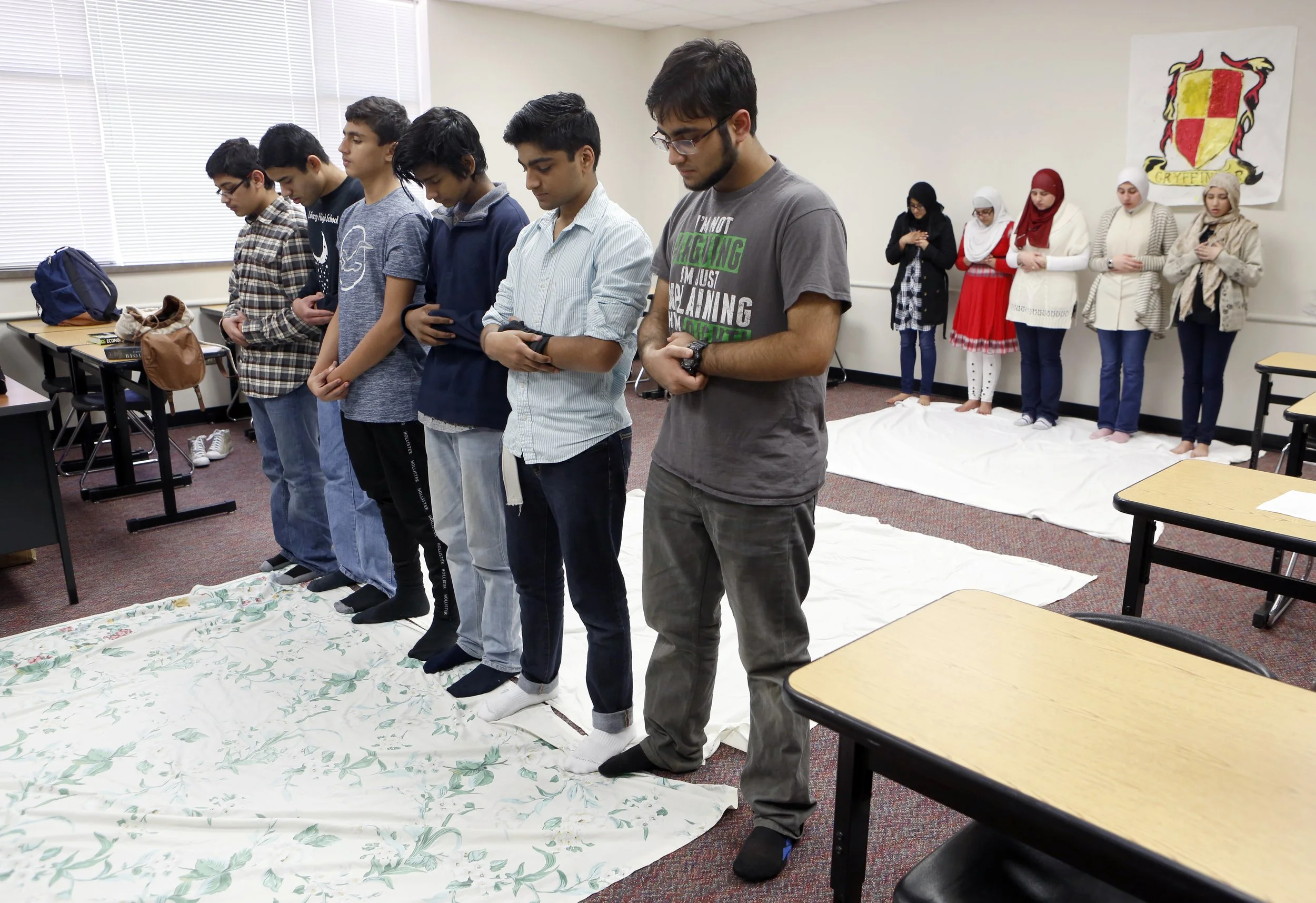
Prayer Rooms Are One Way Public Schools Accommodate Students And Freedom of Religion- Houston Public Media
And it forces a hard but necessary question—what exactly are we calling “equality” today?
Because this doesn’t look like equality.
It looks like selective tolerance.
For those of us who grew up in this country, the shift is undeniable. We were raised learning about the Holocaust—about the consequences of hatred left unchecked, especially toward the Jewish people. We were taught that America stood apart. That we were a nation united under God. That we stood with Israel after the horrors of the Holocaust. That after 9/11, we didn’t fracture—we came together as one.
There was a shared identity. A shared foundation.
Now, that foundation feels like it’s being rewritten.
We are watching a rise in antisemitism that many never thought they would see in their lifetime. At the same time, Christianity—the very faith that shaped much of this nation’s moral framework—is increasingly treated as something that needs to be toned down, filtered, or pushed aside altogether.
Not celebrated. Not protected. Managed.
And that reality should concern more than just people of faith.
Because this isn’t just about religion—it’s about truth, consistency, and the kind of country we are becoming.
This isn’t the America many of us grew up believing in.
And it’s certainly not the one generations sacrificed to preserve.
And that’s exactly why what’s happening to Jaden Ivey matters.
Because his situation isn’t isolated—it’s a reflection of this shift. A man openly living out his faith, speaking what he believes to be truth, and being pushed aside for it. Not for his performance. Not for his effort. But for his convictions.
When you step back and look at the bigger picture, it becomes clear—this isn’t just about one player, one team, or one league.
It’s about whether there is still room in this country for someone to stand firm in their faith without being told to sit down.
There was a time when the NBA didn’t just showcase talent—it reflected character, discipline, and something deeper than the game itself. The Tim Duncan-era San Antonio Spurs (1997–2016) were the gold standard of that. This wasn’t a team built on ego, flash, or individual branding—it was a team grounded in humility, accountability, and, for many of its leaders, a genuine Christian faith that shaped the culture from the inside out.
David Robinson set that tone early. Known as “The Admiral,” he wasn’t just a Hall of Fame player—he was a vocal, unapologetic Christian who mentored younger players and led with integrity. When Tim Duncan arrived, that foundation didn’t just stay—it strengthened. Duncan, a quiet but deeply committed Christian, believed his purpose went beyond basketball. He lived it through consistency, humility, and a refusal to chase the spotlight.
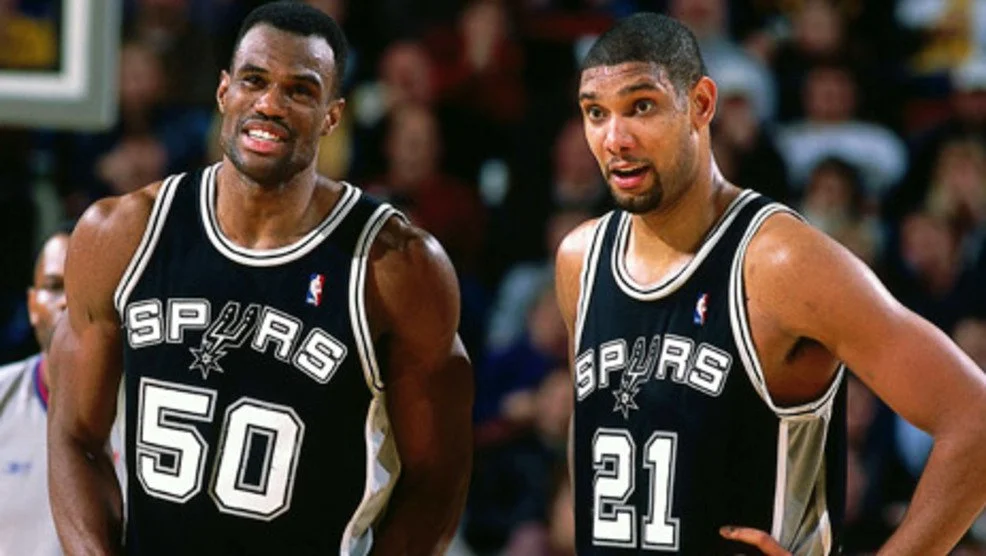
But this wasn’t just about two players—it was a locker room that bought in.
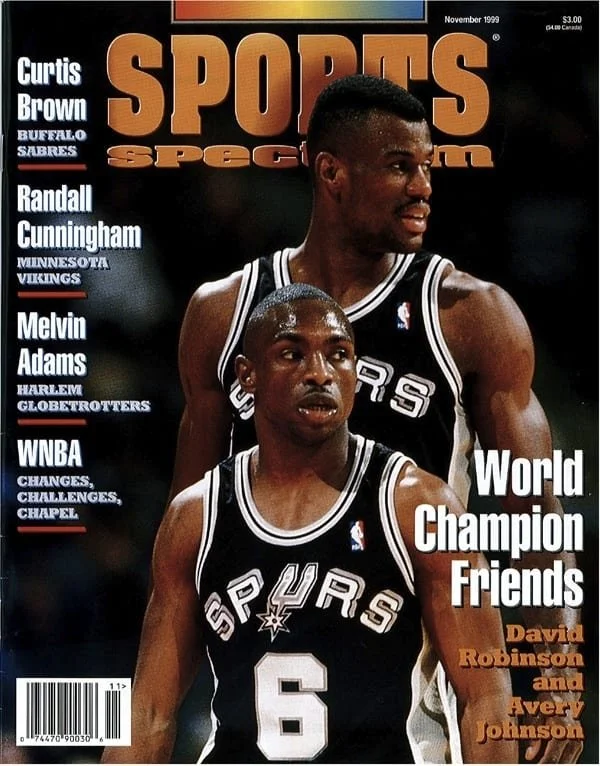
Avery Johnson wasn’t just running the offense—he was one of the spiritual voices in that locker room. Sean Elliott, who fought through serious health battles, lived out perseverance and faith in a way that earned respect across the league. And as the dynasty grew, international stars like Manu Ginóbili and Tony Parker didn’t just fit in—they bought all the way in to a system built on sacrifice, trust, and playing for something bigger than themselves.
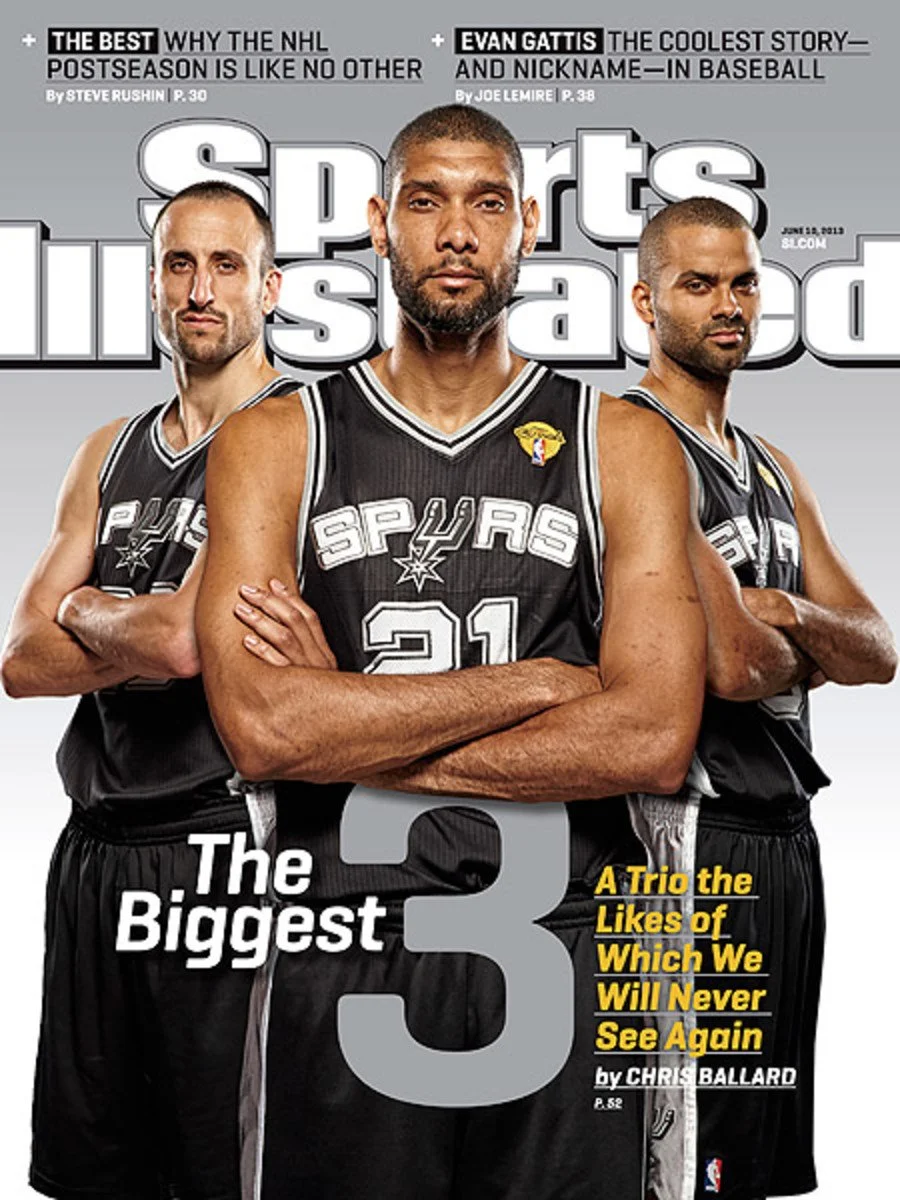
And here’s the part people forget—that system wasn’t just X’s and O’s. It was identity.An Identity that started with Avery Johnson and David Robinson. Johnson had trusted Jesus Christ as Savior on July 16, 1989 after hearing a sermon about Jesus’ second coming. Robinson, on the other hand, was still riding the fence about a total commitment to Christ. It wouldn’t be until June of 1991 that David would accept.
This was a team holding Bible studies before games. On the road, guys kept each other accountable—not just for basketball, but for how they lived. Imagine that today—NBA players keeping each other accountable spiritually. Now we can barely get guys to pass the ball twice before shooting, and back then they were checking each other on life decisions.
Even Coach Gregg Popovich—whatever his personal beliefs—respected it. He didn’t fight it, didn’t silence it, didn’t try to rebrand it. He allowed it. Stories of the team going to churches after championships weren’t some PR stunt. That was who they were. They won, and their first instinct wasn’t “let’s hit the club”—it was “let’s go give thanks.” Different mindset. Different foundation.
And maybe that’s what made it so powerful—it wasn’t forced.
There were no headlines about it. Of course not—the media wasn’t lining up to promote a locker room full of guys talking about faith, accountability, and God. That doesn’t sell the way controversy does. No agenda. No pressure. Just men living what they believed. They weren’t loud about it—they were consistent about it. And that consistency made them role models.
So here’s the honest question—would Jaden Ivey have been pushed out of that locker room?
Because if we’re being real, he hasn’t said anything those guys didn’t already believe and live out. The difference isn’t the message. The difference is the era.
That version of the NBA felt different. It felt grounded. It felt authentic. It felt like something young athletes could look up to—not just for how to play the game, but how to carry themselves as men.
Now? You almost want to call Avery Johnson up and ask him how a “Pride Night” conversation would’ve gone in that locker room. My guess—it wouldn’t have ended with someone getting shown the door for quoting their faith.
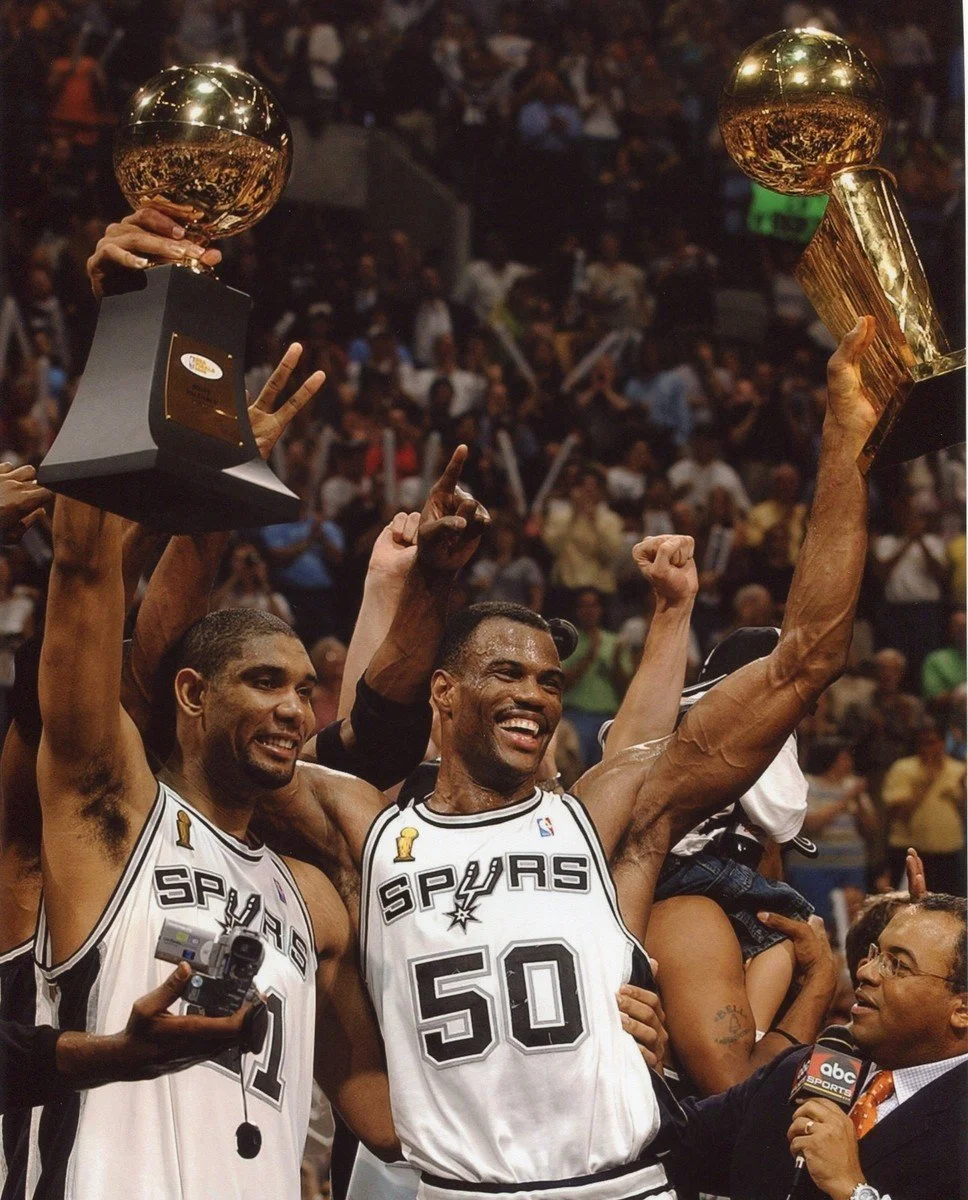
And when you stack that era up against what players like Jaden Ivey are dealing with today—where simply speaking openly about your beliefs can cost you your place—it’s not even a close comparison.
Meanwhile, Ivey’s so-called “pattern of behavior” has been used to justify his removal. What are those behaviors? Statements like, “Jesus is going to have to heal my knee,” or acknowledging that fornication before marriage is wrong. He spoke openly about his past sins (which were bad, but takes courage) and shared views consistent with historic Christian teaching towards Catholicism.
That’s now considered controversial.
For many Americans, that realization is more shocking than anything Ivey said.
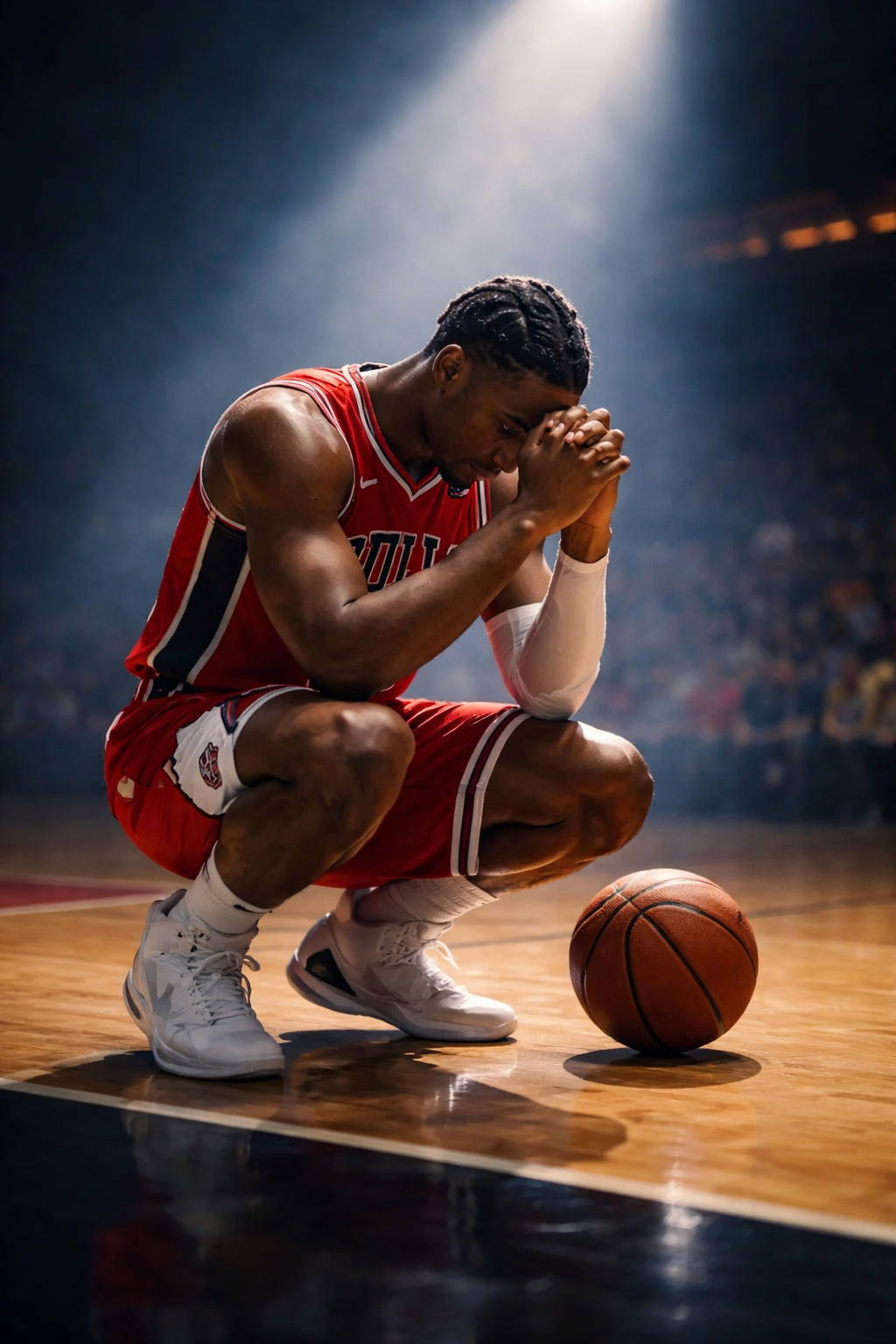
Legally, the situation exists in a gray area. The First Amendment protects against government persecution, not private employers. Organizations like the NBA can enforce policies tied to branding and public image. If an employee’s speech is deemed harmful to that image, action can be taken.
But legality does not equal morality.
And it certainly doesn’t mean it’s right.
Scripture warned that moments like this would come. Jesus said in Matthew 24:9, “You will be hated by all nations because of My name.” In Luke 21:16, He warned of betrayal—even among those closest to us. And in Matthew 24:12, He described a time when “lawlessness will abound, and the love of many will grow cold.”
We are not at the peak of that prophecy—but it is difficult to ignore the direction. It’s difficult to say that steps are not walking that way.
Still, the response for believers is not fear. It is endurance. It has to be.
“By your endurance you will gain your lives” (Luke 21:19).
And that is where Ivey’s story becomes something more than controversy—it becomes conviction.
Because in a world where silence is rewarded and truth is labeled disruptive, standing firm carries a cost.
And maybe that’s the real issue.
We’ve somehow reached a point where you can say anything you want—just as long as it doesn’t come from the Bible. That’s about the only book left that still gets you in trouble.
Jaden Ivey didn’t lead a protest. He didn’t divide a locker room. He didn’t abandon his team. He didn’t take a knee during our anthem or before our flag.
He spoke what he believes to be truth.
"They proclaim Pride Month in the NBA," he said. "They proclaim it. They show it to the world. They say come join us for Pride, for Pride Month to celebrate unrighteousness. They proclaim it. They proclaim it on the billboards. They proclaim it in the streets. Unrighteousness. So how is it that one can't speak righteousness? - Jaden Ivey
And in today’s culture, that alone was enough. Well, Jaden, I say Amen. Because you are exactly right to ask that question.
The question now isn’t just about one player or one organization.
It’s about a nation.
Are we still a place where faith can be spoken freely? Or are we becoming a place where it must be hidden to be tolerated?
Because if it’s the latter—then this isn’t just Jaden Ivey’s story.
It’s a warning….and you can read about that warning in Revelations.