How FIFA Is Turning the 2026 World Cup Into a Paywalled Experience
By Ryder Knox, Sound Off Insiders
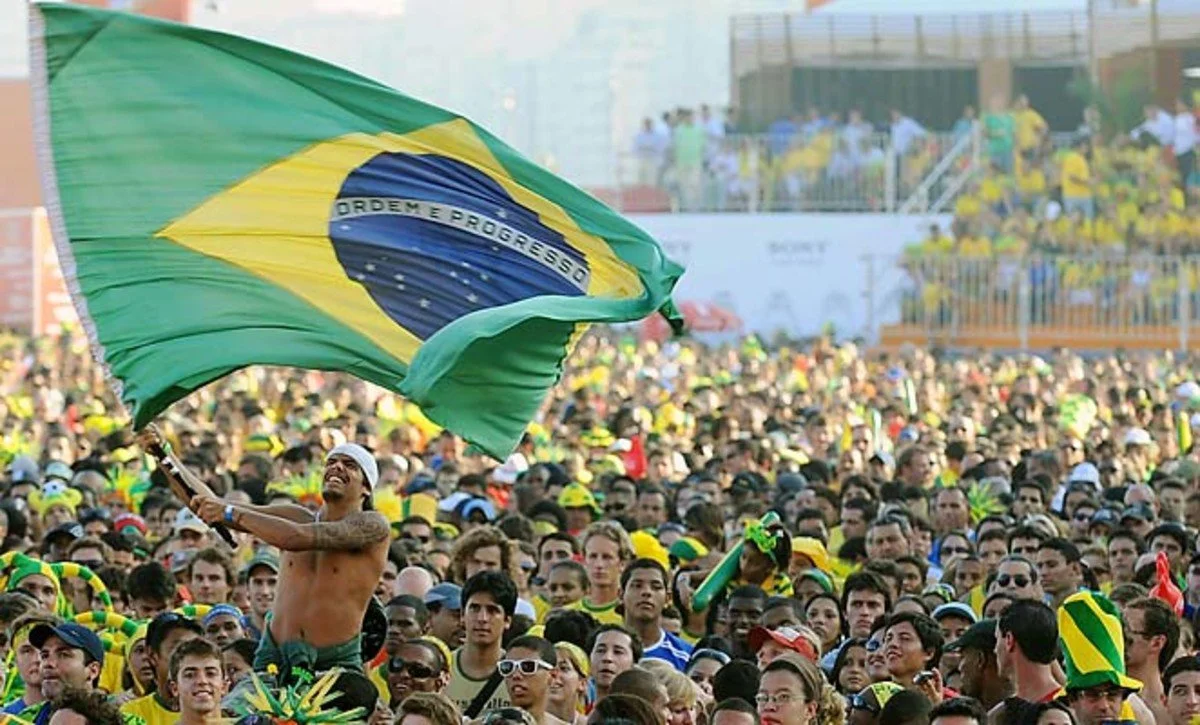
For decades, the World Cup has sold itself as something more than a tournament. It is a traveling festival—equal parts sport, culture, and shared human experience—where fans gather in streets, bars, trains, and parking lots long before kickoff.
But as the 2026 edition approaches in the United States, Canada, and Mexico, that vision is colliding with a different reality: a tournament increasingly defined not by access, but by restriction.
In the last six months, criticism of FIFA’s handling of the event has moved beyond isolated complaints. What has emerged instead is a consistent narrative across media, policy discussions, and supporter groups—that the governing body is transforming the World Cup into a tightly controlled, heavily monetized product that risks alienating the very fans it depends on.
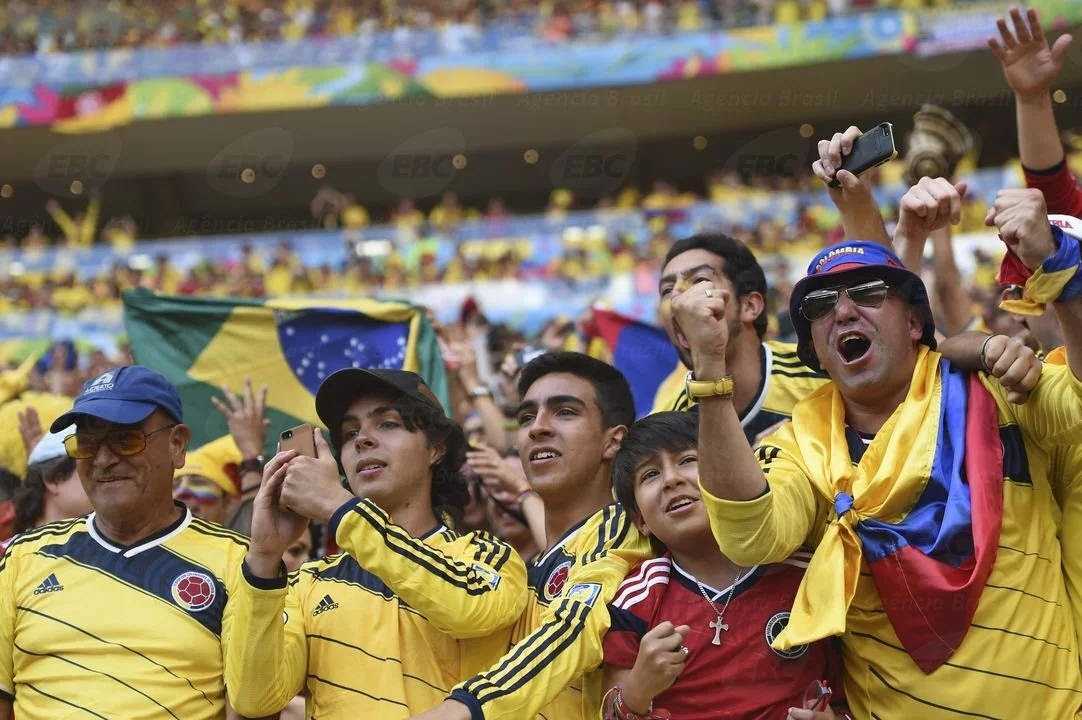
The Disappearance of Pregame Culture
Few decisions have confused—and honestly impressed—fans quite like the quiet elimination of the pregame experience. Not the game itself… just everything that makes you care about the game.
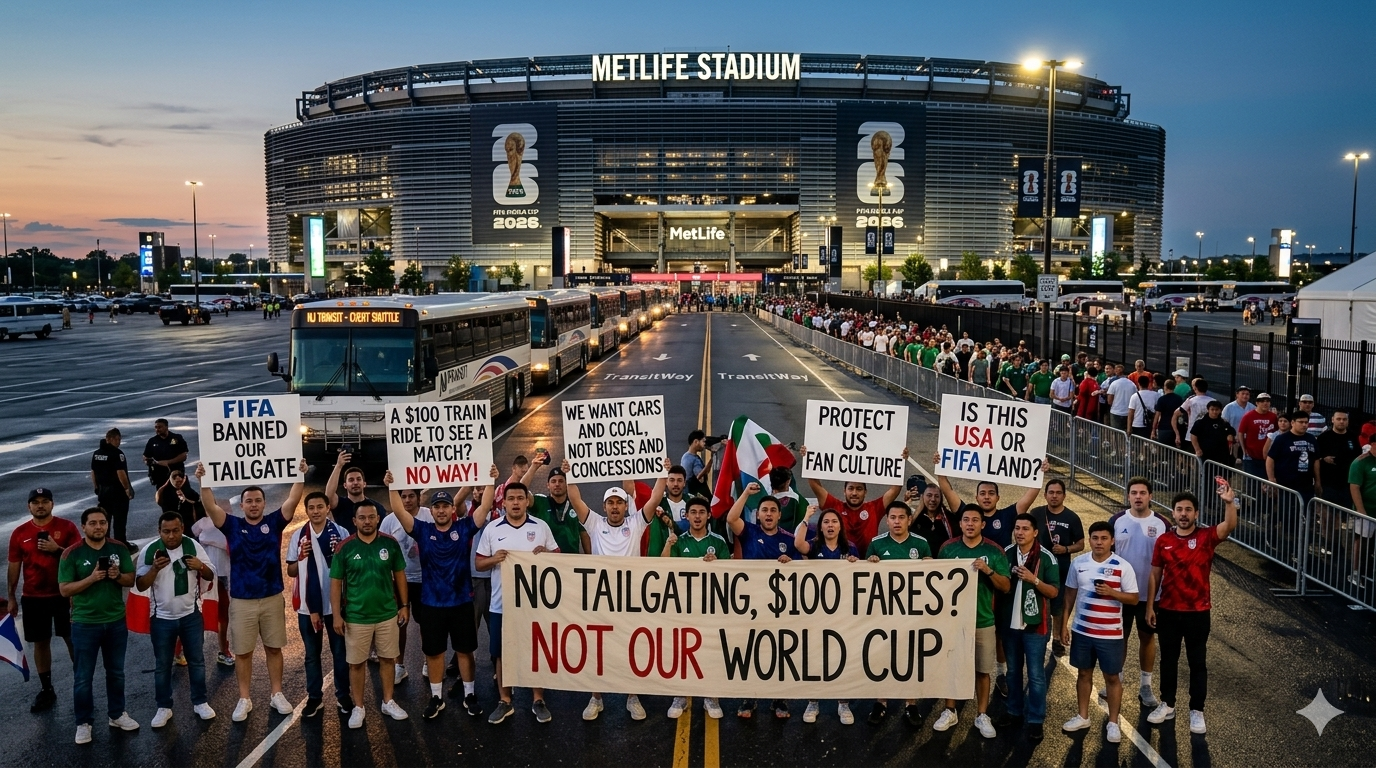
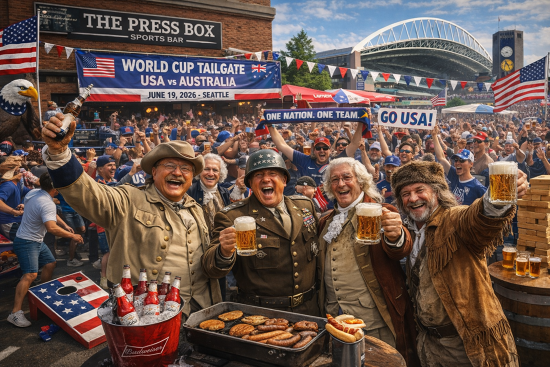
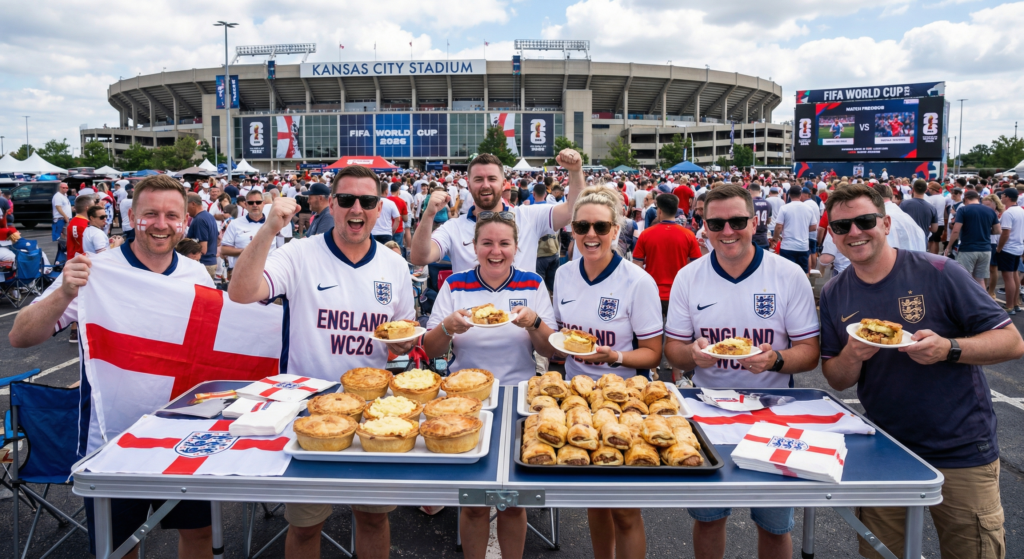
Across multiple U.S. host cities, fans are now being told there will be no tailgating at the World Cup. None. Which is bold, because that’s not just a tradition here—that’s basically the sport before the sport. At Gillette Stadium, they’ve gone ahead and clarified it for us, just in case we didn’t understand: no eating, no drinking, no hanging out around your car. So… no tailgating. Appreciate them clearing that up.
Instead, fans are encouraged to attend a “Stadium Fan Experience,” which sounds fun until you realize it just means you can hang out… but only if you already paid to get in. So we’ve officially taken something that used to be free and said, “What if we put a fence around it and charged admission?”
Thanks…..FIFA. I mean, we already see NFL teams doing this, but at least they give you a choice.
And if you’re thinking, “Well, I’ll just drive and figure it out when I get there,” not so fast. In the New York–New Jersey area, there’s no general parking at all. No tailgating, no hanging out, no pulling up early. You’re going to arrive exactly how they want you to arrive, at the time they want you there, probably after paying $100 to get within shouting distance of the stadium.
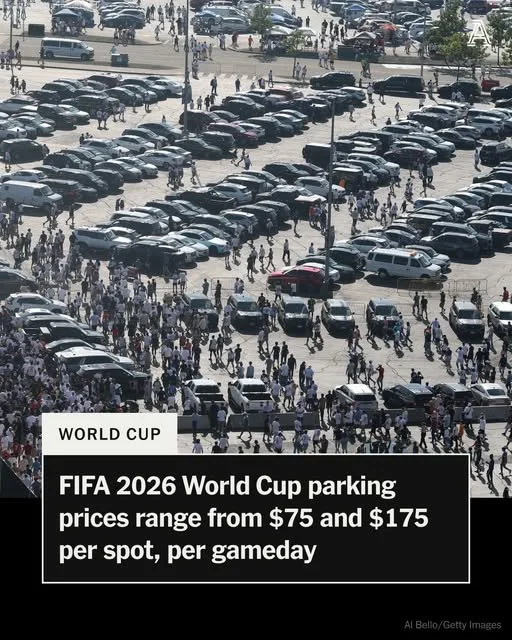
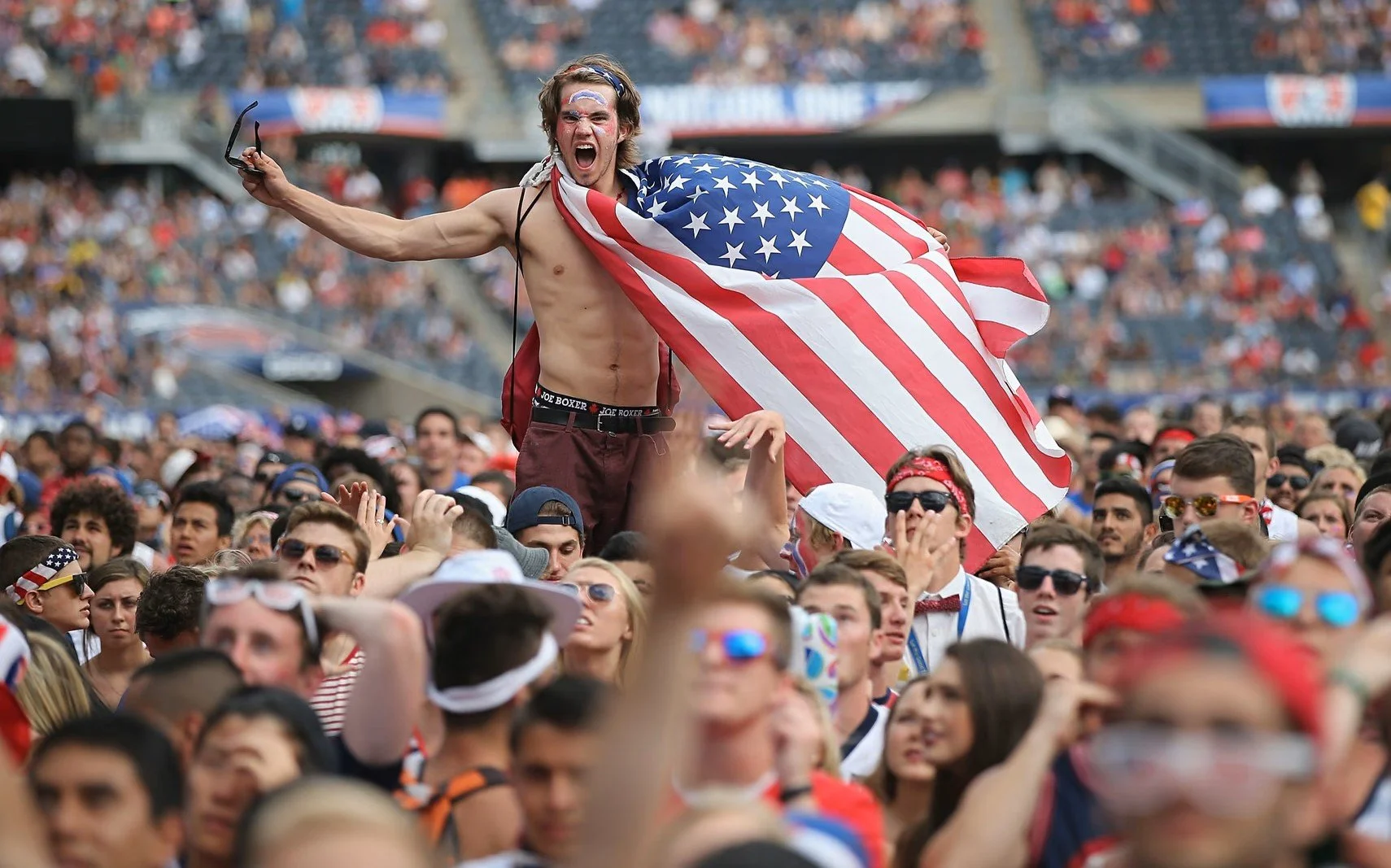
It’s impressive, really. We’ve taken one of the most natural, spontaneous parts of sports—people meeting strangers, sharing food, trading scarves, yelling or singing songs (depends where you’re from) they barely know the words to—and turned it into something you need a ticket, a schedule, and a permission slip to experience.
For fans who grew up on what the World Cup used to be, it doesn’t feel like an upgrade. It feels like someone looked at joy… and decided it needed a wristband.
A Second Paywall: Getting to the Game
Ticket prices have long been a point of contention, but for 2026, they are only part of the cost.
Transportation has emerged as a second barrier.
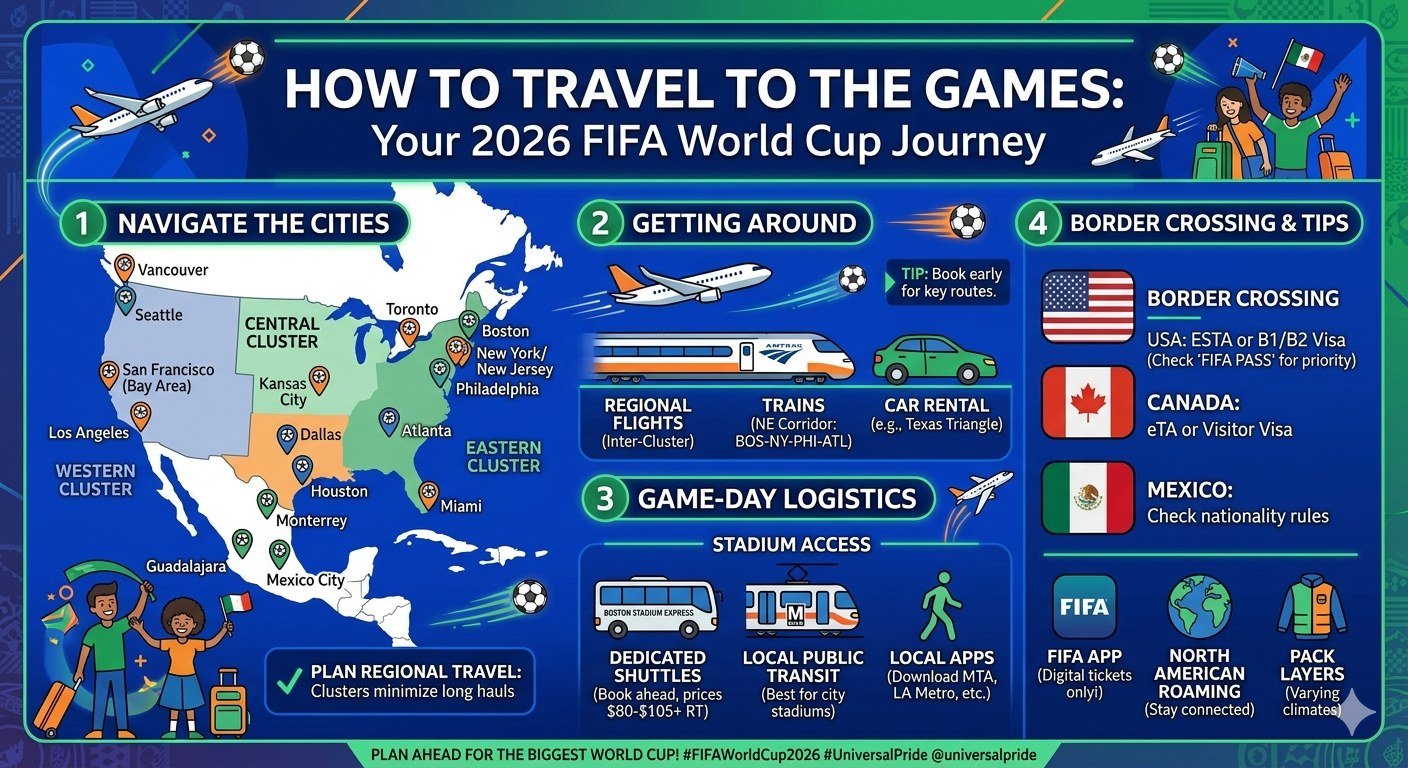
In Boston, official guidance places matchday transit options—rail and bus—at $80 to $95 round trip, available only to ticket holders.
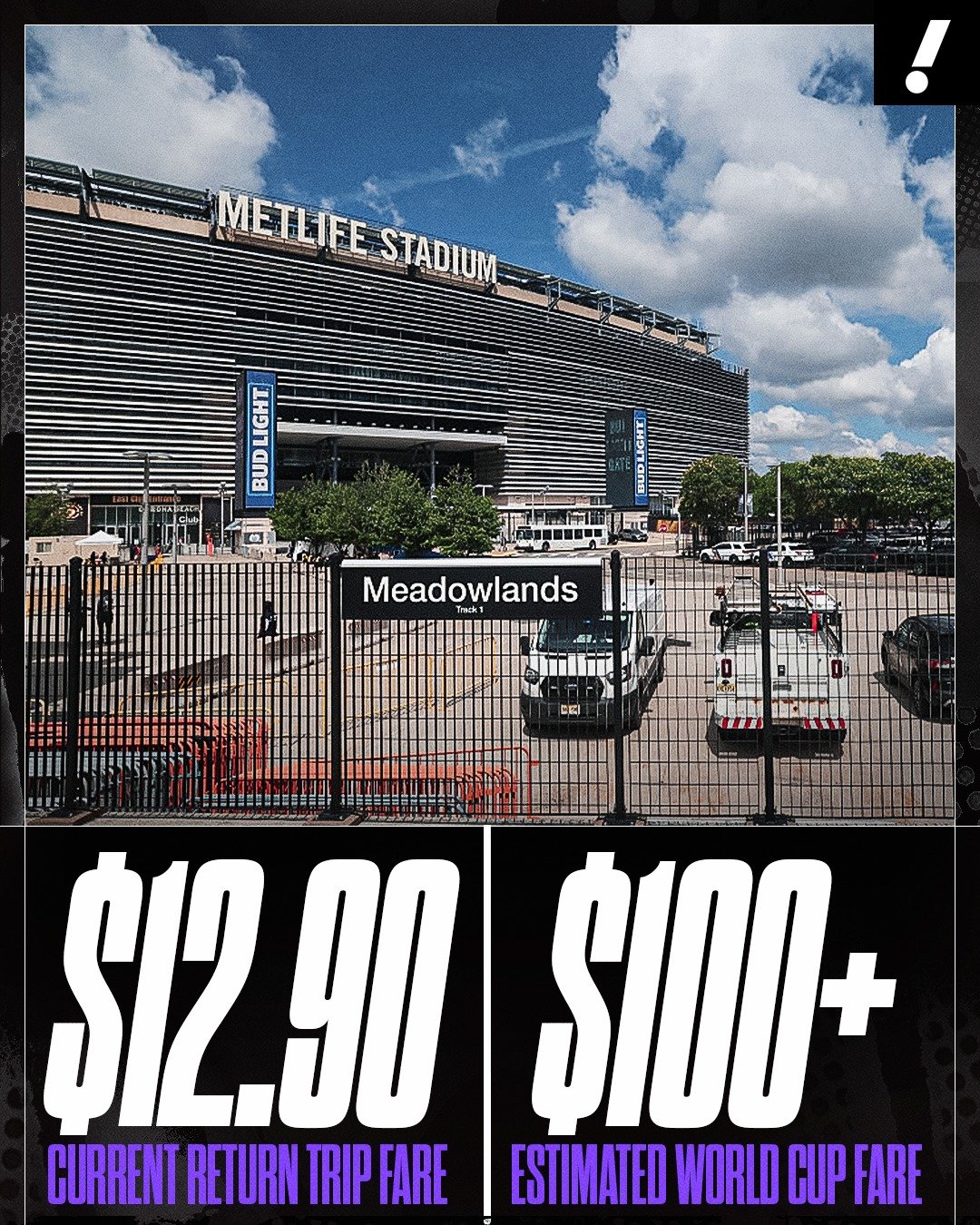
In the New York market, the controversy has been louder still. Plans under discussion would raise NJ Transit fares for matchday service from roughly $13 to more than $100, while also restricting parts of Penn Station to ticketed fans during key windows.
The message, intentional or not, is clear: access to the event is being layered—ticket first, then transport, then experience—each with its own cost and limitations.
Ticketing: Where Pricing Meets Perception
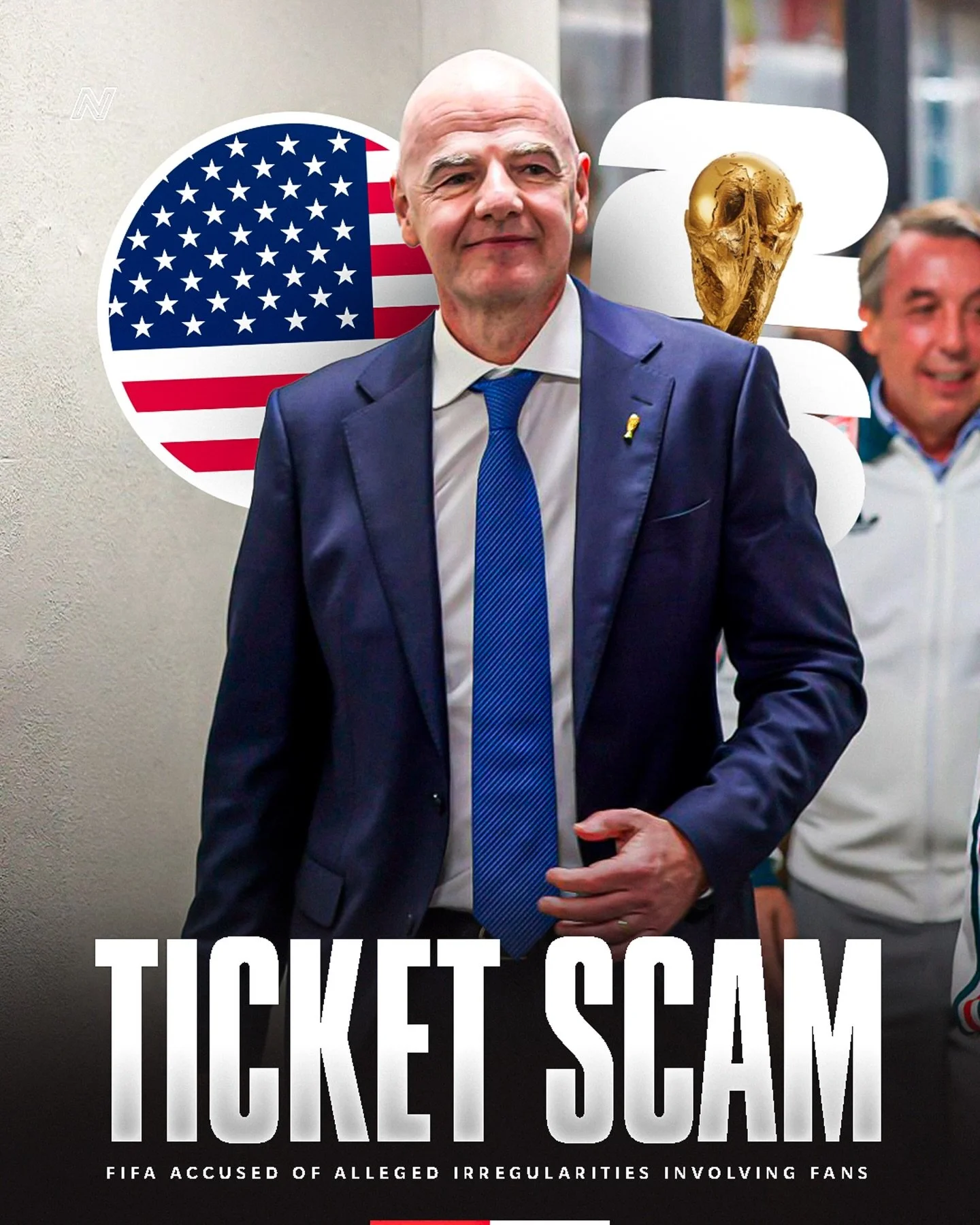
Nowhere is the tension between revenue and access more visible than in FIFA’s ticketing model.
Dynamic pricing has driven costs upward, particularly for premium matches. Reports indicate final tickets have climbed above $10,000 at face value, with resale listings reaching dramatically higher levels.
At the same time, fans have raised concerns about transparency. Seat assignments are not always finalized at purchase, and category structures have shifted mid-cycle, leaving some buyers uncertain about the value of what they secured.
Overlaying this is FIFA’s resale marketplace, where transaction fees—15% for buyers and another 15% for sellers—can allow the organization to capture up to 30% of a ticket’s value across a single exchange.
The model has drawn formal complaints in Europe, with consumer groups accusing FIFA of exploiting its position through pricing opacity and limited consumer protections.

Selling Access Before Selling Tickets
If the tightening of fan environments and rising costs have shaped the perception that FIFA is over-monetizing the 2026 World Cup, its newest ticketing innovation has pushed that concern into something more serious: the monetization of access itself.
Over the past year, FIFA, through its digital collectibles platform FIFA Collect, sold tens of thousands of so-called “Right to Buy” (RTB) tokens—digital assets that granted fans the opportunity to purchase World Cup tickets at a later date. The tokens themselves cost hundreds, and in some cases thousands, of dollars. They did not include the cost of the tickets.
For many buyers, the appeal was clear. The RTBs appeared to offer a pathway around the traditional lottery system and, in theory, access to face-value tickets in a high-demand market.

What they did not offer was clarity.
Buyers were not told:
What ticket categories would be available
What those tickets would cost
Or when, exactly, they would be able to convert their purchase into a seat
Instead, fans were asked to commit significant money upfront based on the promise of future access.
When details were finally revealed, the reaction was swift and overwhelmingly negative.
The vast majority of RTB holders learned they would only have access to Category 1 and Category 2 tickets—the most expensive tiers—while lower-cost options were effectively unavailable. Roughly 70 percent of available tickets fell into the highest price category, with only a negligible percentage in more affordable tiers.
For some, that meant paying thousands for access—only to be asked to spend thousands more for seats they had never intended to buy.
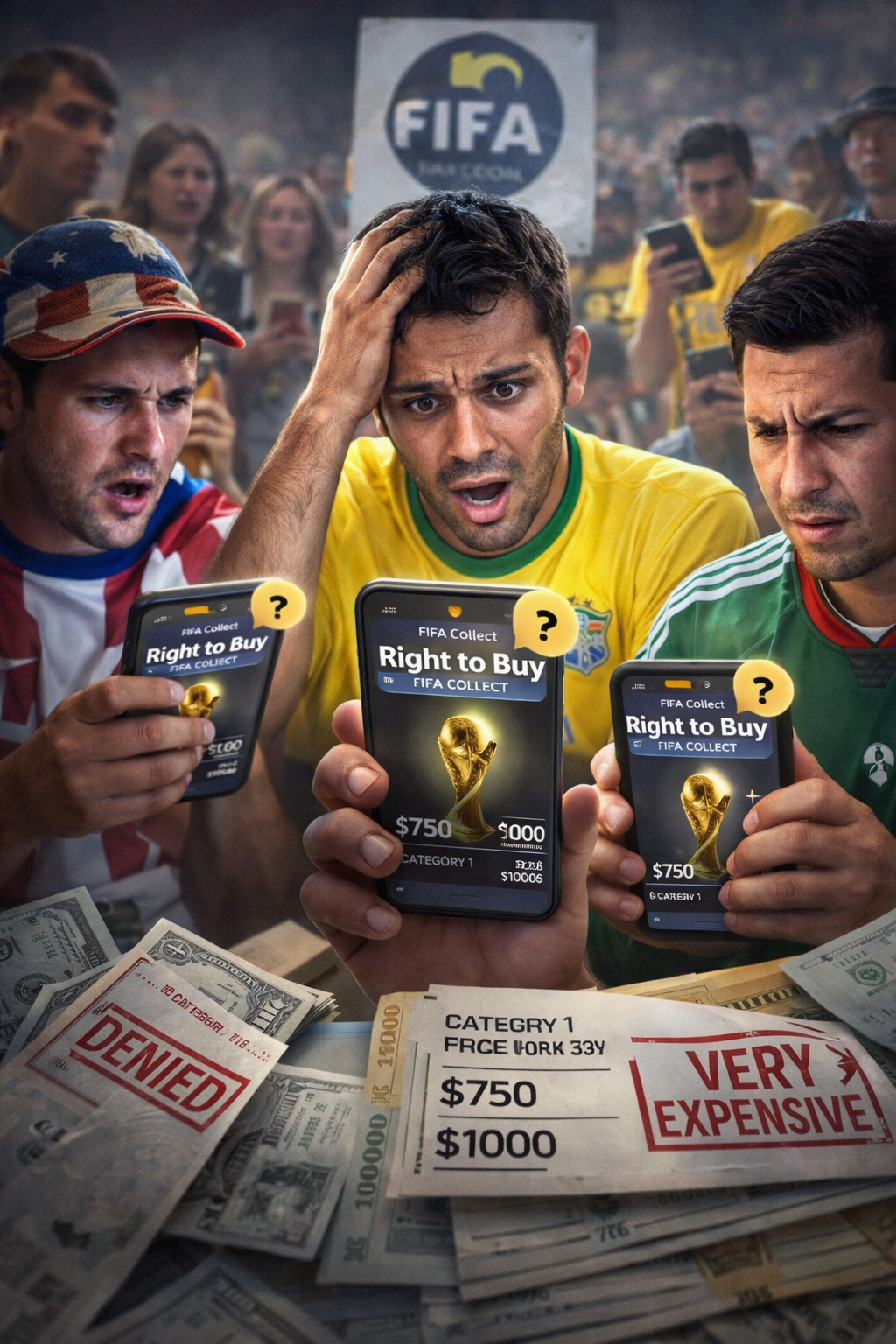
“I feel ripped off,” one fan told The Athletic after realizing the full cost of attending matches he had already financially committed to. Another described the experience more bluntly: “We were taken advantage of.”
The fallout was immediate. A secondary market for RTBs, once active and speculative, began to collapse as holders rushed to offload their tokens—often at a loss. Prices dropped sharply, reflecting a sudden loss of confidence in the product itself.
The episode revealed more than just a miscommunication. It exposed a deeper shift in how access to the World Cup is being structured.
Traditionally, tickets have been the primary point of transaction between fans and the tournament. In this model, access itself has become a commodity—something that can be bought, sold, and speculated upon before a single seat is assigned.
That distinction matters.
Because while dynamic pricing, resale fees, and premium seating tiers can be framed as responses to demand, selling the right to buy introduces a different dynamic entirely—one that resembles financial engineering as much as sports ticketing.
FIFA has defended the approach as part of a broader strategy to innovate and expand its commercial ecosystem. Revenues, it says, are reinvested into football development and global initiatives.
But the lack of transparency—particularly around pricing, allocation, and value—has left many fans questioning whether those innovations are being designed with them in mind.

A Growing Trust Gap
Taken in isolation, the RTB controversy might be dismissed as a niche issue affecting a subset of early buyers.
Placed alongside the broader set of concerns—restricted fan environments, rising transportation costs, dynamic ticket pricing, and opaque resale systems—it becomes something else: a signal.

A signal that the relationship between FIFA and its audience is shifting.
At its core, the World Cup has always depended on trust. Fans travel across continents, invest significant time and money, and commit emotionally to an event that promises more than just matches.
When that trust is tested—whether through unclear pricing, limited access, or unexpected costs—the impact extends beyond any single policy.
It reshapes perception.
And right now, for a growing number of supporters, that perception is hardening into a simple conclusion:
This World Cup may be bigger than ever.
But for many fans, it is becoming harder—and more expensive—to feel like it belongs to them.
Why This Matters for the United States
Nowhere is that tension more pronounced than in the United States, where the 2026 tournament is expected to introduce the World Cup to a broader audience than ever before.
For American fans, the World Cup has often been something experienced abroad—a destination event defined by accessibility, spontaneity, and shared culture.
What they are being offered instead is something more structured:
Limited pregame environments
Controlled access points
Layered costs before, during, and even prior to ticket purchase
In cities like Dallas, where infrastructure and geography already challenge the kind of organic, walkable fan culture seen in previous tournaments, these policies risk compounding the problem.
The stadiums will be full. The matches will be watched. The revenues will be record-breaking.
But the question FIFA may ultimately have to answer is not whether the tournament succeeds.
It is whether the experience still feels like a World Cup.
Profits Up, Costs Shifted Elsewhere
Financially, FIFA is entering 2026 from a position of strength.
The organization expects revenue approaching $13 billion over the current cycle, fueled in part by tournament expansion and commercial growth.
But critics argue that much of the cost burden is being transferred outward.
Host cities are providing tax exemptions on ticket sales. Governments are funding infrastructure, security, and fan operations. Smaller national teams may face additional tax complications due to unresolved agreements.
The result is a familiar critique in global sports governance: a centralized entity capturing the upside while distributing the operational and financial strain across partners.
Operational Warning Signs
Beyond fan-facing policies, there are quieter concerns about execution.
FIFA has reportedly reduced its operating budget by more than $100 million, even as the scale of the tournament expands.
At the same time, host cities have expressed concern about delayed federal funding for security and fan events, raising questions about readiness as deadlines approach.
Even logistical planning has shown signs of adjustment, with FIFA canceling thousands of previously reserved hotel rooms in multiple cities—moves described as routine but interpreted by some as late-stage recalibration.
Individually, these developments may be manageable. Collectively, they reinforce a perception of an event still in flux.
Dallas: A World Cup Built for Television, Not for Fans
In North Texas, where AT&T Stadium will serve as one of the tournament’s flagship venues, the contradictions are not just visible—they are unavoidable.
Dallas will almost certainly be declared a success on paper. Hotels will fill, restaurants will surge, and global attention will arrive in full force. But beneath that surface, the fan experience is shaping up to be one of the most constrained of any modern World Cup host.
This is not Berlin. It is not Rio. It is not even a scaled version of those environments.
The Dallas–Arlington corridor is built around distance, not density. There is no central fan district that naturally flows into the stadium. There are no walkable routes filled with supporters moving together toward kickoff. Instead, fans will be spread across a metroplex, navigating long travel times, limited public transit options, and controlled access points that restrict how and where they can gather.
Getting to the match will not be a shared experience—it will be a logistical exercise.
Once there, the traditional build-up that defines the World Cup—street gatherings, spontaneous chants, cultural exchange—will be largely replaced by structured, ticket-dependent environments. The same policies that are eliminating tailgating and informal gathering elsewhere will be amplified in a region where there are few natural alternatives.
Even the idea of “arriving early and soaking it in” becomes complicated when there is nowhere organic to go.
Inside AT&T Stadium, the product will be flawless. It will be modern, efficient, and visually spectacular. But outside, where the identity of a World Cup is usually formed, the experience risks feeling fragmented, controlled, and—at times—sterile.
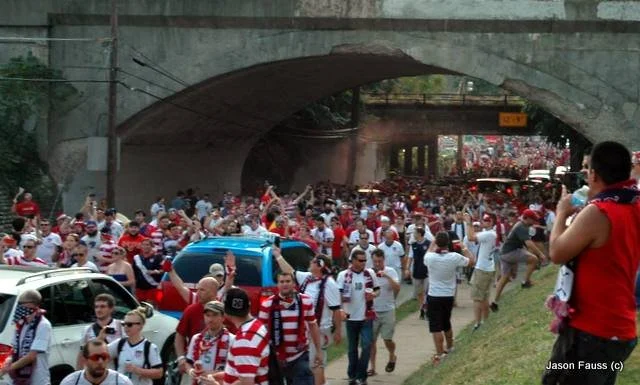
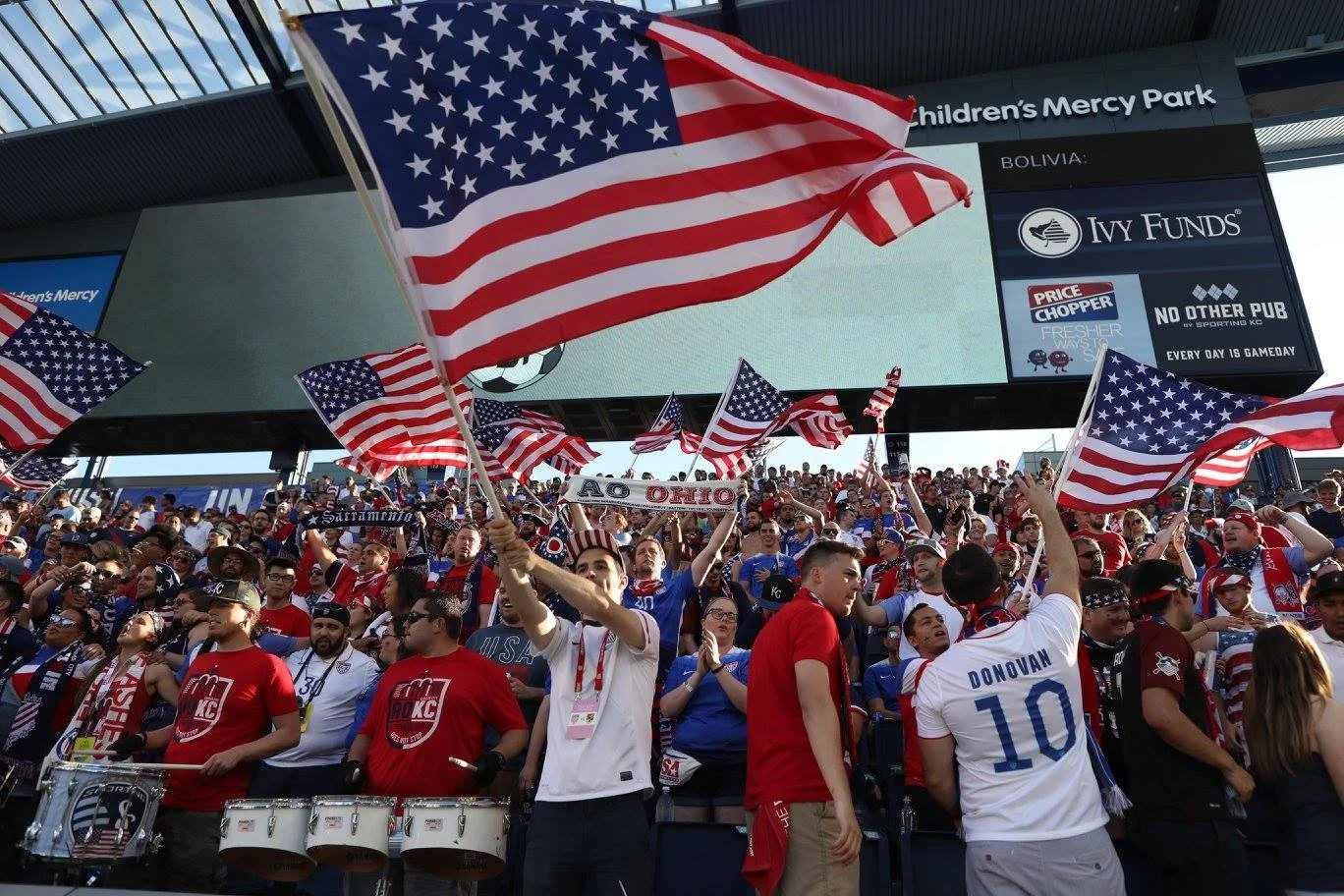
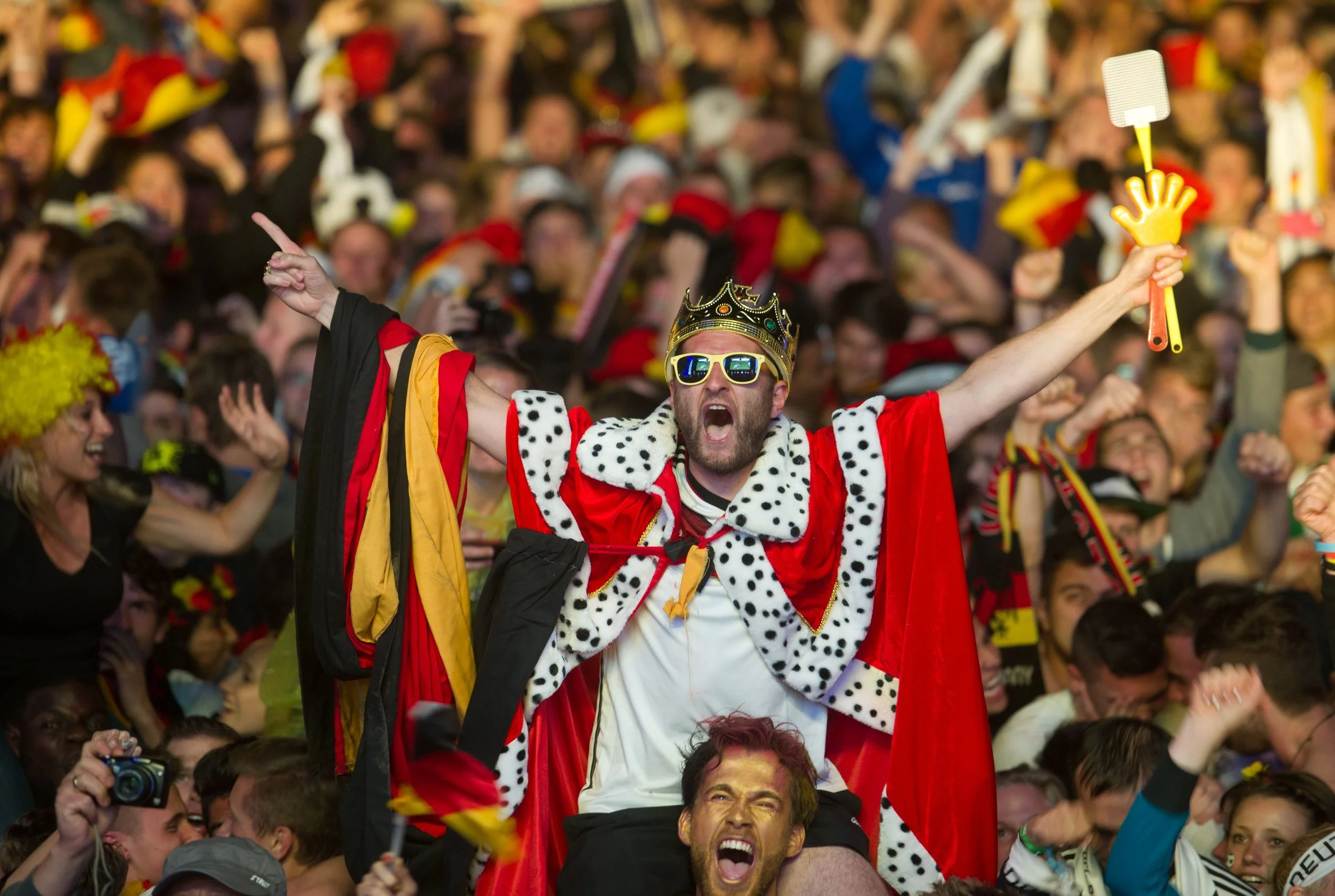
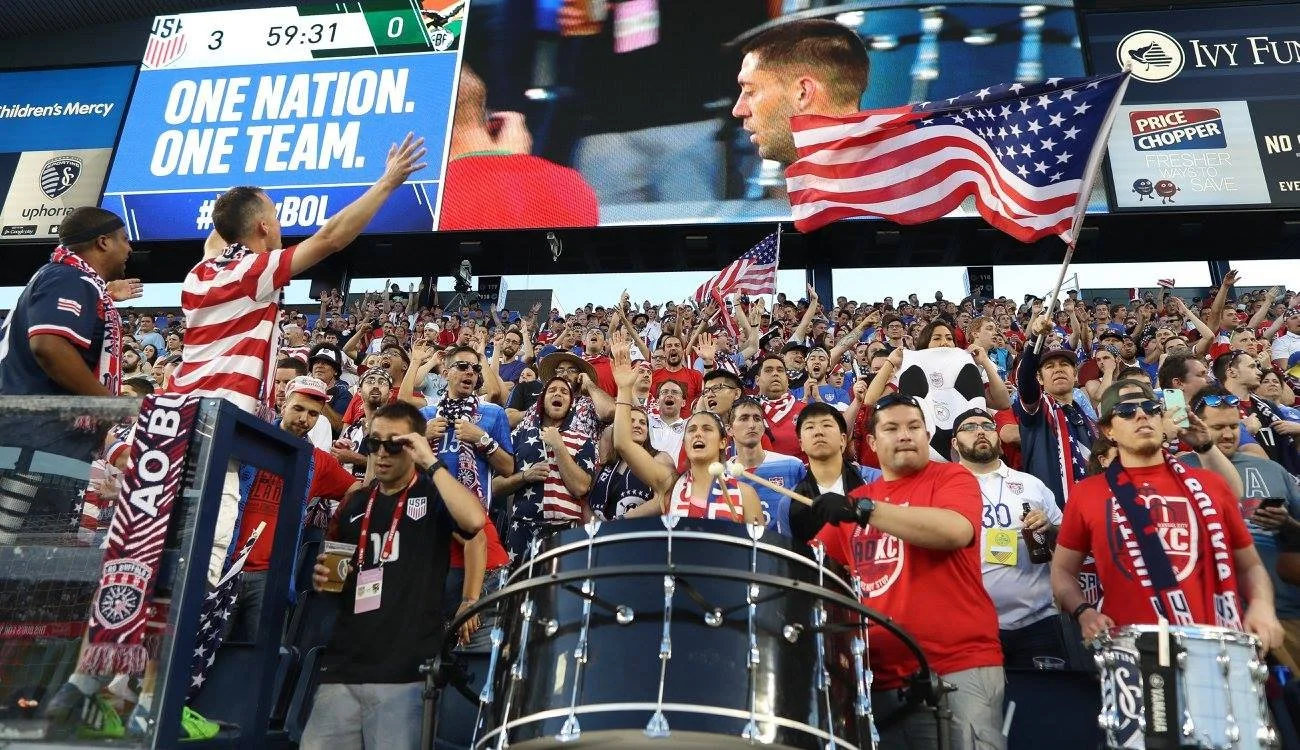
In 2006, in Germany, the experience didn’t begin at the stadium. It started hours earlier—in city squares, on trains, in crowds that formed naturally and moved together. American supporters, Czech supporters, strangers from different countries, all sharing space, songs, and moments that had nothing to do with tickets or access zones.
A young fan, barely 18, found himself in a crowded square, drinking with his father, surrounded by supporters he had never met. Later, on a tram packed with fans, Americans and Czechs sang over each other—not in conflict, but in something closer to celebration. By the time they reached the stadium, the match had already begun in spirit.
On the walk in, a Czech supporter—older, experienced—stopped him, pointed to his scarf, and asked to trade. No transaction. No system. Just a moment.
That is the World Cup at its best.
Unplanned. Uncontrolled. Human.
Now compare that to what awaits in Dallas.
This is not a city built for that kind of experience. It is a region built around highways, not walkways. AT&T Stadium sits in Arlington—roughly 20 miles from downtown Dallas—with no direct rail connection, limited public transportation, and infrastructure that assumes fans arrive in cars, not in crowds.
But even that assumption is being reshaped.
Parking will be restricted. Access will be controlled. Movement will be guided through designated routes, shuttles, and ticket-dependent zones. What should feel like a shared journey toward the stadium instead becomes a series of managed steps: where to go, when to arrive, how to enter.
Traffic will be heavy. Rideshares will surge. Travel times will stretch. And unlike past World Cups, where the journey to the match is part of the experience, in Dallas it risks becoming something to endure.
There is no central gathering point where fans from around the world will naturally mix. No plaza that fills on its own. No organic path that builds energy as kickoff approaches.
And with restrictions on informal gatherings—tailgating, open-air pregame culture—the few spaces that might have created that atmosphere are being replaced with structured, controlled alternatives.
But the World Cup has never been defined by what happens inside the stadium alone.
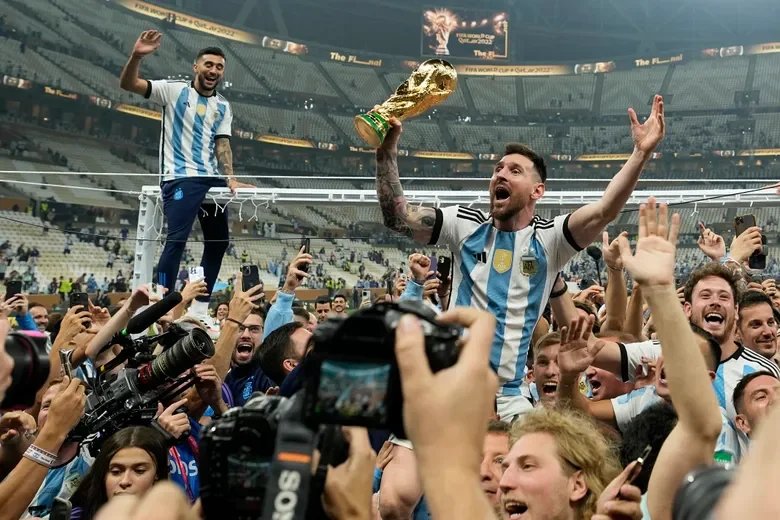
It is defined by everything around it.
And in Dallas, that surrounding experience—so central to what made places like Germany in 2006 unforgettable—risks being reduced to something quieter, more fragmented, and far more controlled.
The matches will be elite.
The production will be flawless.
The numbers will be historic.
But the moments—the ones fans carry for a lifetime—may be harder to find.
Because the difference between a great tournament and a memorable one has never been about the game itself.
It has always been about everything that happens before you even walk through the gates.

What Can Still Change
It is important to separate what is fixed from what remains fluid.
Some elements—dynamic pricing, resale structures, tax arrangements—are embedded in FIFA’s commercial model.
Others—transportation costs, access policies, communication transparency—are still evolving.

Consumer advocates and political figures have already called for adjustments, particularly around pricing clarity and accessibility.
Whether those calls translate into meaningful change remains to be seen.
The Risk Ahead
The 2026 World Cup will almost certainly succeed by traditional measures: revenue, viewership, and global reach.
But success in those categories does not guarantee something harder to quantify—the feeling that defines the tournament.
For many fans, the World Cup is not just about matches. It is about the moments around them: the crowded train, the shared chant, the unexpected connection.

As currently structured, those moments risk becoming harder to find.
And that, more than any pricing model or policy decision, is what is driving the growing concern that something essential is being lost.